

Updated 2 weeks ago
Drip Coffee Solution Supplier: Buy a Working System, Not Separate Parts

ypak.coffee
YPAK PACKAGING GROUP was established in 2011 and formed with 3 companies based on Hongkong, Dongguan and Foshan. We have become one of the largest coffee bag manufacturers in China. We use the best quality WIPF valves from Switzerland to keep your coffee fresh.
Conform to the plastic ban policy imposed to many different countries, we have researched and developed the sustainable packaging bags, such as RECYCLABLE and COMPOSTABLE pouches.
No minimum quantity, no color plates are required with our HP 25K INDIGO DIGITAL PRINTING service.
You are welcome to visit YPAK.

drip coffee solution supplier
Making drip coffee appears to be a very easy process.
Coffee is put into a filter. Filter is placed in a pouch. A bunch of several sachets are in a box.
Once production starts, those three components won't be subject to separate purchases anymore. The size of the filter is an influence on the filling. The size of the sachet can impact on the sealing. The size of the boxes will be determined by the size of the packed sachet. Artwork needs to be consistent throughout them all.
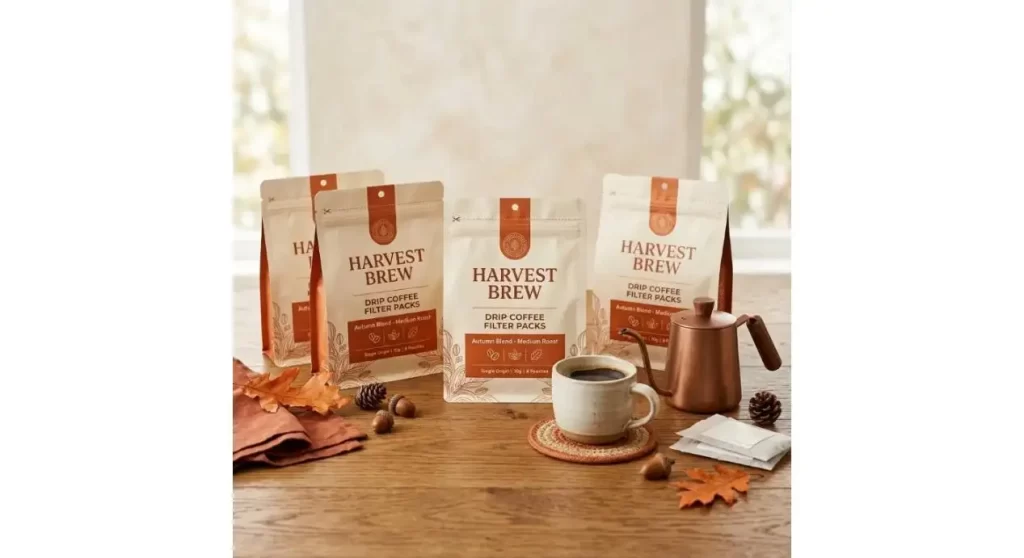
That's why it's important to select a drip coffee solution supplier from the end result, rather than a shopping list.
Begin with the product you are going to sell, the Coffee.
Decide the retail format first, and then ask about the filter's price.
Will the product be sold in individual cups or will the packaged product be opened into single cups? Ten? Is it targeted at specialty retail, hotel rooms, corporate gifting, subscription boxes or travel?
Those decisions have a significant impact on virtually all things downstream.
Currently, YPAK's Coffee Packaging Solution consolidates the drip filters, sachets, boxes, UFO formats, roll film and sealing machine solutions in the same solution category. That's a very helpful procurement way of thinking, starting from the end-product of the SKU and tracing it back to the components.
The more helpful the supplier is, the more they can tell you about where each of these parts will fit in that finished SKU.
While packaging is one aspect of a filter, it is also a component.
During the few minutes that it is in the brewing system, consumers discard the filter after brewing.
It should fit into the cup snugly, not get wet or move around and allow the water to filter through the coffee at an acceptable rate.
Hence, the purchaser should receive a test with their specific grind and planned dosage, not just based on dimensions.
YPAK's Seal Type Drip Coffee Filter Bags demonstrate the filter/cup support/outer packaging as one single-serve package format in conventional hanging-ear format.
The useful sample question is, rather, “Does the filter look correct?”
It is “Is the coffee brewed right in it?”
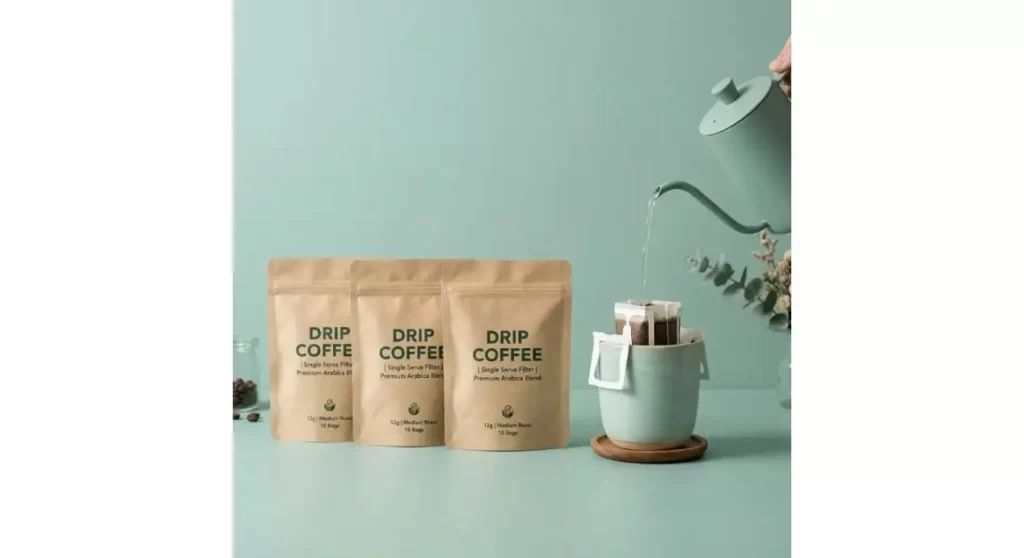
What does your Sachet do?
The filter can be used for brewing.
The outer sachet deals with the storage and presentation as well as machine compatibility.
Mixing those roles results in fuzzy specifications.
The dimensions of the sachets should allow the filter to be completely filled without having to leave a lot of empty space in the container, and the sealing area should fit the packing process used. The artwork, position of the tears and the structure of the material must also be meaningful when the sack is actually stuffed.
That's where a drip coffee solution supplier should get the packaging engineer involved in the filling process, instead of using printed sachets as a standalone graphic product.
| Component | Primary Job |
| Drip Filter | Brewing |
| Outer Sachet | Product protection |
| Retail Box | Grouping & presentation |
| Roll Film | Production supply |
| Artwork | Brand communication |
| Component | Primary Job |
| Drip Filter | Brewing |
Hanging ear or UFO?
The first step towards designing the box is to make decisions before you begin.
Single Serve drip format does not require a unique format of the filter structure.
People are used to the idea of traditional hanging-ear filters; they are understood and simple to use. Alternative formats can build a unique brewing experience, and unique visual identity.
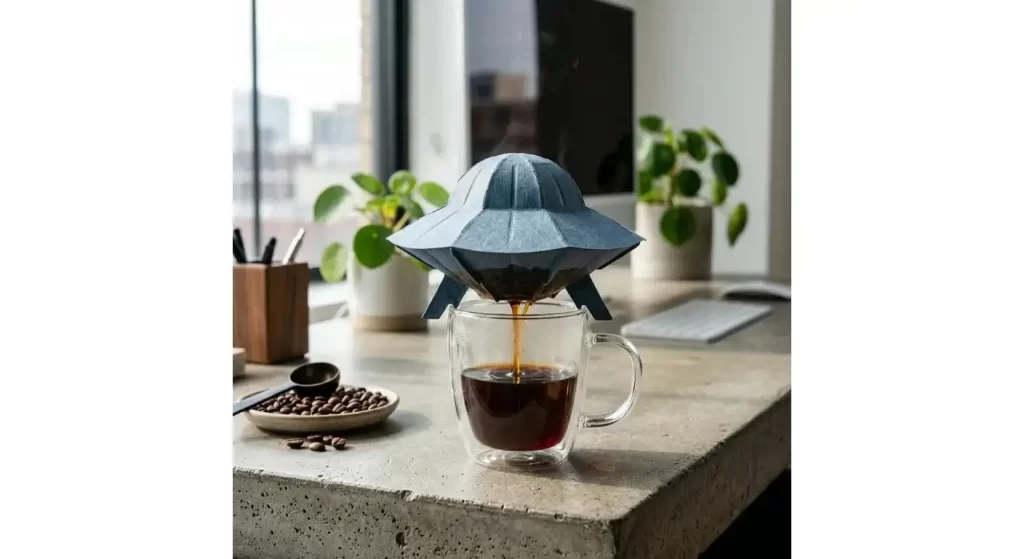
If your brand is interested in going beyond the traditional format, YPAK's UFO Drip Coffee Filter Bags feature a circular support format for single serve drip coffee.
The decision should be made early.
Filter size changes, once the sachet dimension, instructions and box inserts have been approved, can result in a need for an unnecessary redesign of the entire pack.
This is because the retailer's box, or shipping carton, is where the individual parts come together to form a product.
A retailer box is not just a container to hold a number of sachets.
It dictates the placement on a shelf, the instructions for brewing a drink as well as whether a product is in a 5-pack or 10-pack or in a gift pack.
YPAK's Custom Drip Coffee Packaging Set consists of individual drip filters, flat pouches and a printed retail box. This full-service model is especially applicable to private label deals since there is a chance to look at both fit and visual consistency.
Don't base the box on a theoretical size of the sachets.
Create it around the full-sachet.
Ask before Approving Packaging.
One of the questions that is often not asked until the last minute:
Who is going to fill the filter with the coffee and close the filter bag?
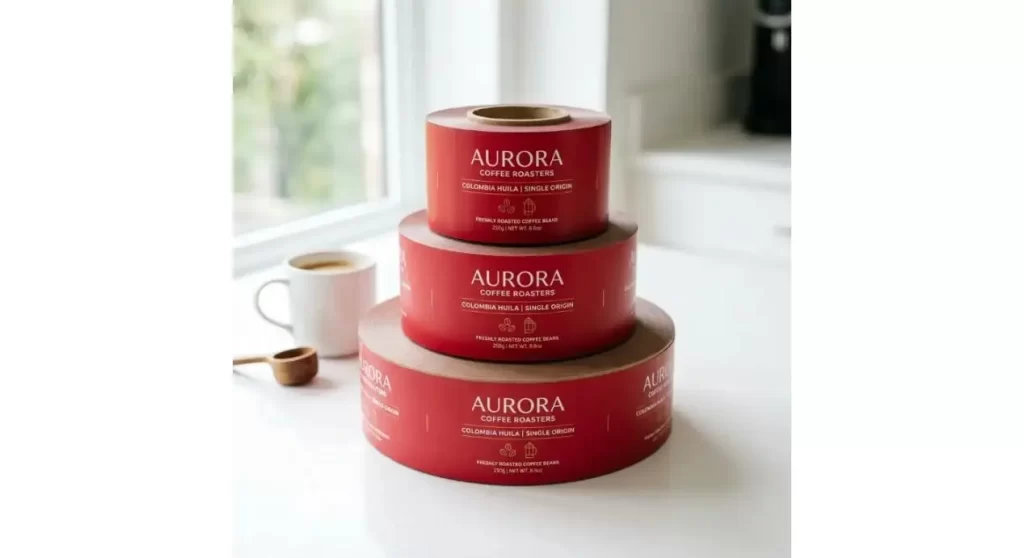
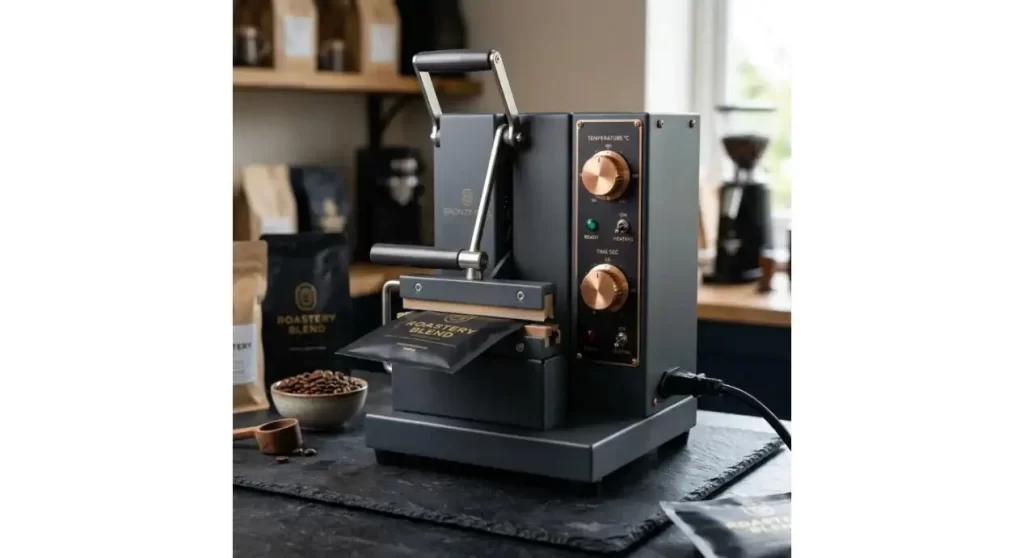
The requirements for a roaster that is manually filled are different than those of a co-packer or automated line. The format of the film, how it is presented with the filters, the sealing size and the production sequence may vary.
A good supplier conversation should then include a discussion of the coffee dose, how to fill it, and the desired return and the buyer's requirement for finished sachets, roll film, or parts for his/her own line.
The packaging must be produced first before the production can be produced.
Ensure that One Brand Language is maintained across Filter, Sachet and Box.
The amount of branding surfaces with drip coffee is higher than with a conventional coffee pouch.
That's helpful, but also potentially easy to do wrong.
There could be a small mark on the ear panel. The sachet may express origin, or roast. The full retail story is in the box.
Those should all be the same surface, but not be an exact repeat of the same information three times.
YPAK's Custom Printed Coffee Boxes offer yet another way to tie in the graphics and additional packaging around each coffee.
A robust system enables customers to see the brand before they've finished reading each word.
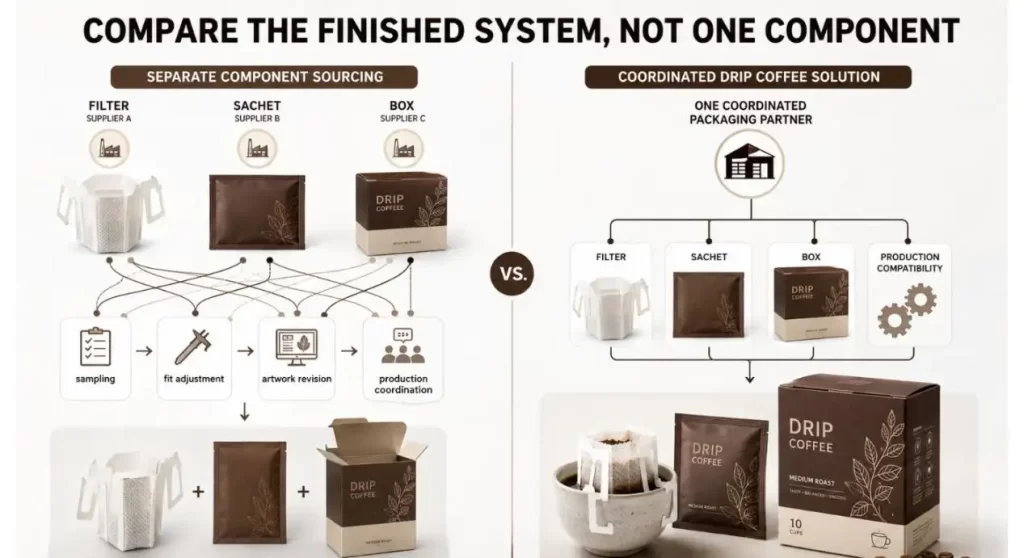
Do not compare Suppliers on the basis of price of the component(s), compare them by Coordination.
It's possible that filter A is less expensive.
Also, Sachet B might be less expensive.
The lowest quotation could be in box C.
That's not enough proof that A+B+C equals the lowest cost finished product.
The comparison can vary rapidly due to more sampling, fit changes, artwork modifications, freight coordination and changes in production.
If evaluating a drip coffee solution supplier, ask who is responsible for ensuring components are compatible – and what has been actually tested together.
The question as to whether or not you would save a fraction on one item is generally more important.
| RFQ Input | Information to Provide |
| Coffee Dose | Grams per individual serving |
| Filter Format | Hanging ear, UFO or other |
| Pack Configuration | 5, 10 or other sachets per box |
| Filling Method | Manual, co-packer or automated |
| Packaging Supply | Finished sachet or roll film |
| Artwork | Number of designs / SKUs |
| Volume | Quantity per SKU and repeat plan |
Conclusion
While the packaging for drip coffee might be small, the project is not.
Filter needs to be brewed correctly. A sachet must not only protect but go through the targeted packing process as well. A box has to fit the completed goods and convey the brand. Production needs to link all 3 without making any unnecessary adjustments.
Well, why the better question isn't, is:
Whose business are drip coffee filters in?
It is:
“Who can provide a drip coffee solution that will enable us to develop a coffee that is repeatable and ready to sell in a retail environment?”
When the first production batch comes through that distinction is very noticeable.
FAQs
Q1. What should the drip coffee solution supplier offer?
The buyers must at least consider the compatibility of filters, individual sachets and retail packaging. Other factors which may need to be coordinated include roll film or filling sealing, depending on the project.
Q2. Should I do the filter first and then design the sachet, or is it possible to design a sachet first, then creating the filter?
Usually, yes. The outer packaging size and packaging process are determined by the dimensions of the filter, the amount of coffee and the shape of the filter.
Q3. So what's the difference between hanging-ear and UFO drip filters?
They employ different constructions to hold the coffee filter over the cup. It will depend on the brewing experience, packaging format and positioning of the brand.
Q4. Is there any possibility of drip coffee packaging being custom-made to fit private label?
Yes. Filters, sachets and retail boxes can be designed as a coordinated branded system instead of three separate designs.
Q5. What do I need to give to get a quote?
Give the dose of coffee, type of filter used, number of sachets needed, number of boxes per pack, number of boxes to be ordered, artwork needs, and the method of filling the boxes.
Written by
ypak.coffee
ypak
YPAK PACKAGING GROUP was established in 2011 and formed with 3 companies based on Hongkong, Dongguan and Foshan. We have become one of the largest coffee bag manufacturers in China. We use the best quality WIPF valves from Switzerland to keep your coffee fresh.
Conform to the plastic ban policy imposed to many different countries, we have researched and developed the sustainable packaging bags, such as RECYCLABLE and COMPOSTABLE pouches.
No minimum quantity, no color plates are required with our HP 25K INDIGO DIGITAL PRINTING service.
You are welcome to visit YPAK.