

Updated 2 weeks ago
Custom Coffee Bags With Logo: Design for the Bag, Not the Mockup
ypak.coffee
YPAK PACKAGING GROUP was established in 2011 and formed with 3 companies based on Hongkong, Dongguan and Foshan. We have become one of the largest coffee bag manufacturers in China. We use the best quality WIPF valves from Switzerland to keep your coffee fresh.
Conform to the plastic ban policy imposed to many different countries, we have researched and developed the sustainable packaging bags, such as RECYCLABLE and COMPOSTABLE pouches.
No minimum quantity, no color plates are required with our HP 25K INDIGO DIGITAL PRINTING service.
You are welcome to visit YPAK.
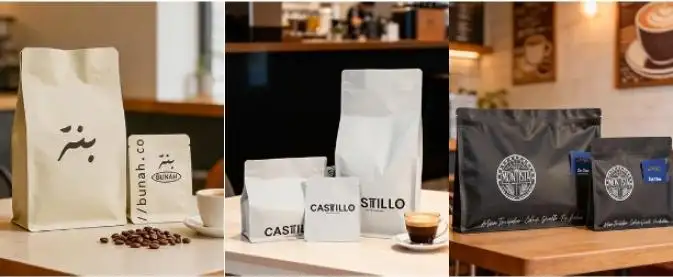
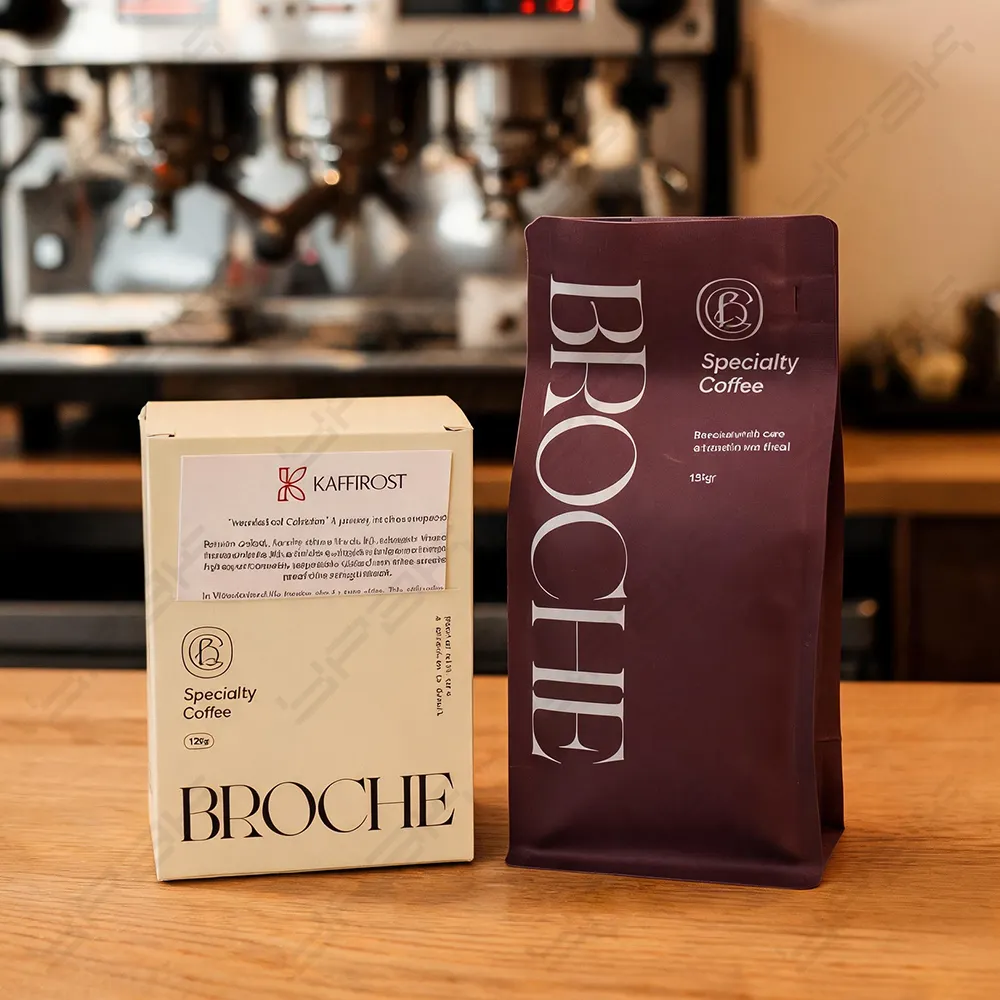
custom coffee bags with logo
A logo may be ideal for a laptop, but not a great fit for the final coffee bag.
This occurs more frequently than is thought.
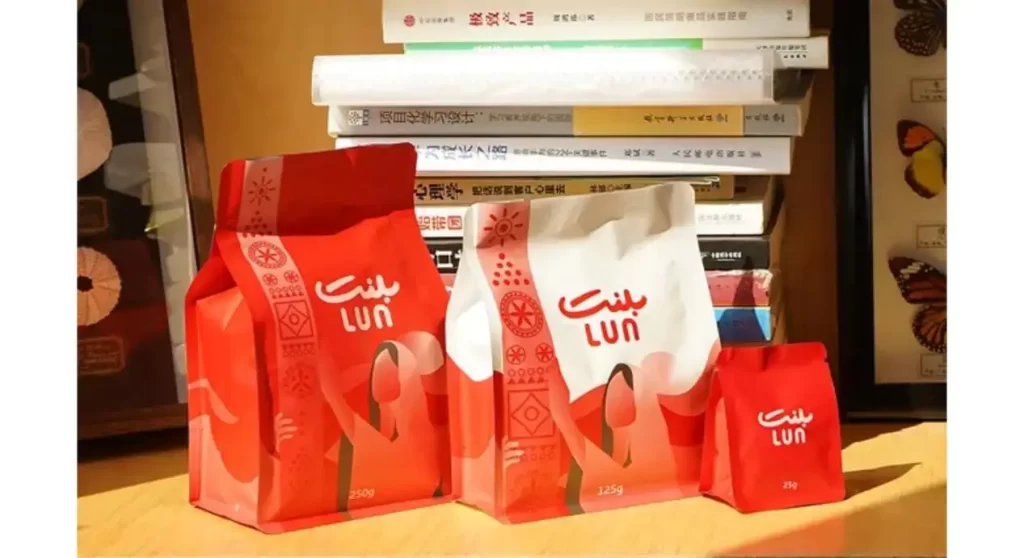
The designer's design area is a flat rectangle. The final package is folded, gusseted, sealed, zipped, may contain a degassing valve and will have 3D surfaces which shift when the coffee is loaded into the package. That lovely logo that landed perfectly on the dieline may now feel above, beside or below the rest of the pack.
When ordering custom coffee bags with logo, then the beneficial question is not just:
Will you be printing our logo?
It is:
“Will this brand identity be able to make the transition from artwork to actual coffee container?”
This is a lot better start.
Use the Bag Before You Finalize the Logo Layout feature
Placing the logo is not the first step to packaging, it is the other way around.
A rectangular bottom bag will have a wide front panel and side panels as well. The bottom gusset is different with a stand up pouch. Side gusset bags form another connection between the front graphics and side information.
Therefore, the ideal time to start the basics of the bag is after deciding the basic bag format, the quantity of fill and the dimensions of the bag.
YPAK's Build Your Coffee Bag process consists of the following stages: bag type, size, quantity, material and finish and add-ons are decided prior to final design submission. This order is good because the physical package outlines the design space.
A single-origin bag (250 g) and a wholesale pack (1 kg) can be of the same brand family, but it is not always the best solution to simply increase the size of an artwork file.
Building around the package in use.
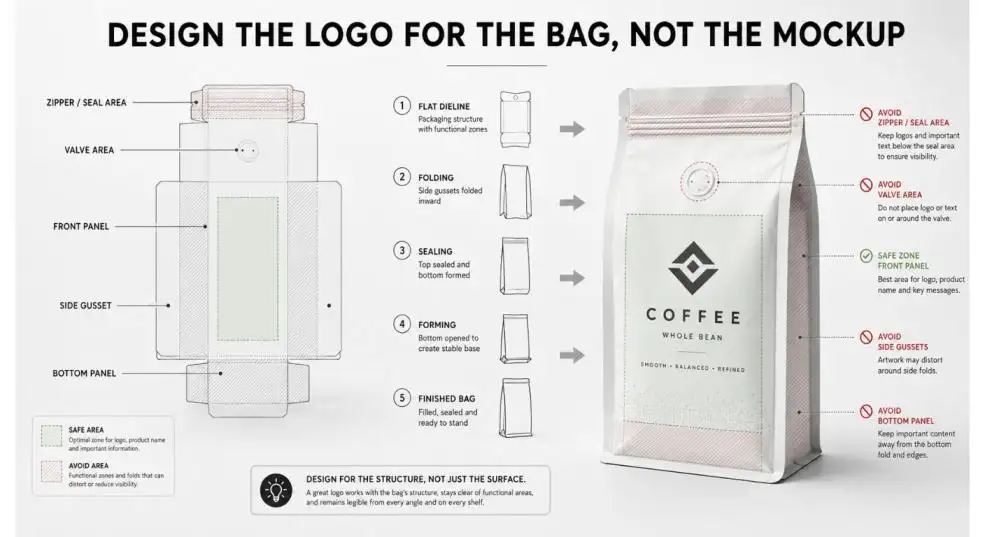
Don't get the logo in the way of the functional hardware
There are parts of the coffee packaging that function.
Zipper takes up space. The top is taken up by a heat seal. Gussets fold. There's someplace on the package where a valve is located. There are tear notches along the edge. Graphics can be competed by windows, card slots or other features.
None of the features listed are problems by themselves.
The issue comes when they have been determined after the artwork.
Check the final dieline for use as a map before approving custom printed coffee bags with logo. Ask questions such as, where does the eye go first when looking at the bag, where does the customer open the bag, etc., whether or not important typography runs across a structural feature.
A large logo isn't necessarily the best.
It requires the proper space.
| Bag Area | Possible Conflict | Artwork Action |
| Upper Front Panel | Zipper / heat seal | Keep the logo below the functional zone |
| Valve Area | Logo or text obstruction | Confirm valve position before final artwork |
| Side Gusset | Folding distortion | Use secondary graphics or flexible information |
| Lower Front Panel | Bottom-gusset transition | Check the filled bag, not only the dieline |
| Bag Edge | Tear notch / sealing tolerance | Keep critical text away from opening areas |
Logo Placement Risk Check (this table is here):
Just as you used to do with musical sketches and cues, you should now follow your SKU rhythm when using the Printing Method
One of the issues with packaging is that if your coffee business has one permanent coffee blend, then you have a different problem than a roaster with new origins each month.
This should be reflected in printing.
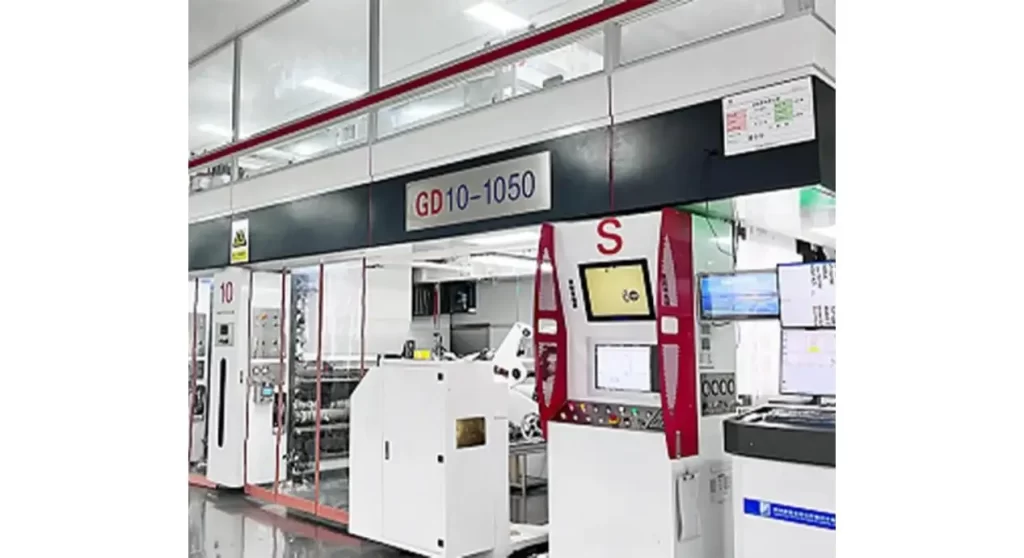
YPAK's Digital Print Coffee Bags solution is targeted toward shorter runs and multiple artworks or for frequent product changes.
If you're looking for repeat production packaging, then another printing method might be more commercially viable.
This does not mean that you should start with:
Which of these printing technologies is superior?
Instead ask:
How many times does our art work change and how many versions do we need to have in stock?
The correct print process is the one that is appropriate for the nature of the coffee business's selling.
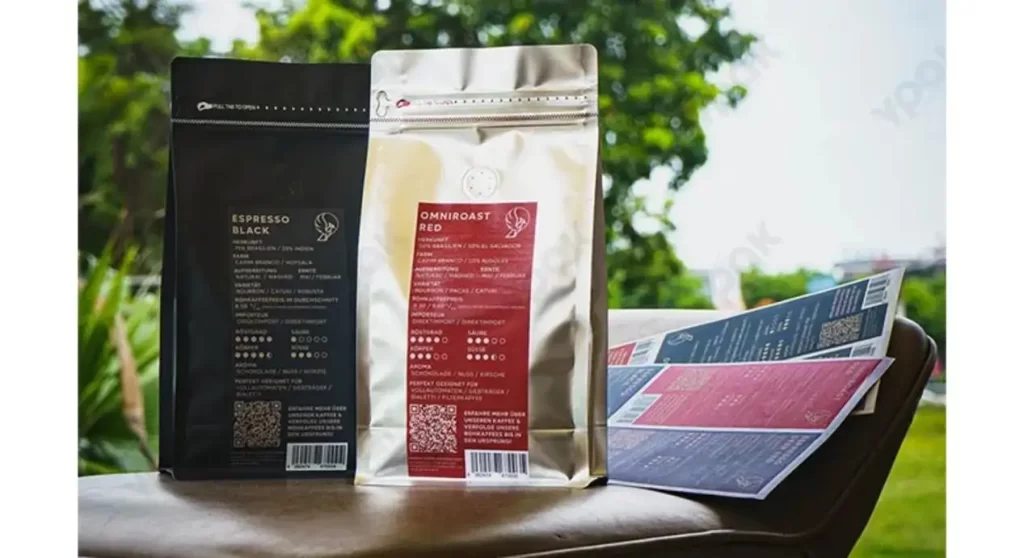
The team at Finish Can comes up with some pretty darn good ideas!
Two bags may contain the same piece of art work and be two different brands.
Mark the same mark on a high gloss surface and rough matte package and the look of the mark will instantly change. With the inclusion of a metallic detail, embossing or a glossy area selected, the hierarchy shifts once more.
Finishes available for YPAK are embossing, glossy, holographic, hot stamping, matte/gloss, metallic and rough matte/soft touch. For instance, its rough-matte coffee bags also feature common elements of coffee packaging, such as zippers and valves, thus creating a tactile experience.
The error is picking out all the effects available, simply because they are top-tier.
Typically, good logo printed coffee bags have one visual concept.
Finish should support this (and not contradict it).

Single origin. Espresso. Decaf. Seasonal release. Subscription exclusive.
Coffee brands tend to get a lot of SKUs.
When each new coffee is introduced in a new visual language, customers need to re-discover the brand every time. With all bags being the same it is hard to be able to tell apart coffees.
There is a practical system that is in the middle.
Maintain a fixed position of the logo, simple typography and structural language. Then design controlled zones, which can be modified, such as a color, an origin illustration, roast details or a removable detail label.
This offers customers a welcoming and something new.
This also makes it more convenient to create packages in the future as the next product is layered on a system and not on an empty artboard.
Brands planning to make a material change at the same time can also take a look at YPAK's Recyclable Coffee Bags options without considering graphic and packaging structure as two independent choices.
Proof the Bag, Not Only the PDF
Coming up with a packaging project always makes it easy to decide when there's one moment:
At the time when someone is able to keep it.
Screen proofs are great for spelling, placement and general color relationships. They can't fully explain how the package looks, where folds will be made after the package has been filled, what the surface feels like in their hands, or if the logo will still have the desired visual impact on the finished pouch.
Sampling, therefore, is more than just a stage for ceremonial approval.
There are different approaches that can be taken and YPAK's Sample Policy differentiates several types of samples such as material-and-size samples, transparent samples, digital printed film, handmade samples and trial production options, as each type of sample addresses a different question.
Before ordering the sample, determine what aspects you want to learn.
That typically results in a more fruitful approval process.
Click on Send a Packaging Brief, not an AI File
A logo file is NOT a full specification of a coffee bag.
There are still a few other factors to consider, such as packaging supplier understanding of the amount of coffee to be packed, would that be a bag style, how many artworks are required, what barrier or sustainability direction would the packaging supplier take, closure requirements, valve needs, finishes, and expected order volume.
If they're not clear, the artwork can go forward without the physical package.
The YPAK's Coffee Packaging Design Service offers a similar definition of packaging design as going beyond the graphics to the selection of materials, pre-press preparation, and production coordination.
That's a good attitude for the purchaser.
Minimize redesign later, the sooner the requirements are met.
To fill out the Custom Coffee Bag Request for Quote form, please refer to the table below.
| RFQ Input | What to Confirm |
| Coffee Fill Weight | Target grams / ounces per bag |
| Bag Format | Flat bottom, stand-up, side gusset or other |
| Artwork Count | Number of blends, origins or SKUs |
| Material Direction | Barrier, recyclable or other requirement |
| Functional Features | Valve, zipper, window, tear notch |
| Surface Finish | Matte, soft touch, hot stamp, embossing |
| Order Plan | Quantity per design and repeat frequency |
Conclusion
The logo is relevant.
But that's just one's part of the bag.
Good custom coffee bags with logo are the outcome of the branding and aligning of the structure of the coffee bag, the printing process, the use of functional hardware, the material and how the coffee range will develop.
That alters the sourcing situation.
Instead of asking:
Can you design a bag with our logo on it?
Ask:
“Which package will make this logo most likely to be successful in production, on the shelf and over our next few coffees?”
Now that the question above is answered, the artwork has a place to go.
FAQs
Q1. May I use my logo in the various styles of coffee bags?
Yes. The artwork should be customised to the specific print and fold and seal and utilisations of each bag – it is not just a resized version from one format to another.
Q2. Which bag style will have the most prominent place for a logo on the cup?
Both flat bottom and stand-up can offer very effective front facing brands areas. The size of the pack, how the pack is displayed on the shelf and the information required on the pack is the determining factor when deciding the better option.
Q3. Should the position of the valve be determined in advance of the artwork?
Ideally, yes. It is important to identify the valve area, zipper area, sealing area and opening area early on, as these elements can be crucial to an important branding.
Q4. Can digital printing be used for custom coffee bags that have a logo?
It can be particularly effective when managing SKU changeovers, seasonal or low volume production. If a program is established and is printing a lot, it might be worth considering other printing methods.
Q5. Do you need to take samples before ordering custom printed coffee bags?
Samples can be used in conjunction with a screen proof to ensure that a new structure, material or finish has tested all aspects, such as proportion, folding, feel and artwork appearance.
Written by
ypak.coffee
ypak
YPAK PACKAGING GROUP was established in 2011 and formed with 3 companies based on Hongkong, Dongguan and Foshan. We have become one of the largest coffee bag manufacturers in China. We use the best quality WIPF valves from Switzerland to keep your coffee fresh.
Conform to the plastic ban policy imposed to many different countries, we have researched and developed the sustainable packaging bags, such as RECYCLABLE and COMPOSTABLE pouches.
No minimum quantity, no color plates are required with our HP 25K INDIGO DIGITAL PRINTING service.
You are welcome to visit YPAK.