

Updated 7 months ago
How To Choose Drip Coffee Packaging Solutions: Pouch, Filter, Box (2026)

ypak.coffee
YPAK PACKAGING GROUP was established in 2011 and formed with 3 companies based on Hongkong, Dongguan and Foshan. We have become one of the largest coffee bag manufacturers in China. We use the best quality WIPF valves from Switzerland to keep your coffee fresh.
Conform to the plastic ban policy imposed to many different countries, we have researched and developed the sustainable packaging bags, such as RECYCLABLE and COMPOSTABLE pouches.
No minimum quantity, no color plates are required with our HP 25K INDIGO DIGITAL PRINTING service.
You are welcome to visit YPAK.
drip coffee packaging solutions
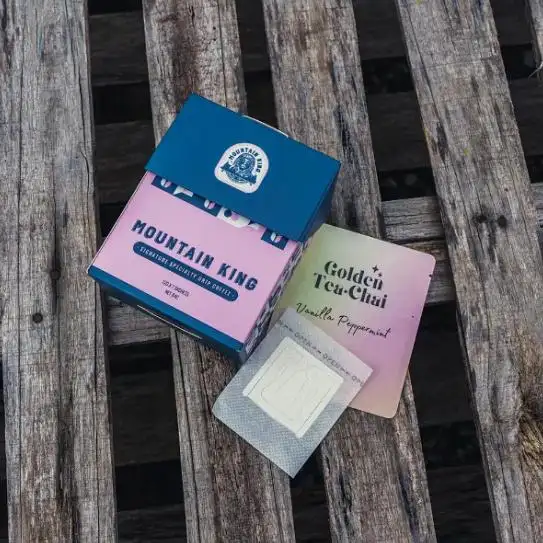
Drip coffee packaging solutions in 2026 are no longer "just a bag"—they are a complete system that protects aroma, speeds up packing, and makes single-serve products look premium on shelf. At YPAK, we build drip coffee filter sachet packaging as a three-part set: a high-barrier pouch, a food-grade hanging-ear filter, and a retail-ready outer box. If you are new to single-serve drip products, this guide will help you choose each part in the right order.
1) Start With the Goal: Freshness, Efficiency, or Premium Display
Before selecting materials or sizes, define what "success" means for your SKU. Different markets and channels reward different priorities.
For most roasters and private-label teams, the goal is a balanced one: freshness + production fit + brand presentation. That is why drip coffee packaging solutions are usually designed as a system, not as independent components.
✅ Retail shelf focus: stronger visuals, premium printing, stable box display
✅ High-volume focus: rollstock that runs smoothly on VFFS/HFFS lines
✅ Hotel/gifting focus: easy-open sachets and a "giftable" unboxing feel
At YPAK, we typically plan from the channel backward, so your packaging choices support how the product is actually sold.
2) Choose the Pouch First: Barrier, Structure, and Hand Feel
The pouch is your main freshness shield. Oxygen and moisture are the two enemies of aroma. That is why multi-layer laminated films are widely used in drip coffee packaging solutions to slow oxidation and moisture uptake.
YPAK commonly supports structures such as:
• MOPP + VMPET + PE for strong barrier and stable performance
• Kraft Paper + VMPET + PE for a natural look with added protection
• PE + EVOHPE when you want a clear "modern" feel with barrier support
• Kraft Paper + PLA for eco-positioning in suitable use cases
• PCR options for brands with recycled-content targets
A practical starting point is 60–120 μm thickness. In many projects, this range balances barrier performance, tear feel, and sealing reliability. It also helps reduce burst risk during shipping when seals are designed correctly.
✅ If your brand sells "freshness" as a promise, prioritize higher barrier films
✅ If your shelf is competitive, choose finishes that elevate perception
✅ If you ship long distances, stability and seal strength matter even more
3) Match the Sachet Format to Your Packing Line
Many teams pick a beautiful pouch first, then discover it does not run well on their equipment. A smoother workflow is to confirm your production approach early.
YPAK supports two main supply forms for drip coffee packaging solutions:
• Pre-Made Pouches
Ideal for small to medium batches and multiple SKUs. They are ready to use and help teams launch faster.
• Printed Rollstock
Better for automated filling and sealing. It is often preferred when you need scale and tighter unit economics. Roll properties such as tension and coefficient of friction can be tuned so film feeds more predictably on your line.
✅ Pre-made pouches: faster SKU testing, flexible MOQ strategy
✅ Rollstock: better for long runs, packing efficiency, lower labor pressure
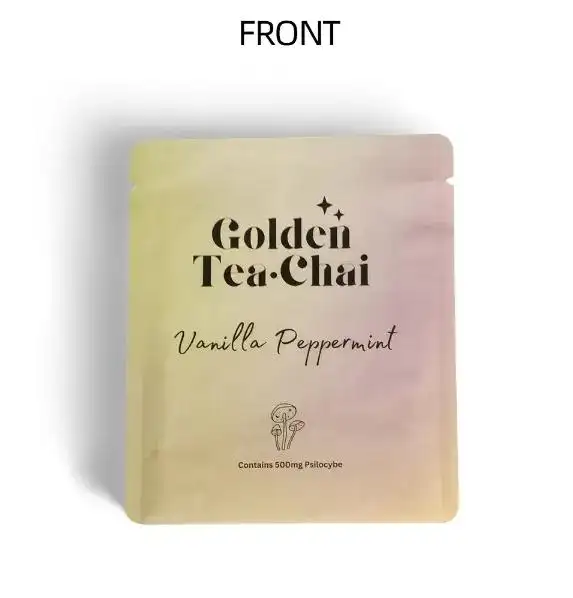
If you are using common 7–12 g hanging-ear filter packs, your sachet dimensions should be optimized to the filter size and coffee dose. Typical sachet sizes include 90 × 110 mm and 95 × 120 mm, then adjusted to your product geometry and desired headspace.
4) Get the Filter Right: Stability on the Cup and Extraction Quality
The filter is not only a "holder." It directly affects brewing experience. A stable hanging ear and a well-made filter bag reduce spills, improve extraction consistency, and lower complaint rates.
Our food-grade drip filter with hanging ears is designed to sit stable on most cup types. For brands expanding beyond coffee, the same system can work well for tea-chai blends, herbal drinks, and functional beverages—especially when you want a clean single-serve format.
When evaluating filters, focus on practical outcomes:
✅ Does it stay stable on different cup rims?
✅ Does it support smooth extraction without collapsing?
✅ Is the material food-grade with predictable performance batch to batch?
In short, better filter structure reduces user friction. That protects repeat purchase, which is often more valuable than saving a fraction of a cent on components.
5) Build the "Retail Box" Strategy: Branding, Protection, and SKU Clarity
A premium outer box is not only for looks. It improves shelf organization, reduces sachet damage, and makes your product easier to merchandise.
YPAK supports OEM customization for:
• Box size and layout (for retail, hotel, gifting, or subscription kits)
• Branding and Pantone color management
• Premium print effects (gravure printing up to 10 colors, matte/gloss lamination, spot matte, hot stamping, and more)
✅ Better box design can increase perceived value at the same coffee dose
✅ Clear SKU structure reduces shopper confusion and improves conversion
✅ Box protection helps keep sachets flat and presentable in transit
For new brands, a clear box hierarchy (roast level, origin, flavor notes, caffeine claim) can reduce decision fatigue at shelf.
6) Plan Ordering, Lead Times, and a Smooth Launch With YPAK
Packaging should support your launch timeline, not delay it. For most drip coffee packaging solutions, minimum order quantity depends on printing and process, but a common range is 5,000–10,000 pouches (or equivalent roll length).
Typical timeline guidance:
• Sampling lead time: 3–7 days
• Mass production lead time: 15–25 days after artwork and materials are confirmed
Beyond manufacturing, the "hidden" value is technical support. YPAK can assist with structural recommendations, prototyping, testing, equipment parameter tuning, and color management—so your packaging looks right and runs right.
CTA (Call-To-Action)
If you are planning a 2026 single-serve launch, tell YPAK your target market (retail, hotel, gifting, or subscription), your coffee dose (for example, 7–12 g), and whether you need pre-made pouches or rollstock. We will recommend a pouch structure, sachet size, filter configuration, and box concept that fits your channel—so you can go to market with fewer surprises and a stronger shelf story.
Written by
ypak.coffee
ypak
YPAK PACKAGING GROUP was established in 2011 and formed with 3 companies based on Hongkong, Dongguan and Foshan. We have become one of the largest coffee bag manufacturers in China. We use the best quality WIPF valves from Switzerland to keep your coffee fresh.
Conform to the plastic ban policy imposed to many different countries, we have researched and developed the sustainable packaging bags, such as RECYCLABLE and COMPOSTABLE pouches.
No minimum quantity, no color plates are required with our HP 25K INDIGO DIGITAL PRINTING service.
You are welcome to visit YPAK.
Related Articles
Two Gates on the Road to the EU: Reduction by Design and the Documentation Chain for Coffee Packaging

Recyclable Coffee Bags: How to Protect Freshness Without Compromising Sustainability

Your Brand, Perfectly Packaged: The YPAK Guide to Selecting a High-Quality Custom Coffee Bag