

Updated 7 months ago
2026 Coffee Pouch Bags: What Makes Them Truly Fresh?

ypak.coffee
YPAK PACKAGING GROUP was established in 2011 and formed with 3 companies based on Hongkong, Dongguan and Foshan. We have become one of the largest coffee bag manufacturers in China. We use the best quality WIPF valves from Switzerland to keep your coffee fresh.
Conform to the plastic ban policy imposed to many different countries, we have researched and developed the sustainable packaging bags, such as RECYCLABLE and COMPOSTABLE pouches.
No minimum quantity, no color plates are required with our HP 25K INDIGO DIGITAL PRINTING service.
You are welcome to visit YPAK.
coffee pouch bags
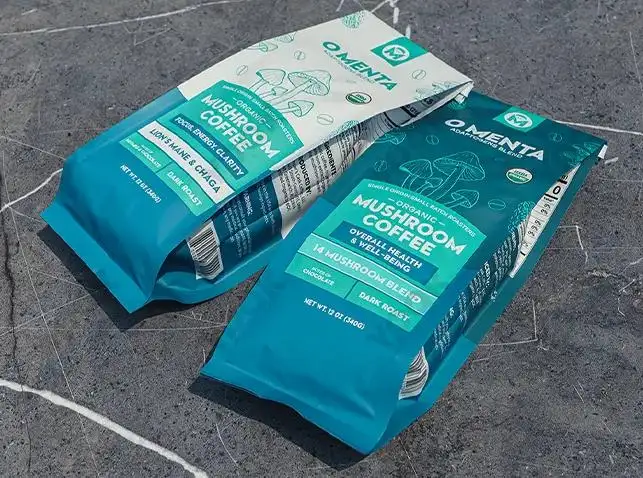
Coffee pouch bags are only as “fresh” as the details you choose—materials, seals, and one small component that many brands overlook: the valve. In 2026, coffee buyers judge freshness fast. They smell the aroma, check roast dates, and expect the bag to keep that flavor stable after the first opening. At YPAK, we build packaging to protect what roasters work hard to create, and we treat freshness as a system, not a slogan.
What Actually Damages Coffee in Transit and on the Shelf
Coffee loses quality for predictable reasons. The problem is not mysterious. It is chemistry and storage pressure happening at scale.
Oxygen is the biggest driver of staling. It reacts with coffee oils and aromatic compounds. Over time, those “bright” notes become flatter, and the cup can taste dull or papery. Moisture is another enemy. It can soften beans, disrupt grind consistency, and speed up flavor breakdown. Light and heat add extra stress, especially when coffee sits on shelves under strong retail lighting or in warm warehouses.
This is why evaluating coffee pouch bags should start with protection—not decoration. Great design helps you sell, but barrier performance helps you keep customers.
A practical approach is to think in layers:
• The film structure slows oxygen and moisture transfer.
• Strong sealing prevents tiny leak paths.
• The right format supports stable storage and handling.
• For whole beans, a one-way valve manages CO₂ without inviting outside air.
When one layer is weak, freshness “leaks” away even if everything else looks excellent.
Why the Valve Is a Freshness Tool, Not a Marketing Detail
Roasted coffee releases CO₂ after roasting. This is normal. If the gas cannot escape, the bag can swell, putting stress on seals and affecting transport stability. If gas escapes in an uncontrolled way, or if a poor valve allows air exchange, oxygen can enter and shorten shelf life.
That is why the one-way degassing valve is a functional part of freshness—especially for whole-bean coffee. At YPAK, we use premium WIPF valves imported from Switzerland to support maximum aroma retention and consistent packaging performance. For many brands, upgrading the valve is one of the simplest ways to reduce “freshness complaints” and protect the unboxing moment customers remember.
What a well-selected valve helps you achieve:
✅ Controlled CO₂ release after packaging, reducing swelling risk
✅ Better aroma protection by limiting uncontrolled air exchange
✅ More consistent shelf appearance and safer transport handling
In simple terms: the valve helps your bag breathe out without breathing in.
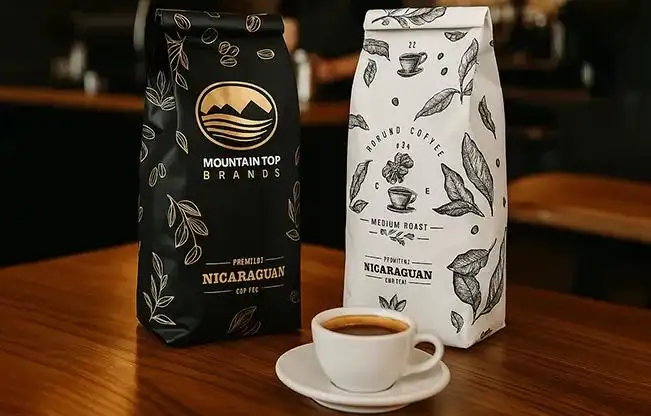
Choosing Coffee Pouch Bags By Shelf Strategy and Customer Habits
Not every coffee needs the same packaging format. The right choice depends on your sales channel, your pack size, and how your customers use the product at home. Below are practical starting points based on formats we manufacture at YPAK. These are not “one-size-fits-all” rules, but they help new brands make confident first decisions.
- Flat Bottom Coffee Bags: Built for Premium Display and Brand Storytelling
Flat bottom coffee bags are one of the most popular retail formats for 2026, because they stand steadily with a self-standing flat base. That stable posture matters more than it sounds. It keeps your product facing forward, reduces shelf mess, and improves the chance that shoppers notice your brand.
This format also offers five printable surfaces—front, back, bottom, and both side gussets. That means you can educate without crowding: origin notes, roast guidance, brew ratios, QR codes, and your brand story can all live on the pack in a clean way.
Common YPAK sizes include:
• Mini 20–25g (60×80×50mm)
• 8oz/200–250g (110×190×80mm)
• 16oz/1lb/500g (135×265×75mm)
• 5lb/2.2kgs (185×390×130mm)
If your goal is a premium “shelf block” that looks structured and modern, flat bottom coffee pouch bags are often the most direct solution. They can also be made with sustainable options such as compostable and recyclable materials, which supports brands that want a clearer sustainability story.
- Stand Up Pouch: A Practical Balance Of Cost, Convenience, and Familiarity
Stand up pouch coffee pouch bags are classic for a reason. They look familiar, they stand upright, and they help new brands manage costs while still offering a solid user experience. Many consumers also like the reusability. If the bag is easy to store after opening, you reduce waste in the customer's routine and make the product feel more thoughtful.
Common sizes include:
• 4oz/125–150g (130×206×80mm)
• 12oz/340g (170×266×90mm)
• 2lb/1kg (230×340×120mm)
• 5lb/2.2kgs (300×480×155mm)
If you are building multiple SKUs and need a dependable baseline format, stand up pouch is often the safest start.
When Volume and Logistics Drive the Decision: Gussets and Structured Seals
Some brands prioritize larger packs, wholesale supply, or commercial use. In these cases, packaging should reduce logistics friction while still protecting flavor.
✅ Side Gusset Coffee Bags are a classic style that expands internal volume, making it ideal for large-capacity formats such as 5LB and 10LB. Ship more, store better: this shape uses space effectively to minimize shipping waste. Side gusset formats deliver strong barriers to light, oxygen, and moisture. A tin-tie closure brings everyday convenience to cafés and offices.
Typical sizes include:
• 8oz/200–250g (80×260×60mm)
• 5lb/2.2kgs (175×490×120mm)
✅ Quad Seal Coffee Bags preserve the silhouette while four-corner seals add structure and elegance. If you want a classic look with sharper edges and stronger shelf posture, quad seal is a strong option across common sizes (4oz, 8oz, 12oz, 16oz, 2lb, 5lb).
For brands selling into both retail and foodservice, these formats can deliver a “serious” feel while supporting practical handling.
Special Use Formats: Sampling, Cold Brew, and High-Speed Packing
Freshness also means matching the bag to the job. Expand with confidence by adding sample packs, cold brew formats, and machine-ready options—quality stays consistent.
• Flat Pouch (Three-Side Seal):
Designed for sample sachets, drip packs, and gift bundles. Efficient to run and typically lower cost. The flat surface offers wide print space to convey clear info in small sizes. Common options: Mini 20–25g (100×120mm) and 4oz/125–150g (135×135mm).
• Spout Pouches:
Portable cold brew you can pour cleanly. The spout supports controlled servings and reduces waste. Tight seals help keep oxygen and moisture out to protect flavor.
• Rollstock Film:
For automated packaging, roll film enables one-step fill-and-seal, cutting labor and costs. Pull film on demand to avoid excess waste vs pre-made-only models. Custom print keeps branding sharp and consistent.
Freshness Checklist and Next Steps for 2026
New to pouch sourcing? Start with the essentials. Then adapt based on your channels and what customers tell you.
✅ Choose barrier structures that match your distribution timeline and storage conditions
✅ Select a format that fits your shelf strategy and brand positioning
✅ Use a one-way degassing valve for whole beans to manage CO₂ and protect aroma
✅ Choose sizes that match sales velocity, so opened coffee is consumed while still vibrant
✅ Use print surfaces to educate customers, not only to decorate the bag
If you want to move faster with fewer sourcing risks, YPAK can recommend a packaging format, size set, and valve option that matches your product type and sales channel. Contact YPAK to request a sample pack or a size recommendation list, and you are also welcome to visit YPAK to review materials, formats, and printing possibilities in person.
Written by
ypak.coffee
ypak
YPAK PACKAGING GROUP was established in 2011 and formed with 3 companies based on Hongkong, Dongguan and Foshan. We have become one of the largest coffee bag manufacturers in China. We use the best quality WIPF valves from Switzerland to keep your coffee fresh.
Conform to the plastic ban policy imposed to many different countries, we have researched and developed the sustainable packaging bags, such as RECYCLABLE and COMPOSTABLE pouches.
No minimum quantity, no color plates are required with our HP 25K INDIGO DIGITAL PRINTING service.
You are welcome to visit YPAK.
Related Articles
Two Gates on the Road to the EU: Reduction by Design and the Documentation Chain for Coffee Packaging

Recyclable Coffee Bags: How to Protect Freshness Without Compromising Sustainability

Your Brand, Perfectly Packaged: The YPAK Guide to Selecting a High-Quality Custom Coffee Bag