

Updated 7 months ago
Custom Coffee Bags With Lanyard (2026): Design Tips for Shelf Impact

ypak.coffee
YPAK PACKAGING GROUP was established in 2011 and formed with 3 companies based on Hongkong, Dongguan and Foshan. We have become one of the largest coffee bag manufacturers in China. We use the best quality WIPF valves from Switzerland to keep your coffee fresh.
Conform to the plastic ban policy imposed to many different countries, we have researched and developed the sustainable packaging bags, such as RECYCLABLE and COMPOSTABLE pouches.
No minimum quantity, no color plates are required with our HP 25K INDIGO DIGITAL PRINTING service.
You are welcome to visit YPAK.
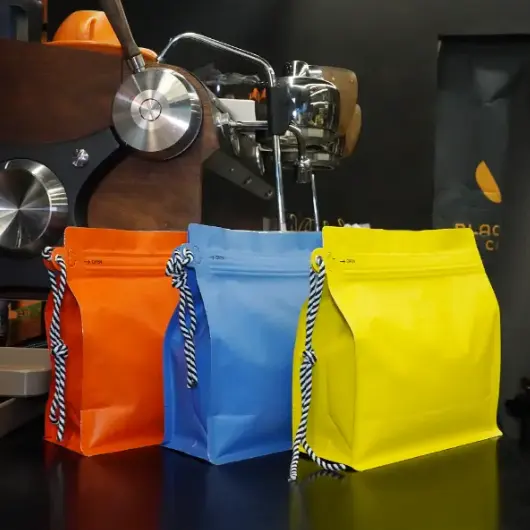
Custom coffee bags with lanyard are no longer a niche format in 2026. They have become a practical, high-volume packaging choice for bulk beans and ground coffee—especially when brands need both operational strength and a clean, retail-ready look. At YPAK, we treat the lanyard as more than a strap. Used correctly, it becomes a functional handling point and a visual signal of durability, which can influence how buyers judge quality in a few seconds. Bulk packaging has one constant challenge: it must work hard in the back-of-house, yet still represent the brand in front-of-house. That means stability, reliable re-closing, gas management, and handling convenience. When those elements come together, the bag stops being “just packaging” and starts acting like a tool that protects freshness, speeds up workflow, and keeps displays tidy. Why This Format Wins in 2026 Bulk Coffee Packaging Bulk buyers are practical. They want fewer problems and faster handling. But even in wholesale, decisions are still made quickly. A bag that stands upright and looks consistent signals professionalism. A bag that slumps, wrinkles, or feels awkward to carry signals risk. The flat-bottom structure is one reason this format keeps gaining traction. It provides better stability on shelves, in storage rooms, and in roasting facilities where bags may be moved daily. The second reason is the reinforced side lanyard. When a bag is heavy, teams need a predictable grip point. The lanyard reduces strain during lifting, supports hanging when space is limited, and makes movement safer and cleaner. For roasters and distributors, the payoff is operational. Fewer drops. Less slipping during transport. Less need for secondary boxes simply to make the product “carryable.” For private label bulk suppliers, the payoff is commercial. When a bulk pack looks stable and well-built, buyers assume the coffee inside is managed with the same discipline—an advantage that supports repeat orders. ✅ Stable Flat-Bottom Structure: Helps bags stay upright for cleaner storage and more readable displays ✅ Reinforced Side Lanyard: Makes lifting and hanging easier when contents are heavy The Core Structure That Creates Shelf Impact Shelf impact does not only come from graphics. It starts with a package that behaves predictably. Flat-bottom bags keep a front-facing posture, which matters in environments where products are stacked or lined up closely. When the package remains upright, the brand mark stays visible, product names stay readable, and inventory looks organized rather than messy. At YPAK, we advise bulk brands to treat the front panel like a simple signboard. If too many messages compete, nothing stands out. A strong shelf layout usually has three parts: one brand anchor, one product identifier, and one short trust cue (for example, roast profile, origin style, or storage guidance). A stable flat-bottom foundation lets those elements do their job without being distorted by wrinkles or collapse. Another overlooked advantage is the “bulk premium” effect. Many bulk products unintentionally look industrial. A well-structured flat-bottom package can keep bulk formats looking deliberate and branded, which improves perceived value even when the audience is professional. ✅ Large Front Panel Real Estate: Supports clean branding and easier SKU recognition ✅ Upright Posture: Keeps the label visible in warehouses, showrooms, and wholesale shelves Freshness Features Beginners Should Not Ignore A bulk bag can look excellent and still fail if it does not protect flavor. Coffee continues to release gas after roasting. If packaging cannot handle that reality, seals can weaken, bags can puff, and freshness can decline faster than expected. That is why custom coffee bags with lanyard often perform best with two built-in features: a resealable zipper and an integrated one-way degassing valve. The valve allows internal gas to escape while reducing the chance of outside air entering. This is especially useful during extended storage and distribution cycles. The zipper matters because bulk users rarely open a bag once. Commercial workflows involve repeated access—scooping, refilling hoppers, resealing, and moving the bag again. In practical terms, these features help protect the buyer from waste. When a bag reseals reliably, coffee stays cleaner, odors stay controlled, and the user experience stays consistent across many openings. For the brand, that translates into fewer quality complaints and more confidence in long-distance distribution. ✅ Integrated One-Way Degassing Valve: Supports better gas control and steadier storage performance ✅ Heavy-Duty Resealable Zipper: Enables repeated opening and closing in daily commercial use If you are building your first bulk program, keep priorities simple: choose structure and freshness first. Design refinement should come after the functional choices are locked, because function directly protects taste, and taste protects reputation. How to Design the Lanyard for Real-World Handling A lanyard should never be treated as decoration. It is a load-bearing point, so its reinforcement and placement influence both safety and long-term durability. When teams lift a heavy bag by pinching film edges, they create stress lines and creases that can weaken the pack over time. A reinforced side lanyard reduces that behavior by giving staff a natural grip point. The lanyard also improves workflow in tight spaces. In some storage rooms and roasting facilities, hanging is the most efficient option. The lanyard keeps bags hung and off the floor—cleaner workflow, lower puncture risk. From a brand perspective, the lanyard can become a recognizable silhouette. When multiple bags are lined up, that repeated side detail can act like a signature, even before buyers read the label. A practical method is to design a consistent “side information zone” that sits near the lanyard: simple icons, SKU markers, or short handling instructions. This turns the lanyard side into a functional communication surface rather than wasted space. ✅ Reduced Handling Damage: Cuts the pinch‑and‑drag that causes wrinkles and stress points ✅ Side Information Zone: Purpose‑built area for storage guidance, batch info, or internal SKU systems Stock Vs Custom: Speed to Shelf Without Sacrificing Control Not every bulk assortment needs a protracted development timeline. Off-the-shelf bag formats cut lead times—made for seasonals, regional entries, or wholesale tests. With clean labels, sleeves, and secondary printing, stock keeps its premium feel. The benefit of stock structures is predictability. When your packaging format is stable, your operations become easier to manage. Teams learn how the bag handles, how it stacks, how it seals, and how it moves through distribution. This consistency matters in export and multi-region supply, where packaging surprises often become expensive. This approach is common across key application regions such as Europe, North America, Australia, the Middle East, and Southeast Asia, where bulk coffee frequently moves through multi-step distribution chains. A durable, ready-to-use format reduces friction for importers, exporters, and wholesale partners, because the pack is designed for high-volume handling from day one. In short, “stock” does not have to mean generic. It can mean fast, reliable deployment—with smart branding layered on top. A Practical 2026 Checklist and a Clear CTA If your goal is shelf impact that still works in high-volume reality, think in a simple order: structure first, freshness second, branding third. This sequence prevents a common mistake—investing in design before the package is operationally correct. ✅ Choose a flat-bottom structure to keep packs upright and readable ✅ Add a one-way valve when roasted coffee needs gas release support ✅ Select a heavy-duty zipper for repeated access in commercial workflows ✅ Treat the lanyard as a handling tool and reinforce it for heavy fills ✅ Keep the front design disciplined: one message, one identifier, one trust cue CTA: If you are planning a bulk line for roasters, wholesale distributors, import/export programs, or private label supply, YPAK can help you match the right stock structure and build a custom branding plan around it. Share your coffee type (beans or ground), your target bulk format, and where the bags will be used (warehouse, roasting facility, wholesale shelf). We will recommend a configuration that supports daily handling, protects freshness, and strengthens shelf presence—without overcomplicating your launch.
Custom coffee bags with lanyard are no longer a niche format in 2026. They have become a practical, high-volume packaging choice for bulk beans and ground coffee—especially when brands need both operational strength and a clean, retail-ready look. At YPAK, we treat the lanyard as more than a strap. Used correctly, it becomes a functional handling point and a visual signal of durability, which can influence how buyers judge quality in a few seconds.
Bulk packaging has one constant challenge: it must work hard in the back-of-house, yet still represent the brand in front-of-house. That means stability, reliable re-closing, gas management, and handling convenience. When those elements come together, the bag stops being “just packaging” and starts acting like a tool that protects freshness, speeds up workflow, and keeps displays tidy.
Why This Format Wins in 2026 Bulk Coffee Packaging
Bulk buyers are practical. They want fewer problems and faster handling. But even in wholesale, decisions are still made quickly. A bag that stands upright and looks consistent signals professionalism. A bag that slumps, wrinkles, or feels awkward to carry signals risk.
The flat-bottom structure is one reason this format keeps gaining traction. It provides better stability on shelves, in storage rooms, and in roasting facilities where bags may be moved daily. The second reason is the reinforced side lanyard. When a bag is heavy, teams need a predictable grip point. The lanyard reduces strain during lifting, supports hanging when space is limited, and makes movement safer and cleaner.
For roasters and distributors, the payoff is operational. Fewer drops. Less slipping during transport. Less need for secondary boxes simply to make the product “carryable.” For private label bulk suppliers, the payoff is commercial. When a bulk pack looks stable and well-built, buyers assume the coffee inside is managed with the same discipline—an advantage that supports repeat orders.
✅ Stable Flat-Bottom Structure: Helps bags stay upright for cleaner storage and more readable displays
✅ Reinforced Side Lanyard: Makes lifting and hanging easier when contents are heavy
The Core Structure That Creates Shelf Impact
Shelf impact does not only come from graphics. It starts with a package that behaves predictably. Flat-bottom bags keep a front-facing posture, which matters in environments where products are stacked or lined up closely. When the package remains upright, the brand mark stays visible, product names stay readable, and inventory looks organized rather than messy.
At YPAK, we advise bulk brands to treat the front panel like a simple signboard. If too many messages compete, nothing stands out. A strong shelf layout usually has three parts: one brand anchor, one product identifier, and one short trust cue (for example, roast profile, origin style, or storage guidance). A stable flat-bottom foundation lets those elements do their job without being distorted by wrinkles or collapse.
Another overlooked advantage is the “bulk premium” effect. Many bulk products unintentionally look industrial. A well-structured flat-bottom package can keep bulk formats looking deliberate and branded, which improves perceived value even when the audience is professional.
✅ Large Front Panel Real Estate: Supports clean branding and easier SKU recognition
✅ Upright Posture: Keeps the label visible in warehouses, showrooms, and wholesale shelves
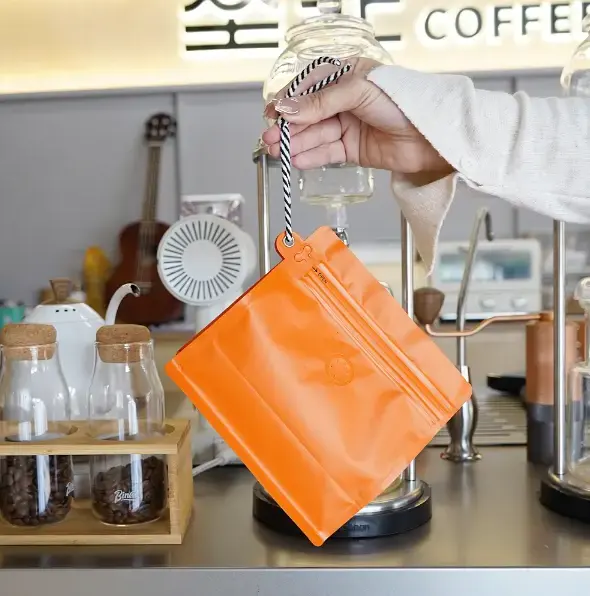
Freshness Features Beginners Should Not Ignore
A bulk bag can look excellent and still fail if it does not protect flavor. Coffee continues to release gas after roasting. If packaging cannot handle that reality, seals can weaken, bags can puff, and freshness can decline faster than expected.
That is why custom coffee bags with lanyard often perform best with two built-in features: a resealable zipper and an integrated one-way degassing valve. The valve allows internal gas to escape while reducing the chance of outside air entering. This is especially useful during extended storage and distribution cycles. The zipper matters because bulk users rarely open a bag once. Commercial workflows involve repeated access—scooping, refilling hoppers, resealing, and moving the bag again.
In practical terms, these features help protect the buyer from waste. When a bag reseals reliably, coffee stays cleaner, odors stay controlled, and the user experience stays consistent across many openings. For the brand, that translates into fewer quality complaints and more confidence in long-distance distribution.
✅ Integrated One-Way Degassing Valve: Supports better gas control and steadier storage performance
✅ Heavy-Duty Resealable Zipper: Enables repeated opening and closing in daily commercial use
If you are building your first bulk program, keep priorities simple: choose structure and freshness first. Design refinement should come after the functional choices are locked, because function directly protects taste, and taste protects reputation.
How to Design the Lanyard for Real-World Handling
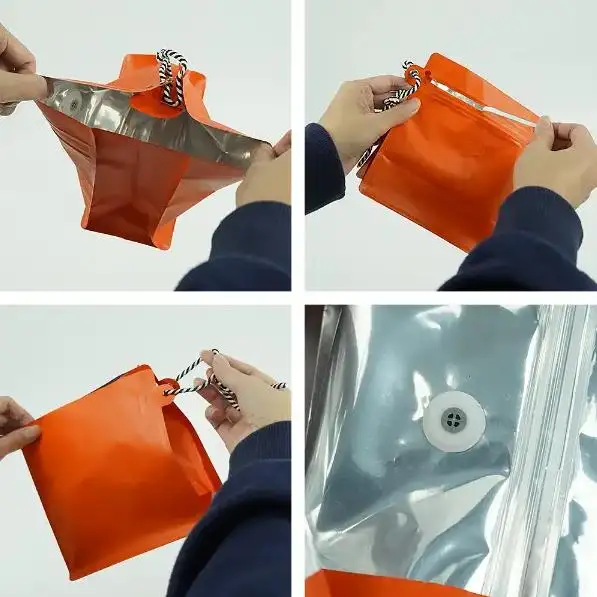
A lanyard should never be treated as decoration. It is a load-bearing point, so its reinforcement and placement influence both safety and long-term durability. When teams lift a heavy bag by pinching film edges, they create stress lines and creases that can weaken the pack over time. A reinforced side lanyard reduces that behavior by giving staff a natural grip point.
The lanyard also improves workflow in tight spaces. In some storage rooms and roasting facilities, hanging is the most efficient option. The lanyard keeps bags hung and off the floor—cleaner workflow, lower puncture risk.
From a brand perspective, the lanyard can become a recognizable silhouette. When multiple bags are lined up, that repeated side detail can act like a signature, even before buyers read the label. A practical method is to design a consistent “side information zone” that sits near the lanyard: simple icons, SKU markers, or short handling instructions. This turns the lanyard side into a functional communication surface rather than wasted space.
✅ Reduced Handling Damage: Cuts the pinch‑and‑drag that causes wrinkles and stress points
✅ Side Information Zone: Purpose‑built area for storage guidance, batch info, or internal SKU systems
Stock Vs Custom: Speed to Shelf Without Sacrificing Control
Not every bulk assortment needs a protracted development timeline. Off-the-shelf bag formats cut lead times—made for seasonals, regional entries, or wholesale tests. With clean labels, sleeves, and secondary printing, stock keeps its premium feel.
The benefit of stock structures is predictability. When your packaging format is stable, your operations become easier to manage. Teams learn how the bag handles, how it stacks, how it seals, and how it moves through distribution. This consistency matters in export and multi-region supply, where packaging surprises often become expensive.
This approach is common across key application regions such as Europe, North America, Australia, the Middle East, and Southeast Asia, where bulk coffee frequently moves through multi-step distribution chains. A durable, ready-to-use format reduces friction for importers, exporters, and wholesale partners, because the pack is designed for high-volume handling from day one.
In short, “stock” does not have to mean generic. It can mean fast, reliable deployment—with smart branding layered on top.
A Practical 2026 Checklist and a Clear CTA
If your goal is shelf impact that still works in high-volume reality, think in a simple order: structure first, freshness second, branding third. This sequence prevents a common mistake—investing in design before the package is operationally correct.
✅ Choose a flat-bottom structure to keep packs upright and readable
✅ Add a one-way valve when roasted coffee needs gas release support
✅ Select a heavy-duty zipper for repeated access in commercial workflows
✅ Treat the lanyard as a handling tool and reinforce it for heavy fills
✅ Keep the front design disciplined: one message, one identifier, one trust cue
CTA: If you are planning a bulk line for roasters, wholesale distributors, import/export programs, or private label supply, YPAK can help you match the right stock structure and build a custom branding plan around it. Share your coffee type (beans or ground), your target bulk format, and where the bags will be used (warehouse, roasting facility, wholesale shelf). We will recommend a configuration that supports daily handling, protects freshness, and strengthens shelf presence—without overcomplicating your launch.
Written by
ypak.coffee
ypak
YPAK PACKAGING GROUP was established in 2011 and formed with 3 companies based on Hongkong, Dongguan and Foshan. We have become one of the largest coffee bag manufacturers in China. We use the best quality WIPF valves from Switzerland to keep your coffee fresh.
Conform to the plastic ban policy imposed to many different countries, we have researched and developed the sustainable packaging bags, such as RECYCLABLE and COMPOSTABLE pouches.
No minimum quantity, no color plates are required with our HP 25K INDIGO DIGITAL PRINTING service.
You are welcome to visit YPAK.
Related Articles
Two Gates on the Road to the EU: Reduction by Design and the Documentation Chain for Coffee Packaging

Recyclable Coffee Bags: How to Protect Freshness Without Compromising Sustainability

Your Brand, Perfectly Packaged: The YPAK Guide to Selecting a High-Quality Custom Coffee Bag