

Updated 7 months ago
Coffee Bags Supplier: Premium Pouches, Better Shelf Life

ypak.coffee
YPAK PACKAGING GROUP was established in 2011 and formed with 3 companies based on Hongkong, Dongguan and Foshan. We have become one of the largest coffee bag manufacturers in China. We use the best quality WIPF valves from Switzerland to keep your coffee fresh.
Conform to the plastic ban policy imposed to many different countries, we have researched and developed the sustainable packaging bags, such as RECYCLABLE and COMPOSTABLE pouches.
No minimum quantity, no color plates are required with our HP 25K INDIGO DIGITAL PRINTING service.
You are welcome to visit YPAK.
coffee bags supplier
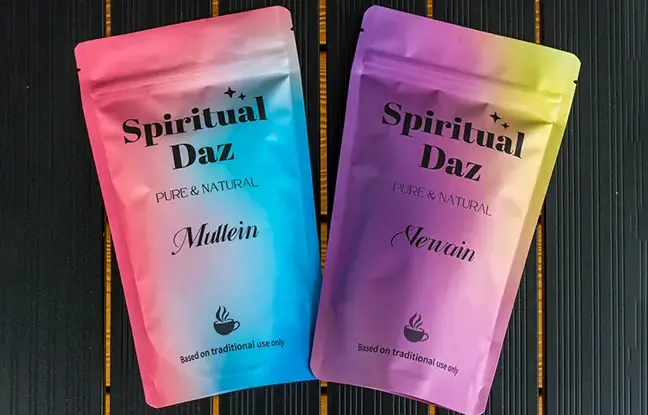
A coffee bags supplier does more than deliver packaging. It quietly determines how long aroma stays vivid and how confidently a brand can scale. In 2026, premium pouches are becoming a practical tool for shelf-life control, not a design upgrade. The question is no longer “which bag looks best,” but which structure protects flavor under real distribution pressure.
Why Shelf Life Starts With the Bag, Not the Roast
Freshly roasted coffee releases CO₂ after roasting. If gas cannot escape, bags may bloat. If oxygen gets in, aroma fades fast. That is why a coffee bags supplier must balance degassing + barrier protection + sealing reliability.
At YPAK, we use Swiss-imported WIPF valves to support controlled degassing while keeping oxygen out. In practical terms, this helps your coffee stay closer to “roastery-fresh” during storage, shipping, and retail display. It also reduces customer complaints that often come from packaging issues rather than the beans themselves.
The Real Pain Points for Roasters (and How Packaging Fixes Them)
Roasters of different sizes face different packaging risks, but the root problem is the same: packaging mistakes are expensive.
✅ Micro-Roasters (Startups/Small Shops)
You may need small runs for testing, but high MOQs can lock cash into inventory. With ready-to-use pouch options and lighter customization routes, you can launch faster and avoid dead stock.
✅ Medium Roasters (Multi-Location Brands)
Frequent blend changes can cause changeovers and labeling errors. Tight packaging standards—SKU clarity, size consistency, and repeatable printing—lower rework and operational drag.
✅ Large Brands (National Chains/Major Programs)
The larger the footprint, the greater the cost of mislabeling; expectations for sustainability and anti-counterfeit controls climb. A professional coffee bags supplier should guide material choices, printing control, and consistency across markets.
The takeaway: premium pouches are not “nice to have.” They are a practical tool to protect margin and reduce operational drag.
Premium Pouch Formats That Fit How Coffee Is Sold
Different coffees sell in different ways. Your packaging should match your channel, portion size, and shelf behavior. Below are core formats we manufacture, with customer-facing benefits.
- Flat Bottom Coffee Bags: Premium Shelf Presence, Strong Branding
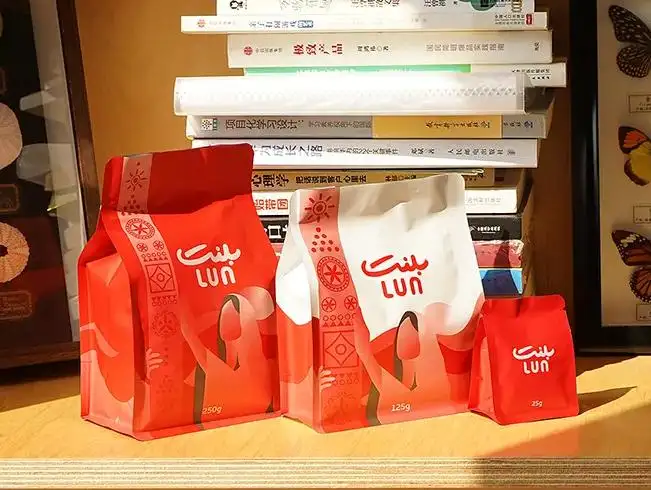
Flat bottom bags stand firmly and look premium on shelves. They also give you five printable surfaces—front, back, bottom, and two side gussets—so you can explain origin, roast notes, and brand story without crowding the design.
Common sizes include:
• Mini 20–25g (60×80×50mm) for samples
• 8oz / 200–250g (110×190×80mm) for specialty retail
• 1lb / 500g (135×265×75mm) for regular buyers
• Up to 5lb / 2.2kg (185×390×130mm) for bulk formats
If your goal is “premium look + stable standing + more design space,” flat bottom is usually the first option to evaluate.
- Stand Up Pouches: Classic, Efficient, and Reusable
Stand up pouches are popular because they balance cost and performance. They display well, store well, and often feel convenient for consumers who open and close the bag many times.
Typical sizes range from 4oz to 5lb, making them a flexible choice for both retail and subscriptions.
- Side Gusset and Quad Seal Bags: High Capacity, Efficient Logistics
Side gusset bags expand internal volume and are ideal for larger weights and commercial use. They can reduce space waste in transport and storage. Quad seal formats offer a more structured, classic look with reinforced corners.
✅ If you sell larger formats (like 2lb–5lb), these styles can reduce handling issues and improve stackability.
- Flat Pouches and Rollstock: Samples, Drip Packs, and High-Speed Lines
Three-side-seal flat pouches work well for sample sachets, drip coffee packs, and gift sets. Rollstock film supports automatic packing lines, helping reduce labor and enabling print-on-demand planning that can lower waste from pre-made pouch inventory.
Sustainability Without Sacrificing Freshness
Sustainability is no longer a branding add-on. Many buyers now expect it, and procurement teams often ask for clear material direction. However, coffee still needs strong barriers. The best approach is matching sustainability goals to real performance needs.
At YPAK, we see three practical directions that are reshaping environmentally friendly coffee packaging:
✅ Compostable Bio-Materials
For brands aligned with industrial composting systems, compostable structures can be a promising route.
✅ Monomaterial Recyclable Bags (PE or PP)
Using one primary plastic type can make recycling simpler, especially when paired with compatible inks and components.
✅ PCR (Post-Consumer Recycled) Structures (30–50% PCR)
A common approach is placing 30–50% PCR in a middle layer via co-extrusion, so recycled content reduces environmental impact without touching the coffee directly.
Sustainable choices work best when they are paired with the right pouch structure, valve system, and sealing method—so you protect flavor while improving footprint.
One Supplier, Less Chasing: How We Help You Scale Smoothly
A coffee bags supplier should not create more admin work. The goal is fewer invoices, fewer delays, and fewer surprises.
At YPAK, we support practical scaling in several ways:
• One Order, One Invoice: simplify multi-SKU sourcing through a dashboard workflow
• Consistent Branding Control: match Pantone colors across packaging with ΔE < 1.5 tolerance
• Faster Consolidation: supported by 5,000㎡ warehousing and logistics consolidation, which helps buyers reduce shipment fragmentation
We manufacture across locations in Hong Kong, Dongguan, and Foshan, and we have built a global footprint with exports to markets including the US, Canada, Australia, Germany, the UK, and the UAE. We also work with 2,000+ partner stores worldwide, which gives us daily feedback on what performs in real retail conditions.
A Simple Next Step: Choose The Right Pouch for Your Coffee
If you are selecting packaging for a new launch or upgrading an existing line, start with three decisions: pouch format, material direction, and valve choice. Then map sizes to your best-selling SKUs.
CTA: If you want a shortlist of pouch options that fit your roast style, target weight, and sustainability goals, contact YPAK for a packaging recommendation pack. You are also welcome to visit YPAK to review materials, valve configurations, and sample formats in person.
Written by
ypak.coffee
ypak
YPAK PACKAGING GROUP was established in 2011 and formed with 3 companies based on Hongkong, Dongguan and Foshan. We have become one of the largest coffee bag manufacturers in China. We use the best quality WIPF valves from Switzerland to keep your coffee fresh.
Conform to the plastic ban policy imposed to many different countries, we have researched and developed the sustainable packaging bags, such as RECYCLABLE and COMPOSTABLE pouches.
No minimum quantity, no color plates are required with our HP 25K INDIGO DIGITAL PRINTING service.
You are welcome to visit YPAK.
Related Articles
Two Gates on the Road to the EU: Reduction by Design and the Documentation Chain for Coffee Packaging

Recyclable Coffee Bags: How to Protect Freshness Without Compromising Sustainability

Your Brand, Perfectly Packaged: The YPAK Guide to Selecting a High-Quality Custom Coffee Bag