

How Coffee Packaging Printing Works?
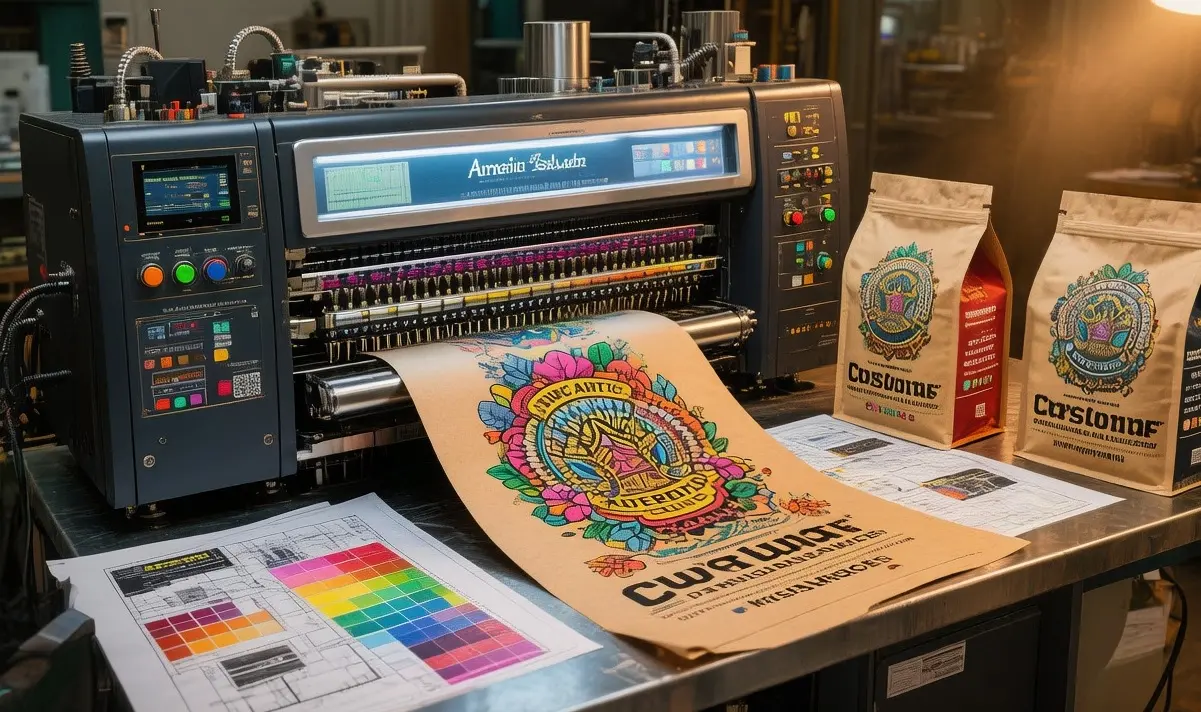
Coffee is not just a drink, it is an experience. However, coffee undergoes a complex process before it gets to your cup, and this includes harvesting, roasting and finally packing. Packaging is not only concerned with keeping coffee fresh but also branding, consumer trust, and compliance to the market. The article discusses the process of coffee packaging printing, including its recent methods, materials, and trends in the global markets.
Why Coffee Packaging Matters
Effective coffee packaging serves multiple purposes:
- Preserving Freshness: Coffee is highly sensitive to oxygen, moisture, and light. Packaging with barrier properties like foil, polyethylene, or laminated films helps maintain aroma and flavor.
- Brand Identity: Packaging printing allows brands to convey their story through logos, colors, and typography. A well-designed bag can significantly impact consumer purchasing decisions.
- Regulatory Compliance: Different regions have strict labeling requirements. CE, FDA, or EU food safety standards often dictate what information must appear on coffee packages.
- Market Differentiation: High-quality packaging can help your coffee stand out on crowded shelves, especially in competitive markets like the US, Europe, and Asia.
Materials Used in Coffee Packaging Printing
The choice of material is crucial for both freshness and printing quality. Common materials include:
- Paper Pouches: Eco-friendly, printable, and often laminated with foil for barrier protection. Suitable for premium coffee brands in Europe and North America.
- Plastic Film Laminates: Offers high barrier protection, durability, and flexibility. Popular for bulk coffee or single-serve bags.
- Foil Bags: Provides maximum protection against oxygen and moisture. Ideal for specialty coffee exports.
- Kraft Paper Bags: Biodegradable and appealing to eco-conscious consumers. Often used in artisanal and local coffee markets.
Printing Techniques for Coffee Packaging
1. Flexographic Printing
Cost-effectiveness and application on a wide range of substrates make flexography popular in the coffee industry. It can be used in large production batches, and can be used with multiple colors, but the quality of the print might not be as high as other methods.
2. Rotogravure Printing
Rotogravure will provide quality and detailed images and will suit high end coffee packaging. It is usually exported to Europe and the US where design and aesthetics are paramount.
3. Digital Printing
Small batch customization is possible with digital printing, so it is ideal with limited editions or local markets. It can also handle complicated graphics and rapid design modification which is beneficial in promotional campaigns.
4. Screen Printing
Specialty packaging such as coffee tins or reusable bags are often screen printed. It guarantees bright colors and can be used in small amounts or small coffee brands.
Labels, Logos, and Compliance
Coffee packaging printing must include important information for consumers and authorities. This includes:
- Brand name and logo
- Roast type and origin
- Net weight
- Ingredients and allergens
- Expiration date and batch number
- Compliance marks: CE, FDA, or EU food safety labels
Trends in Coffee Packaging Printing
- Sustainable Packaging: Biodegradable materials, compostable films, and recyclable inks are becoming standard, especially in Europe and North America.
- Smart Packaging: QR codes or NFC chips provide consumers with information about the farm, roast date, and brewing tips.
- Premium Aesthetics: Matte finishes, metallic inks, and embossed logos appeal to high-end coffee consumers.
- Localized Designs: Printing packages in local languages and cultural motifs boosts regional sales.
Coffee Packaging Printing Process: Step by Step
- Design & Artwork Preparation: Create the design with correct color profiles, logos, and regulatory information.
- Material Selection: Choose the substrate based on barrier needs, print compatibility, and sustainability.
- Printing: Use flexography, rotogravure, digital, or screen printing depending on volume and quality requirements.
- Lamination & Finishing: Laminating enhances barrier properties, while finishing techniques like embossing or UV coating improve visual appeal.
- Quality Control: Ensure print accuracy, color consistency, and regulatory compliance.
- Bag Formation & Sealing: Convert printed sheets into pouches, bags, or tins, ensuring airtight sealing to maintain freshness.
Global Market Considerations
Coffee packaging printing varies by region due to regulations, consumer preferences, and environmental standards:
- Europe: Focuses on eco-friendly materials, design sophistication, and strict labeling regulations (EU Food Information Regulation).
- North America: FDA compliance is mandatory, and branding is crucial for supermarket visibility.
- Asia-Pacific: Demand for attractive, colorful packaging is high; small-batch digital printing is increasingly popular.
Conclusion
Coffee packaging printing is a science and art, with a blend of material science, design, and regulatory compliance. High-quality printing, environmentally friendly materials, and international certification help to enhance the brands, keep coffee fresh, and appeal to sophisticated consumers.
Your target could be Europe, North America, and Asia, but to succeed, it is important to know the printing technologies, packaging materials and local preferences. Through proper methods and by remaining in line, coffee brands will be able to be recognizable on the shelves and will develop a long-term consumer trust.
Related Articles
Two Gates on the Road to the EU: Reduction by Design and the Documentation Chain for Coffee Packaging

Recyclable Coffee Bags: How to Protect Freshness Without Compromising Sustainability

Your Brand, Perfectly Packaged: The YPAK Guide to Selecting a High-Quality Custom Coffee Bag