

Updated 2 hours ago
10 Pack Coffee Box: Measures, Inserts and Packing Guide.

ypak.coffee
YPAK PACKAGING GROUP was established in 2011 and formed with 3 companies based on Hongkong, Dongguan and Foshan. We have become one of the largest coffee bag manufacturers in China. We use the best quality WIPF valves from Switzerland to keep your coffee fresh.
Conform to the plastic ban policy imposed to many different countries, we have researched and developed the sustainable packaging bags, such as RECYCLABLE and COMPOSTABLE pouches.
No minimum quantity, no color plates are required with our HP 25K INDIGO DIGITAL PRINTING service.
You are welcome to visit YPAK.

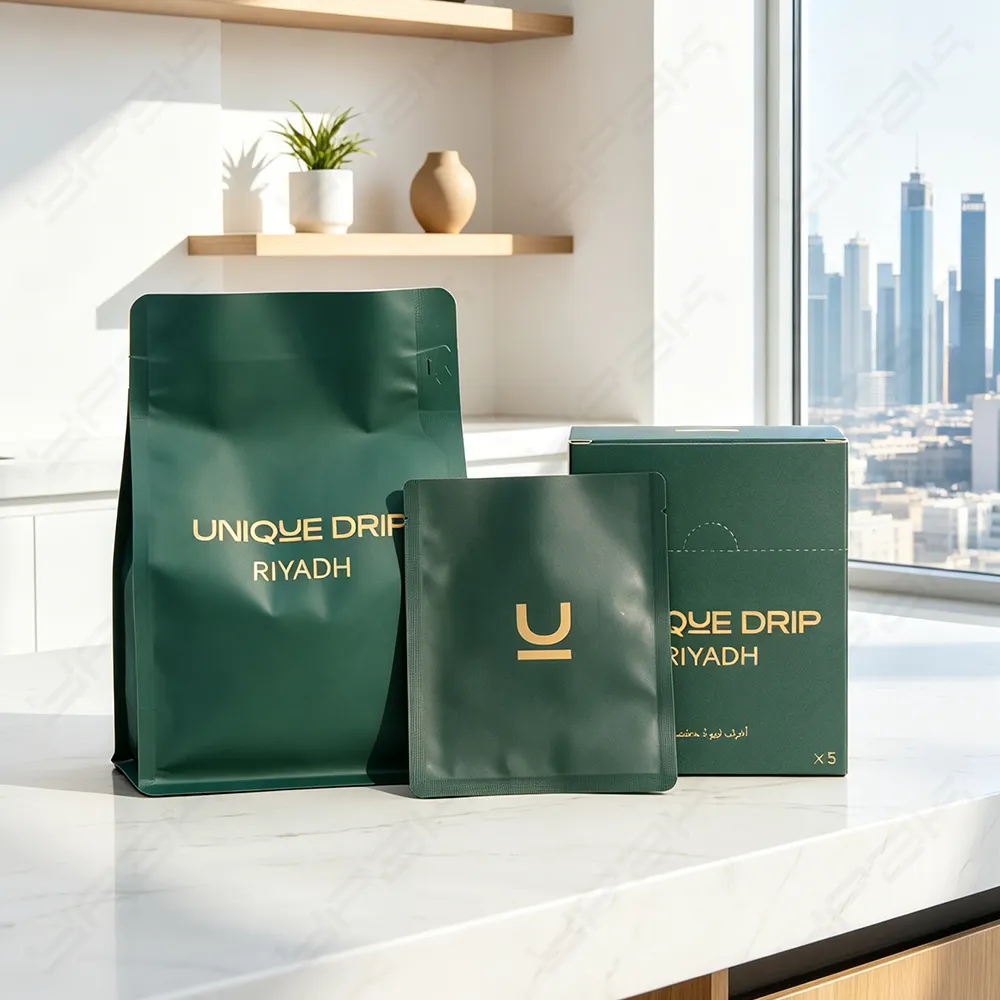
In one retail carton, there are ten, individually wrapped portions of coffee in a 10 pack coffee box. Drip coffee bags and other single sachets of coffee are typically packaged in the format since it provides the number of portions it is used frequently without turning into a huge pantry pack.
It is easy to count, but ten filled sachets are more pressure inducing, in terms of movement and dimensional range, than five. Consistent box starts with the actual filled product then builds the carton around how those ten portions will be loaded, displayed, opened and shuffled.
Characterize What is contained in the Ten-Count Pack.
The keyword hint should tell about a single box with ten coffee portions and not one-by-one retail boxes. In the specification, the portion type, fill weight, sachet material and whether all the ten coffees are the same or comprise an assortment should be specified.
Confirm selling unit.
A clearly stated point is to indicate that the consumer gets ten portions separately sealed in a single carton. This maintains product pages, labels as well as packing directions.
Set the use case
A ten-count pack typically becomes a normal retail pack or a repeat-use pack. It also can be used to support office, hotel or gift sales though the carton must develop its primary channel initially.
Approve Before Carton Accept the Filled Sachet.
The dimensions of flat artwork are inadequate. The finished thickness may vary depending on coffee density, trapped air, folds and width of the seal of the filter. Measure samples that are production filled to the widest and the thickest spots.
Construct an actual ten-sachet stack.
Take ten filled samples with desired orientation and allow them to settle. Do not squeeze them to an unrealistic block since the carton can be bowed upon upon packing despite the same pressure.
Check the seal that is the fattest.
Local high points are formed by top and side seals. On the one hand, by swapping direction, a ridge could be minimized through the entire pack.
Select One Row of Ten or Two Rows of Five.
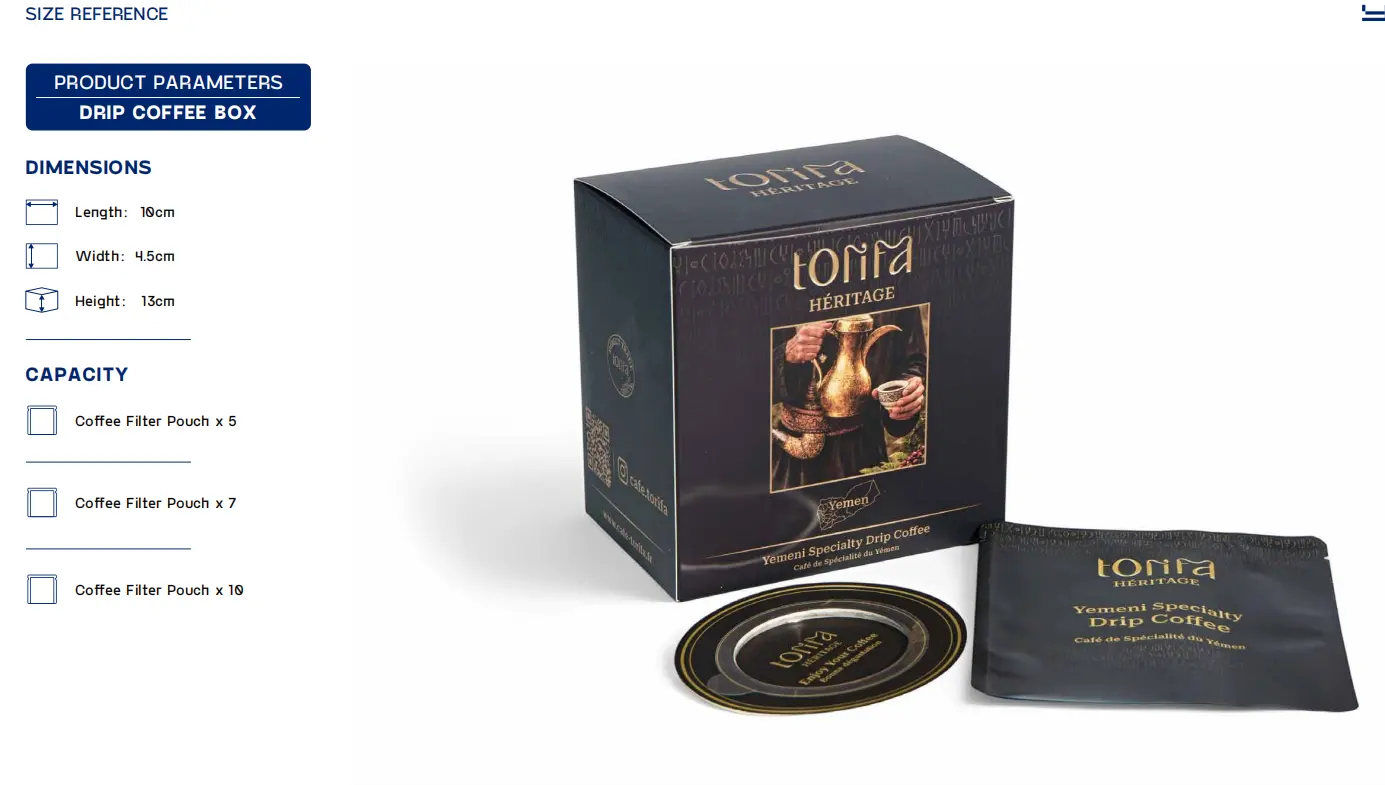
The proportion of cartons is regulated by the internal arrangement. A single row of ten gives a longer pack that is easy to load. Two rows of five form a shorter, deeper box that can fit a retail shelf more easily.
Simple access: Use one row.
The straight row ensures that the count is easy to check and all the sachets are in a similar position. It must have sufficient panel strength as well to withstand the pressure of a long stack.
Two rows will create a small footprint.
The carton can be shortened by using two sets of five sachets, but the centre section must not crush folded filters or catch sachet edges during loading.
Prepare Practical Internal Dimensions.
There is no universal size for a 10 pack coffee box. Internal length, width and depth should be after the filled sachet and the preferred arrangement. Add just the necessary space to be clear to loading and unloading, any more space will leave the contents or goods to slide and the box will appear to be empty.
Permission to load clearance.
The packer ought to easily insert all ten sachets without pushing corners and scraping seals. A test pack-in exercise in the short term indicates the workability of the opening and depth.
Removal of tests First and last.
The initial sachet must be able to be removed without being torn and the final one should be accessible. An opening, of any type, should be introduced at a thumb notch or else as the proportions of the carton permit.
Choose a Carton Structure to Reuse.
A standard tuck-end folding carton can be used to pack a large portion of ten-counts. Auto-bottom may be used where the weight or the volume of packing of the product warrant it. Display-oriented structures or drawer can be appropriate to a premium retail, but they must address a solvable need in handling, as opposed to introducing a new material.
Secure the opening cycle.
Ten portions can be taken out during a few days. Main flap and dust flaps must be able to open many times without obstruction by sachets or being unable to close the flaps.
Make a Choice of whether an Insert is necessary.
An insert is not necessarily necessary. In certain cases, ten sachets may fit into a carton that is of adequate size. An insert should not be used to add steps to control without increasing control.
Separate mixed assortments.
A divider can come in handy in case two coffees need to stay in specific groups of five or when the coffee order facing towards the front counts. Make it simple so that it loads quickly.
Remove unnecessary material
Carton walls can give the desired restraint in case the transport tests reveal that sachets are still in position. The easiest victorious arrangement is commonly simpler to build as well as rearrange.
Plan Single-Coffee and Mixed-Coffee Packs
The same origin, roast or blend can be used in all ten portions of a single-coffee box. A mixed box should contain a definite assortment rule, two groups of five or five pairs. The physical order must coincide with what has been printed in description so that the customer will not have to make guesses.
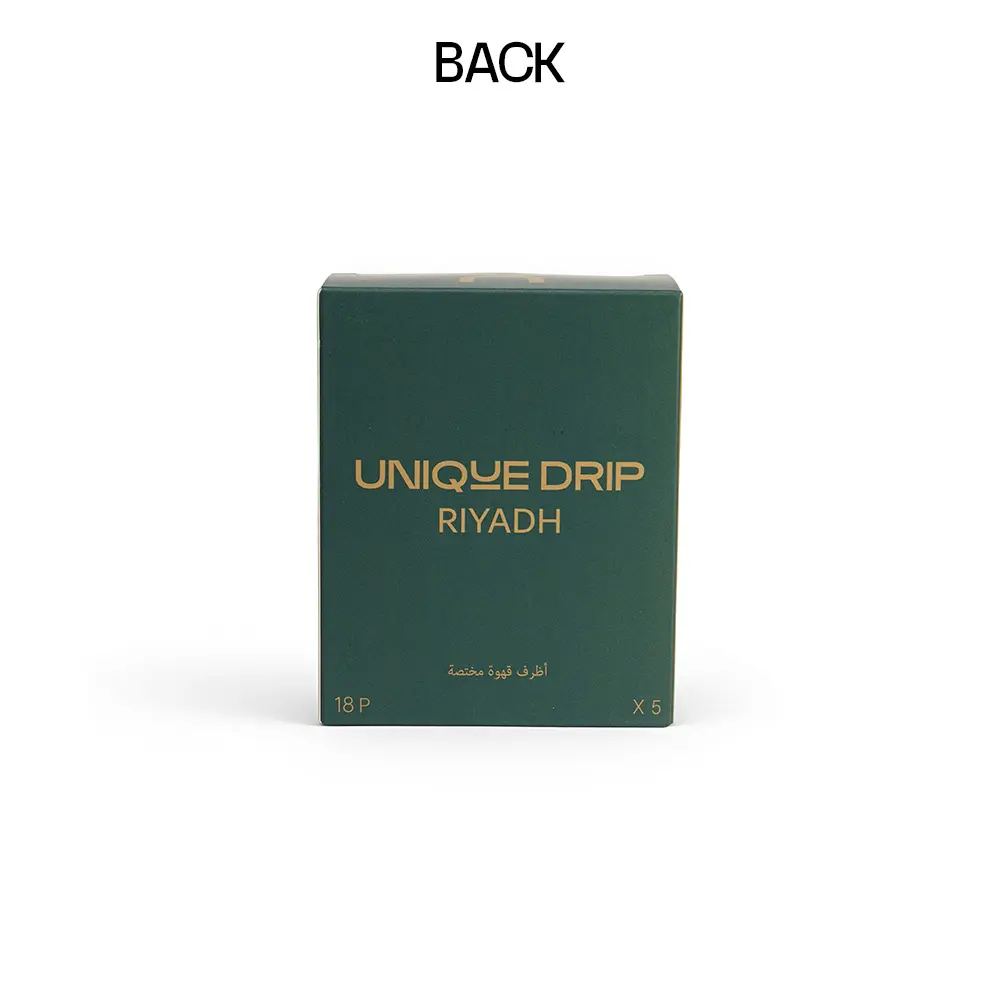
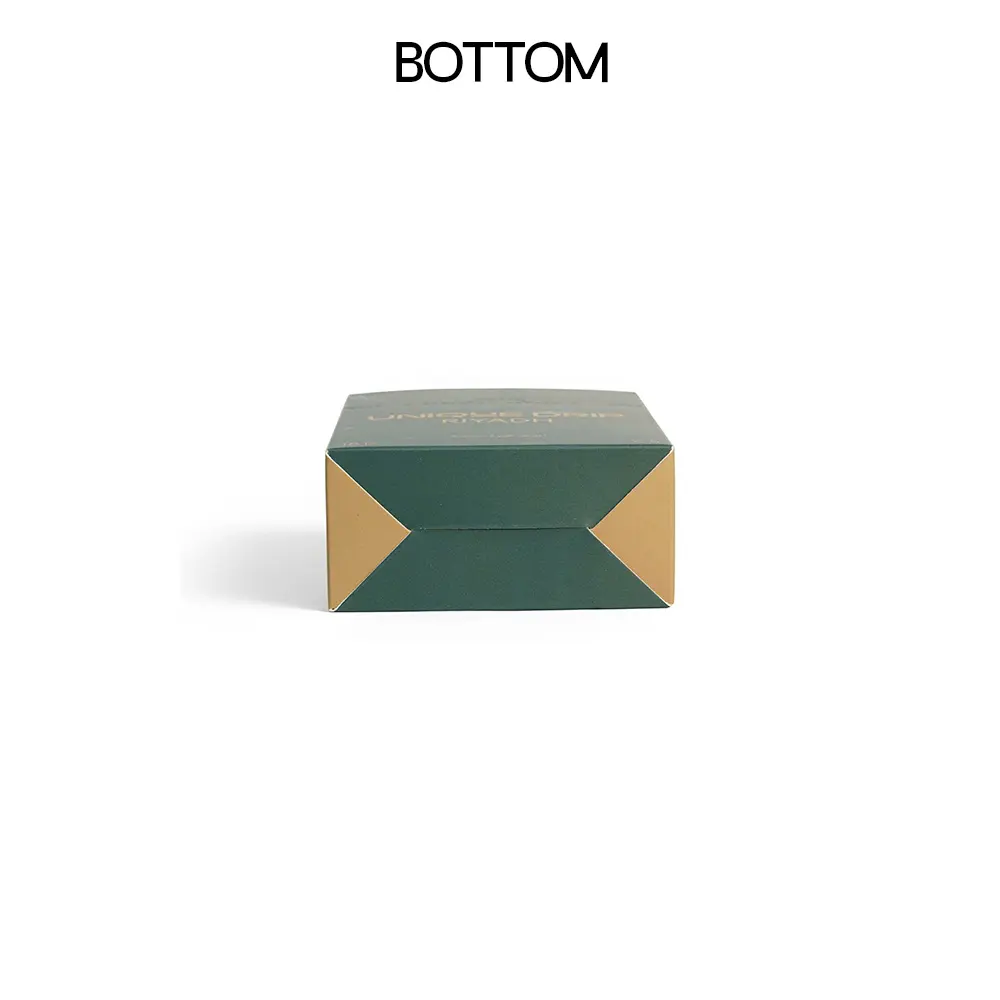
Work with Art to Manage Ten Portions.
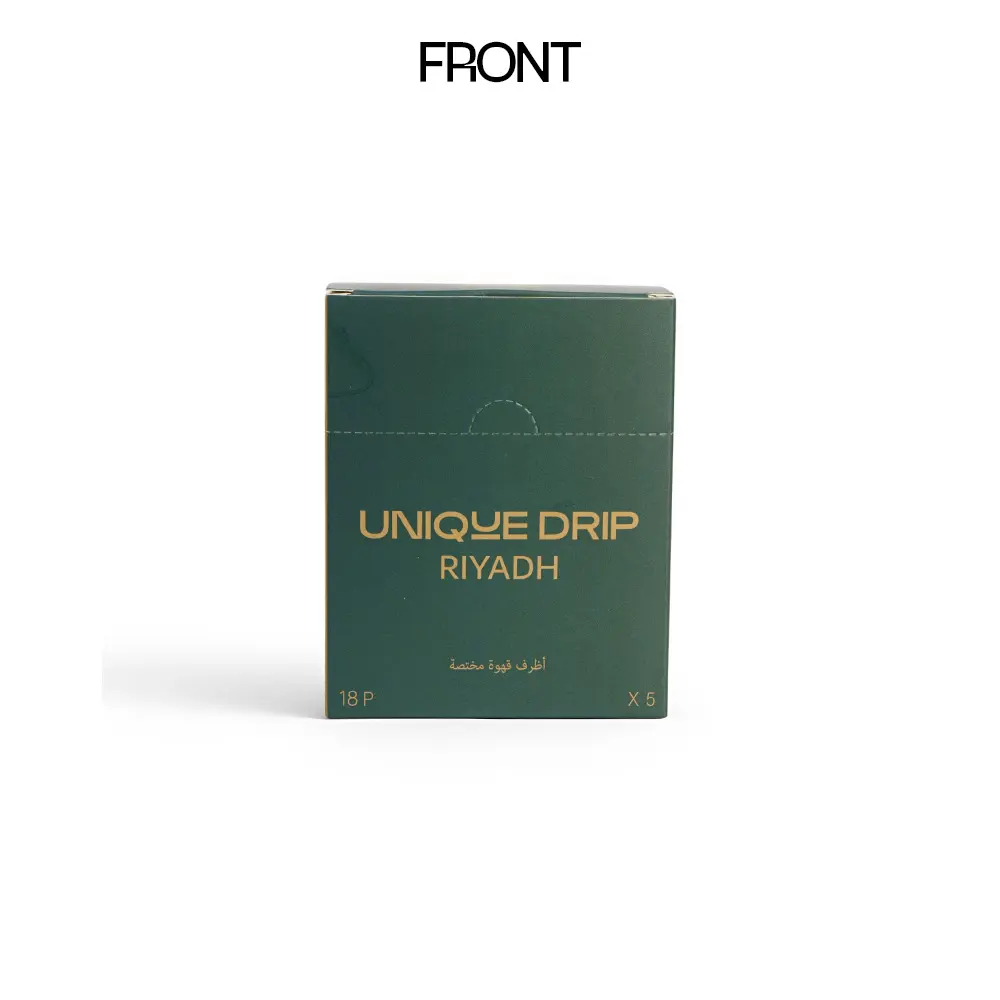
The front panel must be able to display the coffee format and the size of ten-counts just by looking at it. Brewing instructions, flavour details and assortment order can be placed on side or back panels. Keep significant copy out of folds, opening cuts and glue lines.
Enumerate the count.
Direct wording is to be used including 10 drip coffee bags or 10 single-serve sachets. Do not use product photography as a sole explanation of the quantity.
Test Packing, Transport and Shelf Handling.
Prepare the carton with manufacture-like sachets, close it in the desired way and put it into the suggested shipping box. Examine panel bowing, depressed corners, flaps and sachet motion after realistic handling.
Test a packing-line.
monitor carton layout, counting, packing and sealing. In case workers bend sachets again and again, or squeeze the last part down, the structure is to be adjusted.
Review the shipping case
The case used to hold the single carton must not have any spare space nor be cut by compression to cause harm. Case orientation may influence front panel hitting the shelf clean and level.
Freeze the Repeat-Order Specification.
Once approved, note dieline, board grade, coating, print files, and glue areas, packing orientation and acceptable filled-sachet range. Store a known specimen of the specification. Repeat orders ought to be able to reproduce the tested pack instead of having to start afresh with artwork.
Conclusion
A trusted 10 pack coffee box is planned to be based on ten actual, filled portions. The correct configuration, regulated clearance, realistic opening and proven carton design maintain the pack simple to load, ship, display and utilize. After these details are set in place, the art work is able to convey the product without concealing structural issues.
Frequently Asked Questions.
Written by
ypak.coffee
ypak
YPAK PACKAGING GROUP was established in 2011 and formed with 3 companies based on Hongkong, Dongguan and Foshan. We have become one of the largest coffee bag manufacturers in China. We use the best quality WIPF valves from Switzerland to keep your coffee fresh.
Conform to the plastic ban policy imposed to many different countries, we have researched and developed the sustainable packaging bags, such as RECYCLABLE and COMPOSTABLE pouches.
No minimum quantity, no color plates are required with our HP 25K INDIGO DIGITAL PRINTING service.
You are welcome to visit YPAK.