

Updated 7 months ago
Advantages and disadvantages of vacuum-sealed coffee bags

ypak.coffee
YPAK PACKAGING GROUP was established in 2011 and formed with 3 companies based on Hongkong, Dongguan and Foshan. We have become one of the largest coffee bag manufacturers in China. We use the best quality WIPF valves from Switzerland to keep your coffee fresh.
Conform to the plastic ban policy imposed to many different countries, we have researched and developed the sustainable packaging bags, such as RECYCLABLE and COMPOSTABLE pouches.
No minimum quantity, no color plates are required with our HP 25K INDIGO DIGITAL PRINTING service.
You are welcome to visit YPAK.
Advantages and disadvantages of vacuum-sealed coffee bags
What are Coffee Vacuum-Sealed bags?
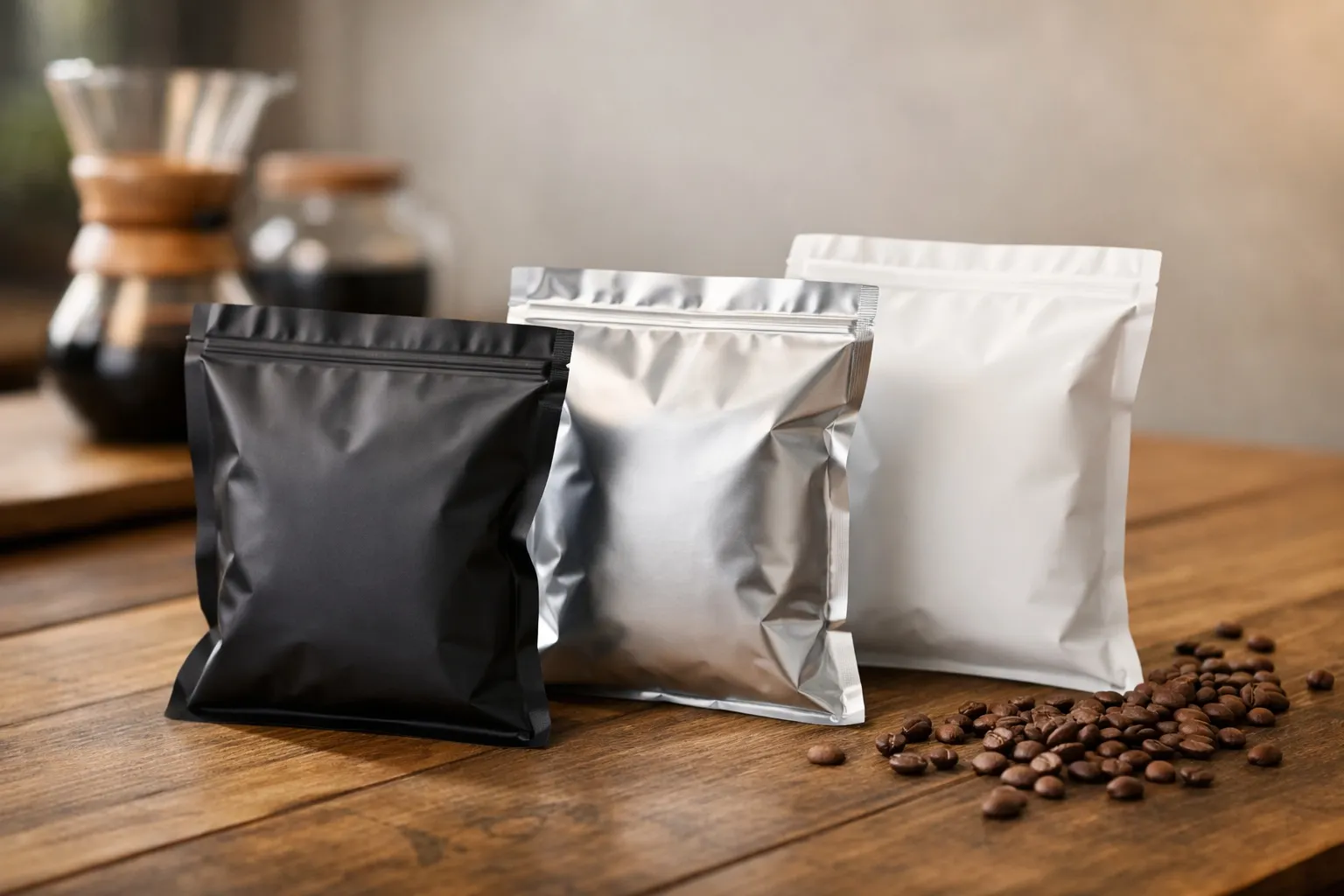
Packaging solutions that help exclude oxygen in the bag by vacuum-sealing the bag are known as vacuum-sealed coffee bags. Vacuum packaging provides a better barrier of oxygen, moisture, and light as well as external contaminants compared with regular coffee bags. This is to preserve the quality of coffee when it is in storage and transportation particularly to premium and export coffee.
Vacuum-Sealed Coffee Packaging Advantages.
1. Better Freshness and Stability of Flavors.
Coffee starts to oxidize as soon as it is roasted and it gradually breaks down aroma and flavor compounds. Vacuum-sealed coffee bags practically prevent oxidation, extending the shelf life of the product and supplementing its flavor, by removing all oxygen in the package.
In the case of specialty coffee brands, it implies that customers will be able to taste coffee similar to the profile of the original roast even weeks or months after purchase.
2. Improved resistance to Contamination and Pests.
Coffee may be vulnerable to pests and smells during transportation and storage and may be contaminated by the environment. To help reduce these hazards, vacuum-sealed coffee bags form a high-barrier protective coating, which helps to guarantee the safety and purity of the products.
This feature is especially significant to the green coffee warehousing, warehousing long-term and the international shipping.
3. Perfect in Long Distance Shipping and Export Markets.
In the case of coffee producing and exporting countries such as Indonesia including Java, Bali and West Java coffee is usually taken to cover long distances to get to the consumer in North America, Europe or other parts of Asia.
The vacuum-sealed packaging ensures the same quality even when transporting across a long distance hence international buyers are more confident about the product when it arrives to them.
Difficulties and obstacles of Vacuum-Sealed Coffee Bags.
1. Higher Packaging Costs
Special equipment and material of better quality are required in vacuum sealing, which, of course, increases the costs of packaging. This investment can be challenging to make in all product lines in small roasters, individual cafes or even startups with limited finances.
2. Sustainability Concerns
Multi-layer plastic and aluminum foil constructions are used in many traditional vacuum-sealed bags making them challenging to recycle. This can be against the environmental message of the brand as sustainability is an important factor that consumers are using in their purchases.
To overcome this challenge, there is an increment in brands seeking recyclable or eco-friendly vacuum packs, which will be a relevant trend in the future.
3. Storage and Handling Restrictions.
Vacuum-packed coffee containers can be rather hard and stiffer than standard coffee boxes. It may complicate stacking, shelving and high throughput handling, particularly to businesses which have less storage space or large volume packing processes.
Vacuum-Sealed Coffee Bags: Suitable to all Coffees?
Coffee products are not all vacuum sealed. The move is hinged on the product positioning and distribution strategy:
· Vacuum sealing is more applicable to high-value specialty coffee, competition lots, and shipments of exports because these products are sensitive to quality loss.
· To sell locally or faster, roasters can switch to other options, including nitrogen-flushed coffee bags that also minimize oxidation but provide more flexibility and can have a lower environmental impact.
The selection of the appropriate way of packaging is the balancing factor between freshness, cost, sustainability, and logistics.
Written by
ypak.coffee
ypak
YPAK PACKAGING GROUP was established in 2011 and formed with 3 companies based on Hongkong, Dongguan and Foshan. We have become one of the largest coffee bag manufacturers in China. We use the best quality WIPF valves from Switzerland to keep your coffee fresh.
Conform to the plastic ban policy imposed to many different countries, we have researched and developed the sustainable packaging bags, such as RECYCLABLE and COMPOSTABLE pouches.
No minimum quantity, no color plates are required with our HP 25K INDIGO DIGITAL PRINTING service.
You are welcome to visit YPAK.
Related Articles
Two Gates on the Road to the EU: Reduction by Design and the Documentation Chain for Coffee Packaging

Recyclable Coffee Bags: How to Protect Freshness Without Compromising Sustainability

Your Brand, Perfectly Packaged: The YPAK Guide to Selecting a High-Quality Custom Coffee Bag