

Updated 8 months ago
What to Look for in Disposable Coffee Paper Cups? Coatings, Sizes, Grades

ypak.coffee
YPAK PACKAGING GROUP was established in 2011 and formed with 3 companies based on Hongkong, Dongguan and Foshan. We have become one of the largest coffee bag manufacturers in China. We use the best quality WIPF valves from Switzerland to keep your coffee fresh.
Conform to the plastic ban policy imposed to many different countries, we have researched and developed the sustainable packaging bags, such as RECYCLABLE and COMPOSTABLE pouches.
No minimum quantity, no color plates are required with our HP 25K INDIGO DIGITAL PRINTING service.
You are welcome to visit YPAK.
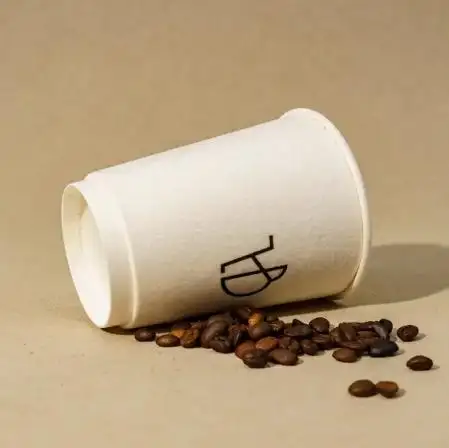
Disposable Coffee Paper Cups
Why Your Cup Choice Matters More Than You Think?
A paper cup is not just a container; it's part of the drinking experience. The wrong cup can mute aromatics, scald hands, leak during delivery, or undermine your brand with flimsy feel and smudged print. For cafés, caterers, and hospitality suppliers, choosing Disposable Coffee Paper Cups with the right barrier, size set, and construction has a direct impact on guest satisfaction, speed of service, and cost control. Think of cups as a small operational lever: when they work, you barely notice them; when they fail, everyone does - especially in the morning rush.
Get the Barrier Right: Coatings That Protect Flavor and Guests
Coatings form the invisible shield inside the cup. They keep liquid where it belongs and protect the paper fibers from heat and moisture. Your menu and disposal goals should guide the choice.
• PE (Polyethylene): The industry workhorse for hot drinks. PE-lined Disposable Coffee Paper Cups tolerate typical service temperatures (about 60–70°C) without softening. Consistent side‑seam and base seals minimize leaks and waste, making these a pragmatic choice for cost control. Recycling access varies: only some mills can split the liner from the paper - confirm program rules before labeling bins.
• PLA (Polylactic Acid): Plant‑derived liner; use primarily for cold service due to heat‑sensitivity, and route to industrial composting where available. PLA shines with cold and warm beverages; very hot tea can push its softening point. If you operate events with industrial composting, PLA cups certified under EN 13432 or ASTM D6400 can align with your waste program. Note the “industrial” qualifier: backyard compost and most municipal systems won't reach the heat or dwell time needed for PLA to break down properly.
• Aqueous (Water-Based): Designed to reduce plastic content and improve repulpability. Aqueous-coated Disposable Coffee Paper Cups deliver balanced moisture resistance for everyday hot and cold use and are often favored by mills for fiber recovery. Performance varies by formulation, so ask suppliers for heat-resistance data and recycling acceptance statements from local facilities.
Practical tip: If your coffee routinely leaves the machine near the upper end of typical service temperatures, lean toward PE or advanced aqueous barriers. If your brand promise includes certified composting at festivals or corporate campuses, verify PLA or specialty compostable coatings with current certificates and real-world facility partners.
Sizes and Lids That Keep Service Moving
Cup sizes control portions, pricing, and inventory flow. The right range reduces lid mix-ups and speeds assembly at the bar or pass.
• 4 oz: Espresso tastings and sample pours
• 8 oz: Small cappuccino, flat white, or filter coffee
• 12 oz: Core takeaway size for lattes and Americanos
• 16 oz: Large hot drinks and cold brew
• 20 oz: Extra-large or iced specialties
Match diameters to simplify lids: 80 mm rims typically pair with 8–12 oz; 90 mm often fit 12–20 oz. Standardizing on two lid sizes can save seconds per drink - which adds up during peak periods - and cuts storage complexity. Track seasonal demand: lean into 12 oz for weekday mornings; expand 16–20 oz through summer for iced SKUs. A disciplined, data-led set of Disposable Coffee Paper Cups prevents waste, avoids dead stock, and makes training new staff easier.
Construction and Comfort: Single-Wall Versus Double-Wall
Cup “grade” is the combination of paperboard caliper, stiffness, and structural design. It affects insulation, grip, and how your print looks on a curved surface.
• Single-Wall: Lightweight and cost-effective. Lightweight strength in 250–350 gsm board for cold service or hot with sleeves. Smart coatings prevent soak-through, and neat stacking keeps back bars uncluttered - built for speed and efficiency.
• Double-Wall: Insulation you can feel - two layers and optional ripple textures deliver comfort, grip, and a premium look. Fewer sleeves, longer warmth, more customer delight, with added storage and cost considerations.
Whatever you choose, stability comes from good engineering: clean side seams, a properly formed base “plug,” and lids that lock without wobble. Ask for drop, shake, and heat-retention test data, and simulate real use - hot fill, lid fit, and carry-out - before committing to a spec.
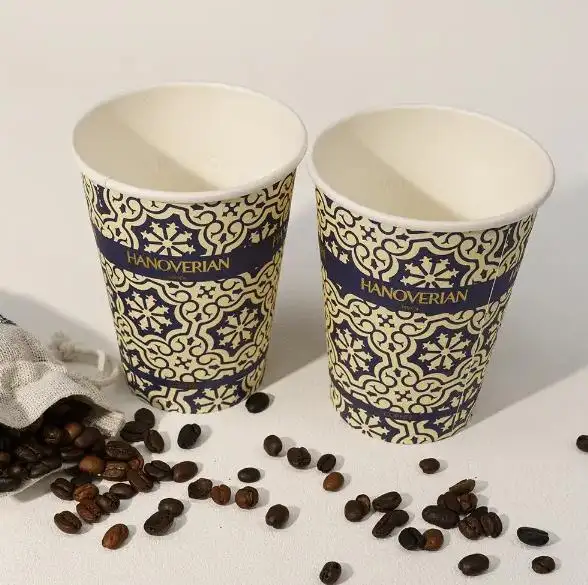
Branding and Print That Won't Compromise Safety
Your cup is a roaming billboard. Done well, it reinforces your identity at scale; done poorly, it bleeds, smears, or leaches inks where they shouldn't be.
• Ink and compliance: Specify low-migration, water-based inks suitable for food-contact packaging. If you operate in the United States or EU, request documentation aligning with FDA 21 CFR and EU Regulation 1935/2004. If your supply chain spans multiple markets, ask for a consolidated declaration of conformity.
• Visual quality: Insist on sharp CMYK or Pantone matches, tight registration on curves, and consistent solids without banding. Consider a light overprint varnish to boost scuff resistance during transport. Keep text above 6 pt for legibility and avoid complex fine lines near the seam where distortion is most likely.
• Design practicality: Reserve a small area for disposal icons and temperature guidance. A clear “recycle where accepted” or “industrial compost only” badge prevents angry emails and bin contamination. On double-wall cups, use the layered texture to your advantage with simple, bold marks that read at arm's length.
Sustainability and Compliance Without Greenwashing
Guests and corporate buyers have become better at spotting inflated claims. Harmonize on-pack claims with municipal capabilities and applicable food-contact frameworks.
• Recyclability: PE-lined cups depend on access to poly–fiber separation during pulping; acceptance varies by MRF/mill. Maintain documented local positions and staff guidance.
• Compostability: PLA and select barriers may qualify for industrial composting when certified (EN 13432/ASTM D6400) and supported by collection agreements. Claims must be evidence-backed to avoid contamination.
• Responsible fiber: Specify FSC chain-of-custody to meet sustainability criteria and audit traceability.
• Food-contact and temperature: Validate coating/ink compliance and stability for hot service (≈60–70°C). Obtain migration testing summaries aligned to your jurisdiction's requirements.
In short, make honest, location-specific claims. Your sustainability story is stronger when it matches how your customers actually dispose of their cups.
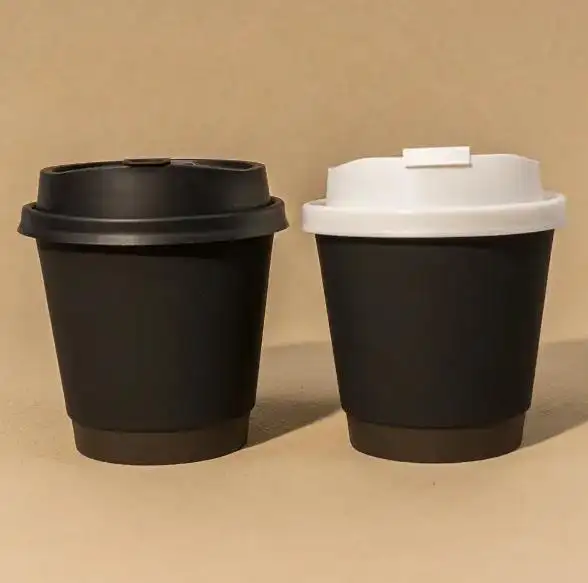
Premium Finishes for Disposable Coffee Paper Cups
• Hot Stamping Double Wall: Luxurious gold-foil branding and matte finish; sleeve-free insulation and secure grip; food-grade paper, low-migration foil/inks; rolled rim and tight seam for anti-leak; custom foil zones/sizes - ideal for cafés, bakeries, boutique hotels.
• Holographic Double Wall: Rainbow foil for high-impact brand recall; strong insulation and comfortable hold; premium cupstock with food-safe coating; stable base plug and tight lid fit; full-wrap artwork and event-ready layouts - great for dessert bars, pop-ups, promotions.
• Custom Embossing: Premium tactile grip; comfortable heat handling; compliant papers/inks; reinforced base; custom patterns/zones/logos for specialty coffee and catering.
• Sponge Texture Double Wall: Soft-touch luxury; strong heat barrier and grip; food-safe multi-layer; precise seams; sizes/printing tailored for chains, lounges, and premium service.
• UV Matte With Spot UV: Refined matte body with glossy logo pop; dry-touch comfort and reliable insulation; food-contact compliant substrates/coatings; tight rims and bases to prevent drips; Pantone-matched branding and broad size runs for cafés, events, and hotels - all engineered as Disposable Coffee Paper Cups.
Final Words
When you pair the right barrier with smart sizing, solid construction, and honest sustainability, Disposable Coffee Paper Paper Cups become more than consumables - they become a dependable part of your quality promise. Choose well, and every cup will carry your brand a little further, one sip at a time.
Written by
ypak.coffee
ypak
YPAK PACKAGING GROUP was established in 2011 and formed with 3 companies based on Hongkong, Dongguan and Foshan. We have become one of the largest coffee bag manufacturers in China. We use the best quality WIPF valves from Switzerland to keep your coffee fresh.
Conform to the plastic ban policy imposed to many different countries, we have researched and developed the sustainable packaging bags, such as RECYCLABLE and COMPOSTABLE pouches.
No minimum quantity, no color plates are required with our HP 25K INDIGO DIGITAL PRINTING service.
You are welcome to visit YPAK.
Related Articles
Two Gates on the Road to the EU: Reduction by Design and the Documentation Chain for Coffee Packaging

Recyclable Coffee Bags: How to Protect Freshness Without Compromising Sustainability

Your Brand, Perfectly Packaged: The YPAK Guide to Selecting a High-Quality Custom Coffee Bag