

Updated 6 months ago
What Is the Best custom printed coffee packaging?

ypak.coffee
YPAK PACKAGING GROUP was established in 2011 and formed with 3 companies based on Hongkong, Dongguan and Foshan. We have become one of the largest coffee bag manufacturers in China. We use the best quality WIPF valves from Switzerland to keep your coffee fresh.
Conform to the plastic ban policy imposed to many different countries, we have researched and developed the sustainable packaging bags, such as RECYCLABLE and COMPOSTABLE pouches.
No minimum quantity, no color plates are required with our HP 25K INDIGO DIGITAL PRINTING service.
You are welcome to visit YPAK.
What Is the Best custom printed coffee packaging?
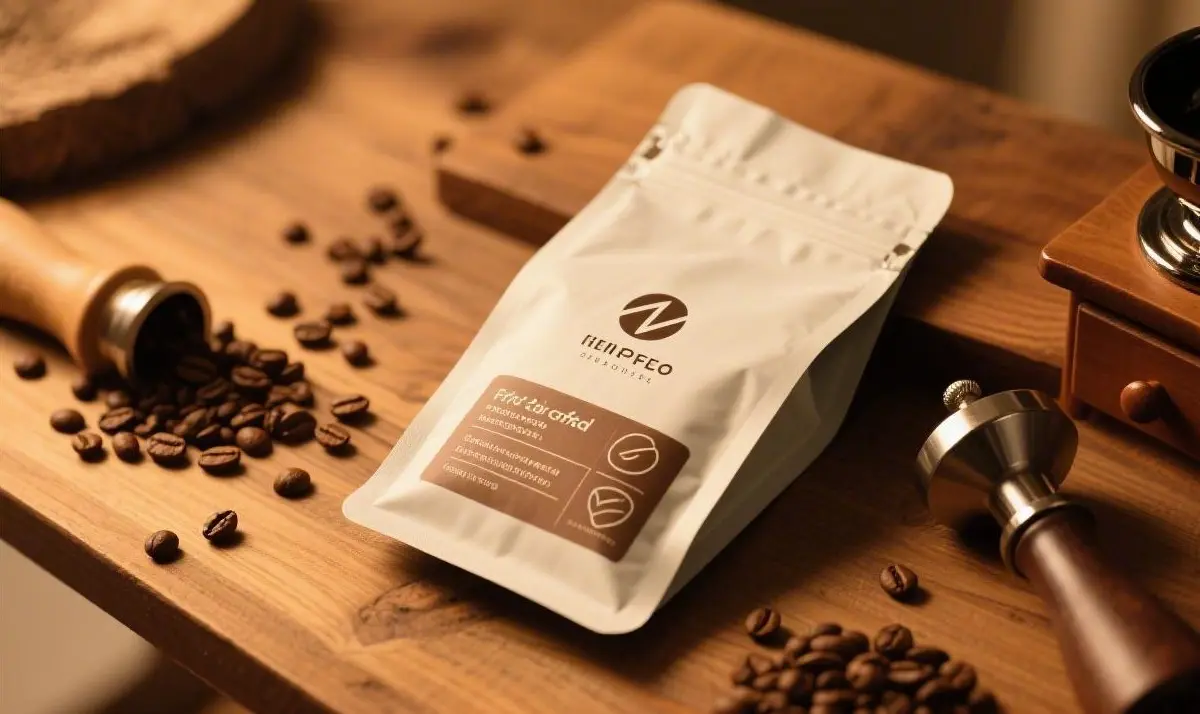
Coffee packaging is not a mere container, it is a very serious element that defines freshness, shelf life, consumer experiences and brand perception. As a coffee roaster, distributor, or a private label brand, the right packaging can make a direct difference on the quality of the product and sales.
In this guide, we will be discussing the most optimal packaging choices with coffee, essential materials, and selecting the most appropriate solution to your business.
The value of Coffee Packaging.
Coffee is very sensitive to the environment. The principal coffee enemies are:
· Oxygen
· Moisture
· Light
· Heat
These components cause oxidation, loss of flavor and staleness. In fact, the reaction between oxygen and coffee oils, and thus rancidity and bland taste are acquired with time.
This is the reason why good packaging should be a guard to protect the aroma, flavor and freshness of goods produced until they are consumed.
The Best Coffee Packaging contains a number of features.
In order to guarantee the best performance, the coffee packaging must have the following critical features:
1. High Barrier Protection
The most crucial aspect in the process of choosing packaging is barrier performance. Good blocking materials must block:
· Oxygen (to prevent oxidation)
· Moisture (to prevent clumping and molding)
· UV light (to withstand preservative)
Very low oxygen transmission rates can be obtained with high-barrier laminated materials that can preserve the coffee freshness of 12-18 months.
2. One-Way Degassing Valve
Carbon dioxide (CO 2) is emitted during fresh coffee roasting. Lack of ventilation may cause packaging to swell or even burst.
A one-way release valve enables the de-gassing of CO 2 but does not allow oxygen to pass. This is necessary in keeping it fresh and in avoiding oxidation.
3. Strong Sealing & Durability
The packaging should be able to withstand the transportation, handling, and storing conditions. Hard-wearing materials, which have good seals, help to avoid leakage and contamination.
Polyethylene (PE) is used as heat-sealable layers that guarantee the safety of the product and airtight closure.
4. Re sealability in Convenience of Consumers.
Consumers in the present day demand convenience. Features like:
· Zip locks
· Press-to-close seals
assistance to keep fresh once opened and enhance user experience.
Most Popular Coffee Packaging.
Various types of packaging can be applied to meet various needs based on your product, intended market and sustainability objectives.
1. Foil Laminated Bags (Best Overall)
Foil laminate bags are believed to be the best in packing coffee.
PET / Aluminum / PE Structure example.
Benefits:
· Superb oxygen as well as moisture barrier.
· Blocks 100% of light
· Increases shelf life to a great extent.
Premium coffee brands that are packaged in these multi- layer bags are popular due to the fact that maximum protection is offered.
2. Metallized Film Bags (Economical Alternative)
Metallized polyester (MET-PET) is just like the aluminum foil but it is cheaper.
Advantages:
· Good barrier properties
· Lightweight and flexible
· Improved branding surface.
This is the best choice when the brand is in the middle ground; it is mid-tiered.
3. Kraft Paper Bags with Inner Lining.
Kraft paper bags sell well as they have a natural and eco-friendly look.
Nevertheless, kraft paper does not do well at barrier performance. It is normally overlaid with an inner coating like foil and plastic so that it is protective.
Best for:
· Specialty coffee brands
· Such positioning is organic or artisanal.
4. Sustainable Packaging and Compostable Packaging.
As environmental awareness grows, most brands are moving towards more environmentally friendly materials including:
· PLA (polylactic acid)
· Cellulose-based films
These are moderate barrier protection with relevance to coffee having shorter shelf life (36 months).
5. Vacuum Packaging & Nitrogen-Flushed Packaging.
The advanced packaging techniques involve:
· Vacuum sealing - eliminates oxygen.
· Nitrogen flushing - uses inert gas in place of oxygen.
The methods reduce oxidation and shelf life dramatically thus they are suitable in the export markets.
How to select the best Coffee Packaging to your Business.
The choice of the optimal packaging is based on a number of factors:
1. Shelf Life Requirements
· Short-term (local sales): compostable or kraft.
· Long-term (export): nitrogen flushing foil laminate.
2. Product Type
· Whole beans: they need valves to allow beans to be degassed.
· Ground coffee - want better oxygen barrier.
3. Target Market
· Quality brands → high-resistance, custom-printed packaging.
· Budget products Cost-effective metallized films.
4. Sustainability Goals
Environmental friendly consumer is interested in recycled or compostable packaging. But maintain the sustainability of the balance and performance without undermining the quality of the products.
Packaging Design Impact and Branding Impact.
In addition to functionality, packaging is an important component of marketing.
Good packaging of coffee must:
· Communicate brand identity
· Point of origin and roast character.
· Apply good colors and finishing.
Customers usually come into contact with your product through packaging and this can be described as a potent selling tool.
Common Mistakes to Avoid
The following are some of the pitfalls to be avoided when selecting coffee packaging:
· Working with low-resistance substances (results in tasteless coffee)
· Degassing valves Fresh bean Ignored.
· Valuing the look over the work.
· Failure to test the durability of packaging.
Ineffective packaging may harm the quality of products as well as brand name.
Coffee Packaging Trends in the future.
Coffee industry is transforming and packaging trends are adopting a shift towards:
· Mono-material packaging which can be recycled.
· Intelligent packaging with indicators of freshness.
· Sustainable and minimalists designs.
Those brands which choose new innovative approaches to packaging will acquire a competitive edge in the international market.
Conclusion
An ideal coffee package is one with high barriers protection, functionality and strong branding.
In the case of the majority of businesses, foil laminate bags with a degree of a foil valve are the best option as they are the ones that store a lot of freshness. In the meantime, eco-friendly consumers are giving more preference to sustainable alternatives.
In the end, it will be right packaging based on your product, market, and positioning of a brand. Investing in coffee packaging that is of high quality will not only help preserve your product, but also increase customer satisfaction and brand success in the long term.
Written by
ypak.coffee
ypak
YPAK PACKAGING GROUP was established in 2011 and formed with 3 companies based on Hongkong, Dongguan and Foshan. We have become one of the largest coffee bag manufacturers in China. We use the best quality WIPF valves from Switzerland to keep your coffee fresh.
Conform to the plastic ban policy imposed to many different countries, we have researched and developed the sustainable packaging bags, such as RECYCLABLE and COMPOSTABLE pouches.
No minimum quantity, no color plates are required with our HP 25K INDIGO DIGITAL PRINTING service.
You are welcome to visit YPAK.
Related Articles
Two Gates on the Road to the EU: Reduction by Design and the Documentation Chain for Coffee Packaging

Recyclable Coffee Bags: How to Protect Freshness Without Compromising Sustainability

Your Brand, Perfectly Packaged: The YPAK Guide to Selecting a High-Quality Custom Coffee Bag