

Updated 7 months ago
Compostable Flat Bottom Coffee Bags Explained (2026): Freshness, Materials, And Real Disposal

ypak.coffee
YPAK PACKAGING GROUP was established in 2011 and formed with 3 companies based on Hongkong, Dongguan and Foshan. We have become one of the largest coffee bag manufacturers in China. We use the best quality WIPF valves from Switzerland to keep your coffee fresh.
Conform to the plastic ban policy imposed to many different countries, we have researched and developed the sustainable packaging bags, such as RECYCLABLE and COMPOSTABLE pouches.
No minimum quantity, no color plates are required with our HP 25K INDIGO DIGITAL PRINTING service.
You are welcome to visit YPAK.
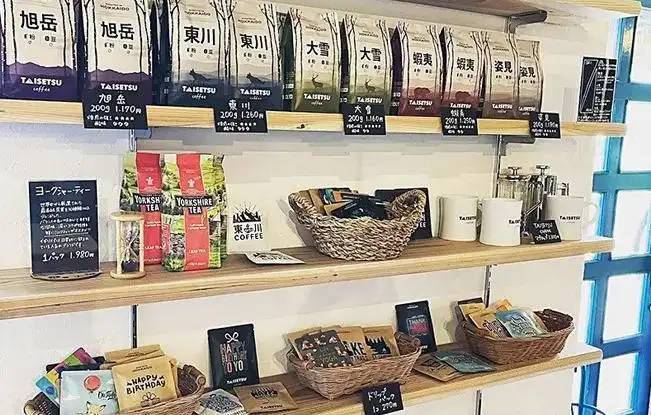
compostable flat bottom coffee bags
In 2026, Compostable Flat Bottom Coffee Bags have become a strategic packaging choice for coffee brands that want credible sustainability claims, strong shelf presence, and a bag customers can actually use and dispose of correctly. At YPAK, we produce compostable formats for roasters and private-label teams who want eco positioning without sacrificing day-to-day performance on filling lines, in shipping cartons, and on retail shelves.
This guide breaks the topic down in plain language: what "compostable" means, how PLA and PBAT work, what changes for freshness, and how to reduce the biggest real-world failure point—disposal confusion.
What "Compostable" Really Means (And Why "Biodegradable" Is Not Enough)
"Biodegradable" is often used as a feel-good word, but it is too vague to guide packaging decisions. Compostable claims are different because they require test-based proof under defined conditions. For coffee packaging, that distinction matters, because your bag is not only a sustainability message—it is also a barrier system protecting aroma.
A truly compostable package is designed to:
✅ Break down into water, CO₂, and biomass within a defined timeframe under composting conditions
✅ Leave no toxic residue that harms soil health or plant growth
✅ Meet strict limits on heavy metals and other restricted substances
One common misunderstanding is that compostable packaging should go into recycling. In reality, compostables and recyclables follow different end-of-life paths. When compostable films enter standard plastic recycling streams, they can reduce sorting quality and contaminate outputs. That is why many recycling facilities reject them—even when your intention is positive.
At YPAK, we treat compostability as a system, not a single material choice: the bag structure, the printed claim, the icons, and the disposal instruction must match how customers behave in the real world.
PLA Vs PBAT For Beginners: Why Compostable Films Are Usually Blends
Most Compostable Flat Bottom Coffee Bags rely on material blends, not one "perfect" film. Two names show up repeatedly: PLA and PBAT. Each one solves a different practical problem.
PLA (Polylactic Acid) is often derived from plant-based sources like corn starch or sugarcane. It can feel similar to traditional plastic film in appearance, and it can break down faster under industrial composting conditions. PLA also tends to be stiffer, which helps structure, but stiffness can create challenges at folds, creases, and sealing areas if the film is not engineered carefully.
PBAT is frequently described as petroleum-based, but it is engineered to be compostable. Its job is flexibility and toughness. Without PBAT (or a similar flexible component), PLA-heavy films can be brittle, more likely to crease poorly, and more likely to show stress at corners—especially in flat bottom formats where folds do real work.
A simple way to remember the relationship:
• PLA contributes shape and structure
• PBAT contributes flex and durability
Many buyers discuss a "balance point" approach (for example, a PLA/PBAT blend) because the real goal is not to win a material argument—it is to produce a bag that runs on equipment, survives shipping, and still aligns with composting requirements.
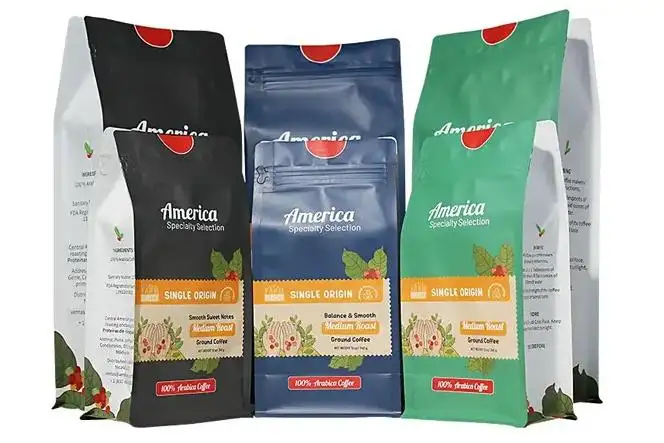
Why Flat Bottom Construction Still Wins for Shelf Impact (Even in Compostables)
Flat bottom bags exist for a reason: they stand upright, they present a clean front panel, and they use shelf space efficiently. Compostable versions can deliver the same retail-ready look, but they require smart structure selection because the corners and base folds are stress points.
At YPAK, Compostable Flat Bottom Coffee Bags are often built as paper + compostable film combinations, depending on filling method, shipment distance, and the "hand feel" a brand wants. Common structure directions include:
✅ Kraft Paper / Compostable Film Layers for a natural look and stronger stiffness
✅ Kraft Paper + More Flexible Compostable Layer for improved fold tolerance and sealing stability
✅ Cotton-Style Paper / Compostable Film Layers for a premium tactile finish and higher-end branding
These are not minor details. Structure influences whether the bag stays upright after shipping, whether the corners collapse in storage, and whether the customer perceives "eco" as premium or as fragile.
If your product story is eco-forward and design-driven, a flat bottom compostable format can signal quality immediately—without relying on glossy, conventional plastic aesthetics.
Freshness in Compostables: The Trade-Off Brands Must Plan Around
Freshness is where sustainability becomes technical. Coffee stales primarily due to oxygen exposure (and secondarily due to moisture, heat, and light). Traditional high-barrier laminations—especially those using aluminum-based layers—are extremely effective at limiting oxygen transmission. Compostable films typically provide a weaker oxygen barrier.
In practice, this can mean:
• Aroma can fade sooner
• Peak flavor notes may not hold as long, especially for lighter roasts
• Your "best-by" strategy may need adjustment based on your route-to-market
So what should a brand do if it still wants Compostable Flat Bottom Coffee Bags?
✅ Match the bag to your distribution speed (faster cycles perform better)
✅ Use compostable formats for higher-turnover SKUs, seasonal drops, or DTC rotations
✅ Communicate roast date clearly and manage inventory tighter
✅ Pair the bag choice with realistic shelf-life expectations, not wishful thinking
At YPAK, our role is to help buyers choose a compostable structure that fits the real supply chain. The most common mistake we see is selecting compostable packaging based on messaging alone, then discovering later that the product's sales cycle is too slow for that barrier profile.
The Biggest Failure Point Is Not Materials—It's Disposal Confusion
Even the best compostable structure fails if customers do not know where to put it. Compostable packaging often requires industrial composting access, which is not consistent across regions. Many well-meaning customers still throw compostables into general trash because disposal feels uncertain in the moment.
That is why the packaging design must teach, quickly and clearly.
Here are three practical ways brands reduce confusion:
✅ Use simple icons (industrial composting, do-not-recycle, check local rules)
✅ Add a QR code that explains disposal in 15 seconds
✅ Provide one short "answer line" for retail staff: "Industrial composting where available—do not place in recycling."
At YPAK, we build disposal guidance into the artwork system—so the sustainability message becomes actionable, not symbolic. A compostable bag that customers can't dispose of correctly becomes a branding risk, not a branding win.
Cost and Pricing: How Brands Make Compostable Formats Work Commercially
Compostable materials usually cost more than conventional flexible packaging, and production can require more careful processing. Depending on your bag design, ink system, and order volume, compostable options can come at a noticeable premium.
But cost doesn't capture the full value. Compostable packaging can create value when the product positioning is aligned. If your brand story genuinely supports sustainability—and your customer base cares—then packaging can justify a higher price point and strengthen loyalty.
The practical way to make the switch work is not an all-or-nothing rollout. We favor a proof-first rollout:
✅ Launch one eco edition SKU in Compostable Flat Bottom Coffee Bags
✅ Monitor sell-through and feedback for 60–90 days
✅ Review returns/complaints (especially disposal questions)
✅ Scale only once inventory and messaging are consistent
This protects margin and prevents the costly pattern of higher unit costs and weaker sell-through caused by unclear packaging shifts.
How YPAK Helps Brands Choose the Right Compostable Specification
Compostable packaging should not be a guessing game. At YPAK, we support brands by aligning the bag spec with how coffee is actually produced, sold, and consumed. The "right" compostable structure depends on your coffee type, format (whole bean or ground), shipping distance, channel mix, and target shelf window.
When you share three inputs, we can recommend a realistic direction:
• Coffee format + degassing needs (and whether you need a valve)
• Your primary channel (retail, DTC, wholesale, subscription)
• The shelf-life window you must achieve in real operations
Call to Action
If you are planning a 2026 packaging upgrade, YPAK can help you select Compostable Flat Bottom Coffee Bags that balance PLA vs PBAT behavior, flat-bottom strength, and clearer disposal messaging. Share your coffee type, selling channel, and target shelf life, and our team will recommend a spec that fits your workflow and brand story.
Written by
ypak.coffee
ypak
YPAK PACKAGING GROUP was established in 2011 and formed with 3 companies based on Hongkong, Dongguan and Foshan. We have become one of the largest coffee bag manufacturers in China. We use the best quality WIPF valves from Switzerland to keep your coffee fresh.
Conform to the plastic ban policy imposed to many different countries, we have researched and developed the sustainable packaging bags, such as RECYCLABLE and COMPOSTABLE pouches.
No minimum quantity, no color plates are required with our HP 25K INDIGO DIGITAL PRINTING service.
You are welcome to visit YPAK.
Related Articles
Two Gates on the Road to the EU: Reduction by Design and the Documentation Chain for Coffee Packaging

Recyclable Coffee Bags: How to Protect Freshness Without Compromising Sustainability

Your Brand, Perfectly Packaged: The YPAK Guide to Selecting a High-Quality Custom Coffee Bag