

Updated 6 months ago
coffee packaging line: Optimizing Frac Pack Production Efficiency

ypak.coffee
YPAK PACKAGING GROUP was established in 2011 and formed with 3 companies based on Hongkong, Dongguan and Foshan. We have become one of the largest coffee bag manufacturers in China. We use the best quality WIPF valves from Switzerland to keep your coffee fresh.
Conform to the plastic ban policy imposed to many different countries, we have researched and developed the sustainable packaging bags, such as RECYCLABLE and COMPOSTABLE pouches.
No minimum quantity, no color plates are required with our HP 25K INDIGO DIGITAL PRINTING service.
You are welcome to visit YPAK.
coffee packaging line: Optimizing Frac Pack Production Efficiency
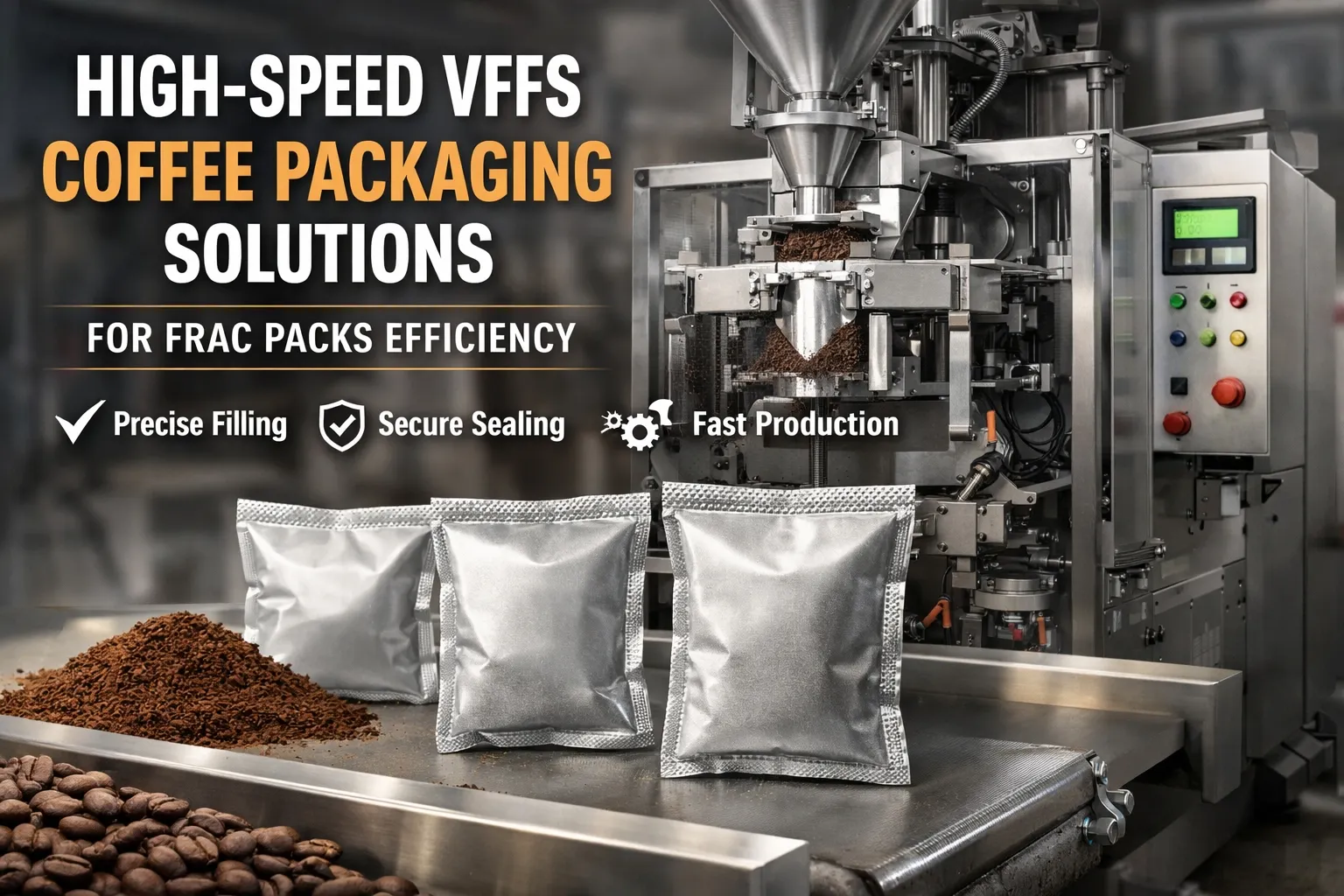
In the modern competitive coffee business, there are no longer such things as optional efficiency, consistency, and speed, but absolute necessities. With the ever-growing need of convenient, pre-measured coffee in the foodservice industries including hotels, restaurants and convenience stores, the pressure on the manufacturers to increase the production volume without compromising the quality has continued to mount.
Advanced VFFS (Vertical Form Fill Seal) coffee packaging systems are one of the best methods to satisfy this demand, and are intended to produce coffee frac packs. Nevertheless, there is much more than just picking a machine with the highest output rate in order to ensure a high-speed performance.
This paper discusses optimizing coffee packaging business using the correct equipment in terms of speed, package integrity, and precision in filling.
What Are Coffee Frac Packs?
Fractional packs (fractional packs, or coffee frac packs) are ready-portioned portions of ground coffee, generally made to make a regular strength cup of coffee. The popularity of these packs in North America and other large foodservice markets is because they are convenient and efficient.
As opposed to retail coffee packaging, frac packs must include:
· High throughput production
· Precise weight control
· Durable packaging to maintain freshness.
Due to these needs, it is important to ensure that the appropriate packaging equipment is chosen in order to achieve success in operations.
The Reason Speed is not enough in Coffee Packaging.
In comparison of VFFS machines, speed is a major consideration by many manufacturers, usually in terms of bags per minute. Although this metric is necessary, it may be deceptive when taken alone.
The speed is in fact just one of the elements. The real efficiency of production requires the balance between:
· The characteristics of products (density, flowability, dustiness)
· film type, thickness, recyclability: packaging materials.
· Synchronization and control systems of machines.
A machine that is rated as having 300 bags per minute as the output rate might not maintain that rate in the case it fails to adjust to the real-life conditions like coffee particle interference or varying product flow.
High-Speed Coffee Frac Pack Production Key Factors.
1. Accuracy and Product Consistency Filling.
To control costs and customer satisfaction, it is necessary to fill it correctly. Poor filling consistency may result in:
· Poorly packed packages (quality problems)
· Overstocking (loss of products and profit at the same time)
The feeding head pressure is one of the common causes of inaccuracy. High-technology auger filling systems that have regulated feeding mechanisms can be used to achieve uniform density and enhance accurateness- typically within a range of 0.5.
Also, the packaging line should be equipped with checkweighers, which will make it possible to adjust the package in real-time, which will guarantee the same output level in the production runs.
2. Seal Integrity and Product Freshness.
Oxygen exposure is a critical issue as far as coffee packaging is concerned. Poor sealing can lead to:
· Loss of aroma and flavor
· Reduced shelf life
· Product spoilage
The threat of the seal area to be contaminated by coffee particles becomes higher at higher speeds. In response to this, the VFFS systems of the present day include:
· Smart seal identification technologies.
· Long sealing hold times.
· The use of controlled heat.
These properties assist in keeping the seals of the packages strong and hermetic and avoid damaging the packaging film.
3. Effective Material Handling and Film Control.
Packaging material is significant in the efficiency of production. Lack of good handling of films may lead to:
· Wrinkling
· Misalignment
· Increased waste
Advanced systems use:
· Precise tension control
· Powered film unwinding
· Fits with recyclable or paper based materials.
In addition to enhancing efficiency, these innovations can be utilized to advance sustainability efforts, which gain momentum within the coffee industry.
4. Line Integration and Synchronization.
The problem with coffee lines packaging is a frequent mismatch of various machines, which include fillers, baggers, cartoners, among others, particularly when they are purchased by various suppliers.
Although every single component may be effective in isolation, absence of synchronization may cause bottlenecks, which will lower the overall throughput.
One-stop solutions that are integrated to provide:
· Lossless inter- component communication.
· HMI (Human Machine Interface) Centralized control.
· Less downtime and complexity of maintenance.
This single-source solution is a reasonable way so that everything on the packaging line is coordinated.
5. Control of Bag Headspace and Product Behavior.
Some varieties of coffee like dark roast can be difficult because of the reduced density and floating qualities. This may cause too much increase in headspace in the package.
Solutions include:
· Adjustable drop-down height systems.
· Optimized filling processes.
· Controlled product flow
The advantage of reducing the headspace is not only to enhance the quality of the packaging but also to reduce the amount of materials used and expenses.
The definition of True High-Speed Coffee Packaging.
But what is the meaning of high speed as far as coffee packaging is concerned?
It is not only about maximum output, but it is about reliable performance in the actual production conditions.
An actual high-speed system ought to:
· Keep proper fill weights.
· Make sure there are good seals.
· Minimize downtime and waste
· Work effectively between shifts.
Indicatively, contemporary VFFS coffee packing machines can produce frac packs of up to 100 bags in an hour and also deliver quality products.
The Significance of Total Cost of Ownership (TCO)?
In the event of investing in coffee packaging equipment, one has to look past the cost of the equipment when making the purchase.
Key cost factors include:
· Giveaway of products because of wrong filling.
· Poor sealing or handling Film waste.
· Downtime and maintenance
· Energy consumption
An effective system that is of high quality and more accurate and efficient can incur lower operational costs over the long-term providing a greater payoff.
Coffee Packaging Technology: Future.
With the changing dynamics of the coffee industry, the technology of packaging is also changing to suit the demands such as:
· Green packaging materials.
· Low oxygen concentrations by gaseous flushing.
· Built in de-gas valves.
· More automation and data-controlled systems.
These inventions are assisting the manufacturers to become efficient in terms of meeting consumer demands of freshness and ecological accountability.
Findings: Selecting the Appropriate Coffee Packaging Solution.
Choosing VFFS coffee packaging system is a tactical move that will influence the whole operation. As much as speed is required, it must not at the expense of accuracy, seal quality or system reliability.
In order to perform optimally, manufacturers need to pay attention to:
· Integrated system design
· Accurate filling technology.
· Advanced sealing solutions
· Material handling is efficient.
· Lasting efficiency of the operation.
Through a comprehensive approach to the choice of equipment, coffee producers are able to maximize productivity, minimize wastage and remain competitive in an industry that is rapidly developing.
Written by
ypak.coffee
ypak
YPAK PACKAGING GROUP was established in 2011 and formed with 3 companies based on Hongkong, Dongguan and Foshan. We have become one of the largest coffee bag manufacturers in China. We use the best quality WIPF valves from Switzerland to keep your coffee fresh.
Conform to the plastic ban policy imposed to many different countries, we have researched and developed the sustainable packaging bags, such as RECYCLABLE and COMPOSTABLE pouches.
No minimum quantity, no color plates are required with our HP 25K INDIGO DIGITAL PRINTING service.
You are welcome to visit YPAK.
Related Articles
Two Gates on the Road to the EU: Reduction by Design and the Documentation Chain for Coffee Packaging

Recyclable Coffee Bags: How to Protect Freshness Without Compromising Sustainability

Your Brand, Perfectly Packaged: The YPAK Guide to Selecting a High-Quality Custom Coffee Bag