

Coffee bean packaging bag value
In the present competitive coffee market, as a specialty coffee roaster, single label coffee brand, distributor, or an online eCommerce retailer, you already know that the source of beans and the roasting characteristics determine espressiveness. Nevertheless, a lot of businesses do not notice one important factor which influences the freshness, aroma preservation, brand image and customer loyalty directly:
Coffee packaging.
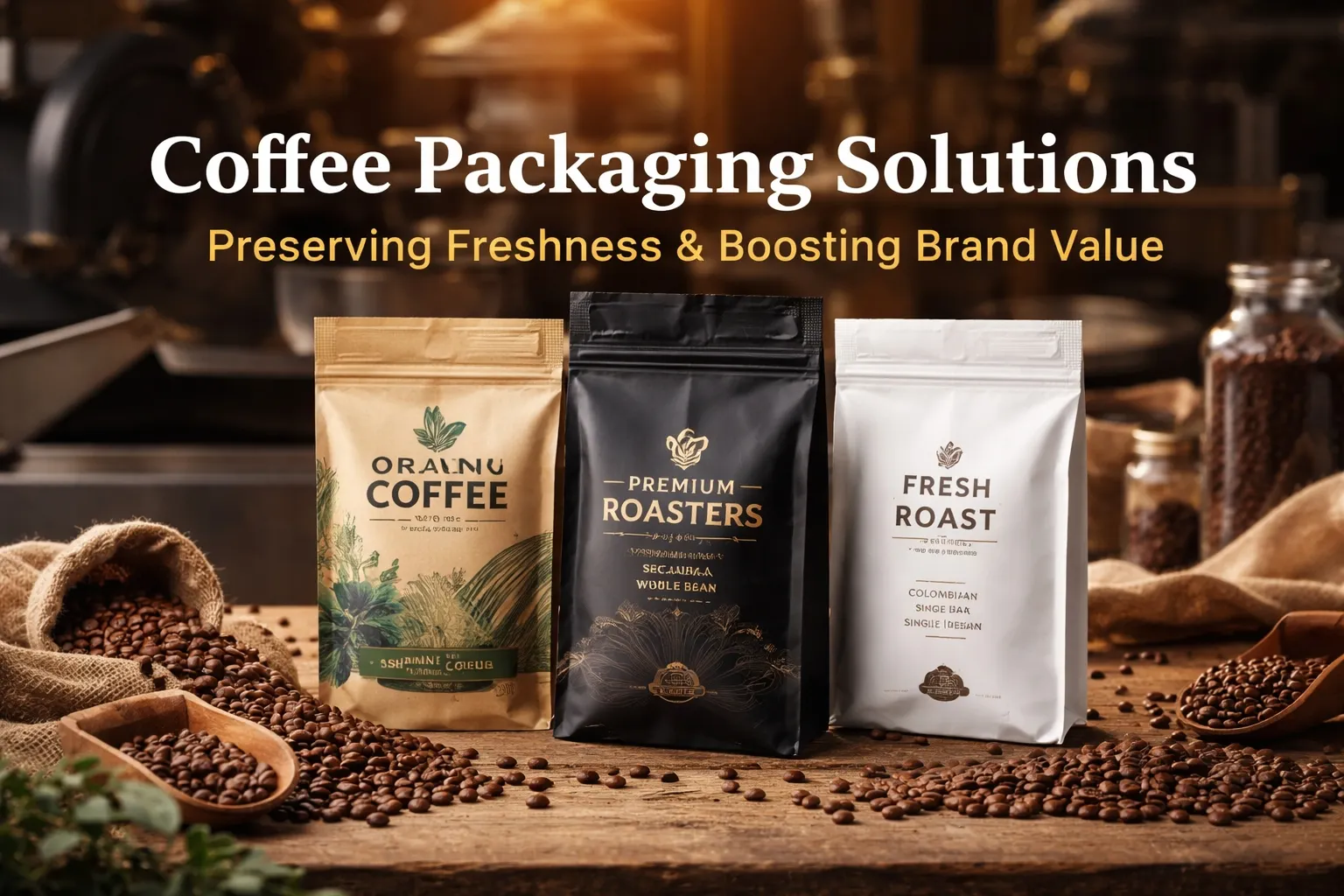
The correct coffee bags are much more than bean bags because they preserve the integrity of products, convey brand identity, enhance shelf life and even affect online search results. In this article we discuss the way in which coffee packaging can really matter and how to select the most suitable solution to your market.
1. The Main Idea of Coffee Packaging: To keep the Freshness and the Taste.
The coffee beans release carbon dioxide (CO 2) after the roasting process. Lack of proper packaging may lead to the explosion or bursting of bags due to this gas buildup. Meanwhile oxygen, moisture, heat, and light may gain access to the bag, increasing the rate at which oxidation occurs and ruining flavor compounds.
Premium coffee bags made are meant to:
· Degas and release CO 2 via a one-way valve.
· Seal oxygen recapitalization.
· Eliminate moisture encroachment.
· Prevent exposure to UV light.
· Ensure the internal stability of storage and transportation.
Oxygen happens to be one of the largest enemies of roasted coffee. The aromatic oils are volatile and once exposed they break down rapidly resulting in a flat stale taste. Moisture may also lead to the growth and formation of molds or clumping. That is why professional coffee bean packaging systems are based on multi-layer barriers material to increase shelf life and maintain the quality of the cup.
Durable packaging is further crucial in the case of roasters who will export to other countries or sell online since shipping time is longer, and weather conditions may change.
2. Types of Coffee Bags and their uses.
Different coffee brands will need different packaging styles according to positioning, distribution channels and storage requirements. The most typical ones found in the international market are listed below.
Stand-Up Pouches (Doypack)
The most popular type of coffee packaging is stand-up pouches that are used in retail. They are portable, economical and attractive.
Key benefits:
· Good shelf display presence.
· Fits through resealable zippers.
· Can integrate one-way valves
· Ideal for 250g, 500g, and 1kg packaging
These are popular among specialty coffee brands and online sellers since they provide protection as well as flexibility in branding.
Flat Bottom Bags (Box Pouches)
The flat bottom coffee bags have a more professional and designed look. They are more stable and have bigger areas to be printed in order to be branded.
Advantages:
· The luxury seek specialty positioning.
· Better shelfing in retail outlets.
· Increased space on origin information, roast profile and storytelling.
· Great when it comes to boutique coffee brands.
When you want to establish your coffee as high-end or as an artisan one, flat bottom bags take the brand perception to a higher plane at once.
Aluminum Foil and Multi-layer barrier bags.
In order to be totally covered, particularly in the wet or tropical climate, the laminated coffee bags with aluminum are usually chosen.
They provide:
· Superior oxygen barrier
· Strong moisture resistance
· Light protection
· Longer shelf life
They are especially applicable to:
· Bulk export shipments
· Wholesale distribution
· Long-distance transportation
· High-temperature markets
The barrier performance must feature high up the queue in case you are targeting Southeast Asia, the Middle East, or coastal areas.
Green and Environmentally Friendly Coffee Packaging.
Sustainability has ceased to be an option but a competitive advantage. People around the world are also environmentally conscious and demand brands to minimize plastic wastes.
Eco-friendly coffee packaging material will comprise:
· Laminated pouches made of kraft paper.
· Recyclable mono material bags.
· Compostable coffee bags
· Biodegradable films
Green packaging does not only lessen harm to the environment, but also enhances brand loyalty and appeals to the green consumers. The use of recyclable or compostable labels on many recent coffee brands is now eminent on their marketing approaches.
3. Coffee Packaging as a Branding and Market-making Tool.
Customers usually have the initial physical contact with your brand through your coffee bag. The packaging of a product will determine the buying choice online as well as in shops.
An effective coffee packaging design must:
· Place of origin (e.g. Ethiopia, Colombia, Indonesia)
· Being explicit about the level of roast and taste notes.
· Apply pleasant colors in accordance with brand identity.
· Included brewing instructions.
· Present certifications (Organic, Fair Trade, etc.)
Images of packaging in eCommerce have a great influence on the number of clicks and conversions. Customers trust clean typography, heavy color contrast, and professional mockups.
Also, including QR codes connecting brewing instructions or brand narratives makes people more engaged and buy more.
4. Packaging the Future of Coffee: Innovation and Responsibility.
The consumption of coffee in the world is still increasing with the packaging wastes. With the increase in environmental regulation, brands will have to reconsider the material choice and environmental impact.
Coffee packaging in the future encompasses:
· Mono-material structures can be recycled.
· Reduced plastic usage
· Carbon footprint disclosure.
· Circular packaging initiatives.
· Local market refillable systems.
The competitive advantage of the sustainable coffee packages is more advanced by brands that are able to implement them at an early stage, particularly the younger customers who will appreciate the brands that are environmentally friendly.
Investment in new package today enhances brand equity in the long term.
Summary: Coffee Packaging Coffee Packaging is not Cost, It is an Investment.
Selecting the appropriate coffee bags brings the following quantifiable returns:
✔ Extends shelf life
✔ Preserves aroma and flavor
✔ Covers on export and shipping.
✔ Strengthens brand identity
✔ Raises retail and eCommerce conversion rates.
✔ Contributing to sustainability.
To coffee roasters, distributors, and private-label brands packaging is not a container, but a strategic asset.
You are either starting a new coffee company or you are renovating your packaging, choosing quality packaging solutions will make your coffee beans perform remarkably well in the market and increase your competitiveness.

Written by
ypak.coffee
ypak
YPAK PACKAGING GROUP was established in 2011 and formed with 3 companies based on Hongkong, Dongguan and Foshan. We have become one of the largest coffee bag manufacturers in China. We use the best quality WIPF valves from Switzerland to keep your coffee fresh.
Conform to the plastic ban policy imposed to many different countries, we have researched and developed the sustainable packaging bags, such as RECYCLABLE and COMPOSTABLE pouches.
No minimum quantity, no color plates are required with our HP 25K INDIGO DIGITAL PRINTING service.
You are welcome to visit YPAK.
Related Articles
Two Gates on the Road to the EU: Reduction by Design and the Documentation Chain for Coffee Packaging

Recyclable Coffee Bags: How to Protect Freshness Without Compromising Sustainability

Your Brand, Perfectly Packaged: The YPAK Guide to Selecting a High-Quality Custom Coffee Bag