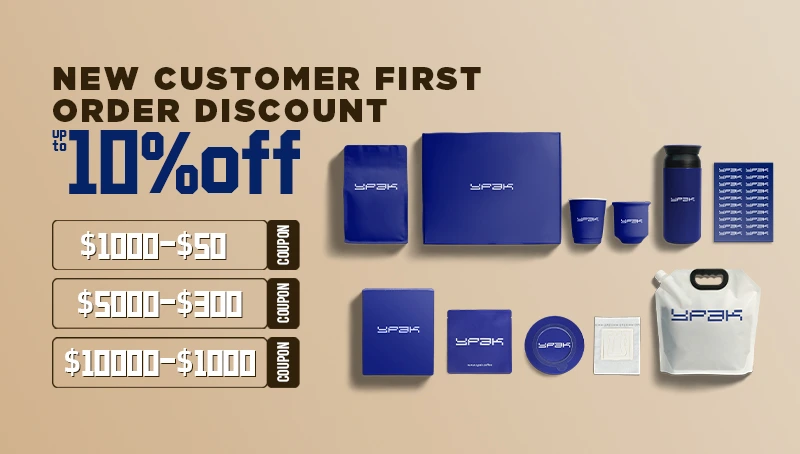



Premium coffee and tea packaging solutions
The coffee and tea packaging is much more than a mere container in the current competitive beverage marketplace, and is a potent branding instrument, an expiry date guard, and a purchase determinant. People do not get to taste your product first before they purchase it. They instead use the packaging to determine quality, value and reliability to a great extent.
In the case of specialty coffee roasters, own-labeled tea brands, and international beverage distribution, a high-quality, functional and attractive packaging solution is a necessary requirement to success in the long-term perspective.
The reason why Coffee and Tea Packaging is more important today than ever.
Sensible commodities are coffee beans and tea leaves. Flavor, aroma, and freshness may easily be spoilt due to exposure to air, moisture, light and changes in temperature. Effective packaging must:
· Keep fresh and perfume.
· Shield against oxygen and humidity.
· Extend shelf life
· Enhance shelf appeal
· Develop brand perception.
· Enhance warehouses and logistics.
Online markets, specialty cafes, or supermarkets, the first and the only chance to attract the attention of consumer is often in packaging. A well-designed package conveys the messages on high quality, sustainability and authenticity in a few seconds.
Full-service Coffee and Tea Packaging.
The contemporary packaging solutions are based on the combination of performance, sustainability and aesthetics. The most popular forms of packaging in the coffee and tea sector include those listed below.
1. Coffee and Tea Flexible Packaging.
Flexible packaging is seen as one of the rapidly expanding packages in the worldwide coffee and tea market. It is so popular due to its versatility and affordability.
Key benefits include:
· Obstetric protection against moisture and oxygen.
· Reclosable (zipper, press-to-close) closures.
· Single-use fresh-roasted coffee valves.
· Skeleton construction to allow low shipping prices.
· Strong brand impact through high-resolution custom printing.
Poor universal formats are stand-up pouches, flat-bottom bags, side-gusset bags and quad-seal bags. These suit whole bean coffee, ground coffee, loose-leaf tea and powdered blends.
Flexible packaging is especially efficient with the brands that refer to North American, European, and fast-developing Asian markets where the presence at the shelf and convenience have a significant impact on the purchasing behavior.
2. Aluminum Containers and Metal Cans.
Metal packaging is also a traditional and high-end choice of specialty coffee and high-end tea products.
Advantages include:
· Better security against light and oxygen.
· Extended shelf life
· High strength structural durability.
· Recyclable and reusable materials.
Aluminum packages, especially, are being extensively utilized in the case of gourmet and limited-edition coffee products. Their top quality adds brand positioning in up-market retailing markets and as a gift.
3. Shipping Cartons and Boxes-Type Corrugated.
In wholesale distribution, e-commerce fulfillment and the export markets, corrugated packaging is important in the protection of goods and cost management.
Benefits include:
· Strong bulk transportation stacking.
· Shipment shock absorption.
· Branding and logistic custom printing.
· Large-scale packaging is made cost-effective.
Corrugated cartons that are well designed enhance efficient supply chains and minimize the rate of products damages, particularly in international shipping.
4. Brand Identity Systems and Labels.
Labels are necessary to convey product information which includes:
· Sources and origin information.
· Roast level / flavor profile.
· Brewing instructions
· Certifications and expiration dates.
· Sustainability claims
Labels with pressure-sensitive and custom adhesive solutions may be used on bags, jars, tins, and bottles. Labeling should be professionally developed to maintain the brand unity across the product lines and retail channels.
The Strategic Worth of Custom Packaging.
Customization no longer is an option, but a competitive requirement.
Increased Freshness Protection.
New packaging technology like multi-layered barrier film and one-way degassing valve enables the coffee to give out carbon dioxide without letting oxygen in. This guarantees optimum flavor retention of new roasted beans.
In the case of tea products, moisture resistant materials maintain the fragrances and eliminate clumping and spoilage.
Better Brand Differentiation.
The advanced printing technologies allow rich colors, high-quality graphics and finish including matte and metallic paints as well as embossing. These factors enhance value perceptions and aid brands to shine in the cluttered retail shelves.
Brand recall and repeat purchases will be considerably higher with unique packaging in a global market where consumers are bombarded with options.
Space Efficiency and Cost Effectiveness.
Flexible packaging has the potential of using less material and weight during transportation compared to rigid containers. This translates into:
· Lower shipping costs
· Less storage space needs.
· Improved pallet efficiency
· Lower carbon footprint
Such benefits are of great significance to exporters and foreign distributors.
Sustainability: Future of Coffee and Tea Packaging.
One of the most essential trends which influence the beverage industry in the world is that of sustainability.
Brands that portray environmental responsibility are becoming more popular among the consumers. Due to this, firms are embracing:
· Recyclable packaging material.
· Films made of compostable and biodegradable material.
· Easyweight material designs.
· Reusable metal containers
· Reduced plastic usage
There is also the increase of stricter environmental regulations by governments in North America, Europe and some parts of Asia. Sustainable packaging is not only an asset to marketing, but it is also becoming a compliance issue.
Companies that make investments in green packaging solutions early enough frame themselves as progressive market leaders.
Selecting the Right Packaging Partner.
Choosing a stable supplier of the packaging is essential to the future development of the business. In the evaluation of potential partners, look at:
· Full service (flexible packaging, metal containers, labels, and corrugated solutions)
· Individual design and printing skills.
· Quality control standards
· Expandability to increased volumes of production.
· Affordable prices, and without performance.
· International market experience.
A strategic packaging partner is not just a supplier but it is also a partner that can also strengthen your brand and streamline your logistics as well as enhance your customer experience.
Packaging as a Growth Strategy.
In contemporary coffee and tea market, packaging has direct influences on sales volume, perception and loyalty of brands.
High-quality packaging:
· Protects product integrity
· Enhances visual appeal
· Communicates brand values
· Helps to maintain sustainability.
· Reduces operational costs
Regardless of whether you are starting a new specialty coffee line, developing a tea brand onto a new international market, or you just need to refresh the current packaging system, the investment into new innovative solutions will produce tangible benefits in business.
Final Thoughts
Coffee and tea market is rapidly growing all over the world under the influence of specialty products, development of e-commerce and growing demand of consumers to high-quality experiences.
In order to compete successfully, the brands should not be restricted to just product quality. The role of packaging in determining the purchase decisions, freshness and brand identity are decisive.
Implementing innovative, environmentally-conscious, and aesthetically impressive packaging strategies, coffee and tea corporations will be empowered to enter the market, boost sales, and generate a long-term sense of reliability among customers.

Written by
ypak.coffee
ypak
YPAK PACKAGING GROUP was established in 2011 and formed with 3 companies based on Hongkong, Dongguan and Foshan. We have become one of the largest coffee bag manufacturers in China. We use the best quality WIPF valves from Switzerland to keep your coffee fresh.
Conform to the plastic ban policy imposed to many different countries, we have researched and developed the sustainable packaging bags, such as RECYCLABLE and COMPOSTABLE pouches.
No minimum quantity, no color plates are required with our HP 25K INDIGO DIGITAL PRINTING service.
You are welcome to visit YPAK.
Related Articles
Two Gates on the Road to the EU: Reduction by Design and the Documentation Chain for Coffee Packaging

Recyclable Coffee Bags: How to Protect Freshness Without Compromising Sustainability

Your Brand, Perfectly Packaged: The YPAK Guide to Selecting a High-Quality Custom Coffee Bag