


Updated 4 months ago
Ceramic Coffee Cup Sizes Guide, Chart, Dimensions & Best Mug Capacity
Arafatshuvo509
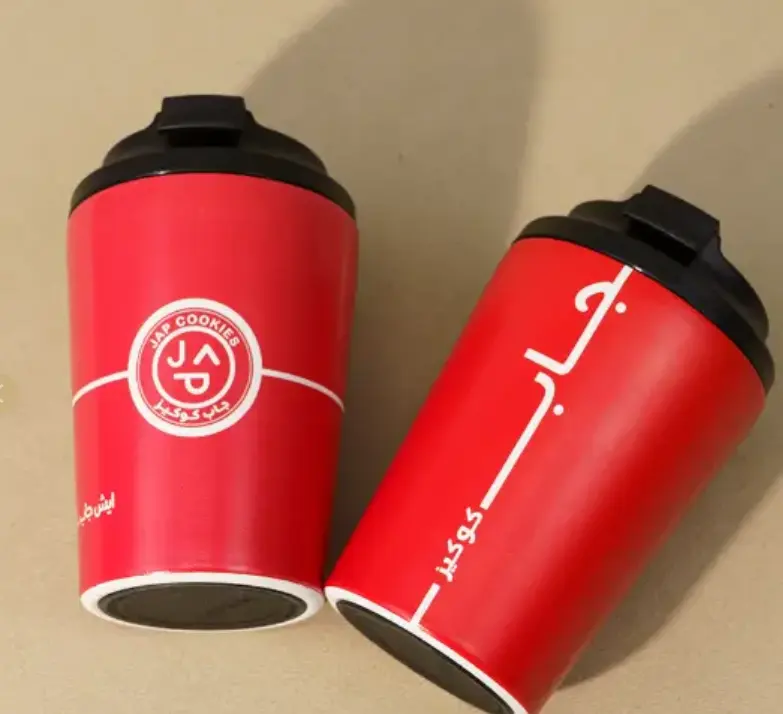
The Complete Guide to Capacity, Dimensions, and Perfect Choice of Ceramic Coffee Cup Sizes
Selecting the appropriate sizes of ceramic coffee cups is not as easy as selecting a mug that is attractive. The size influences taste, temperature, portion control, and even your coffee experience. Be it a quick espresso or a big latte, knowing coffee mug capacity, cup volume measurement, and drinkware sizing will help you make a wiser decision.
Understanding Different Ceramic Coffee Cup Sizes
By ceramic coffee cup sizes, we are not referring to the size of the ceramic cup, but the capacity of the cup to hold. The brimful capacity is often confused with the actual drinking volume by many people. Brimful capacity is the amount of liquid that can be held in a cup.
Usable capacity: This is the amount of beverage you can comfortably drink without spilling.
This distinction is significant in comparing the size of ceramic coffee cups in ounces or milliliters (ml).
Explained Standard Ceramic Coffee Cup Size
The typical size of a ceramic coffee cup can differ by use and location, but the following is a rough guide:
• Espresso cup, 2 to 3 oz (60 to 90 ml)
• Small coffee cup, 6 to 8 oz (180 to 240 ml)
• Regular mug, 10 to 12 oz (300 to 355 ml)
• Large mug, 14 to 16 oz (414 to 475 ml)
These are regarded as the normal sizes of drinking ware in homes and cafes.
In case you are asking, what the size of ceramic coffee cups is, it varies according to the type of beverage and the mode of serving.
Why It Matters
Knowledge of coffee cup capacity in ml and oz aids in consistency. Baristas use precise measurements to achieve flavor balance.
Key technical terms:
• Fluid ounces (oz), which are used in the US.
• Milliliters (ml), which is used worldwide.
• Size conversion (oz to ml), 1 oz = 29.57 ml
Being aware of this guarantees improved brewing and control of portions.
Mug Dimensions, More Than Just Volume
It is not sufficient to have capacity. The size of the mugs, both height and diameter, is important as well.
• The larger cup cools coffee more quickly.
• The taller the mug, the longer it will keep the heat.
• The height-to-diameter ratio affects aroma release.
That is why a ceramic coffee cup dimensions guide is a necessity for coffee lovers.
Coffee Type and Ideal Ceramic Cup Size
Certain cup sizes are required in different styles of coffee. This is where specialty coffee cup sizes come in.
Espresso
• Espresso cup size, 2-3 oz.
• Heavy walls to retain heat.
Cappuccino
• Cappuccino-size ceramic cup, 6-8 oz.
• Equal portions of milk and foam.
Latte
• Latte-size ceramic mug, 10-12 oz.
• Increased milk space.
Americano
• Americano cup size, 12-16 oz.
The selection of the perfect size of the ceramic mug to serve a latte or cappuccino improves taste and presentation.
Small, Medium, and Large Ceramic Cups
It is small, medium, and large custom insulated coffee tumbler can assist buyers in making a better choice:
- Small mugs, which are best with strong coffee.
- Medium mugs, which are suitable for everyday life.
- Large mugs are ideal for long sipping.
This is also a response to the popular question, how many ml in a ceramic coffee cup, by category.
Ceramic vs Glass Coffee Cups Size
One of the comparisons made is between ceramic and glass coffee cup sizes.
- Ceramic cups have higher heat retention.
- Glass cups are visually attractive.
- Ceramic mugs are stronger.
Ceramic has better insulation and sustainability when comparing a ceramic mug to a paper cup.
What is the Difference Between a Coffee Cup and a Mug
The difference between a coffee cup and a mug is easy:
• Cups are smaller and are typically used for espresso.
• Mugs are bigger and are used for ordinary coffee.
Knowledge of the size of the espresso cup and coffee mug will assist in the selection of the appropriate drinkware.
Understanding the Purpose Behind Different Ceramic Mug Sizes
You may observe that the size of ceramic mugs differs. This occurs because:
• Design preferences
• Cultural serving styles
• Manufacturer specifications
• Intended use
This is why the size of a normal cup of coffee differs between markets.
The Best Size of Ceramic Cup to Use for Coffee
In case you are not sure what size ceramic cup is best to use when making coffee, you can take into account:
• How much coffee do you drink every day?
• Beverage type
• Heat retention needs
• Comfort and grip
For example:
• Office use, 10–12 oz
• Home relaxation, 12–16 oz
• Café-style beverages, 6-8 oz.
Travel and Modern Coffee Solutions
Many users nowadays prefer the size of travel ceramic coffee cups or insulated ones. In case you want to find modern solutions, visit this product:
product offers:
- Good heat retention characteristics
- Takeaway-ready long-lasting design
- Individual mug capacity choices
Perfectly suited to the cafe and personal use. It is both convenient and performance-based, particularly to individuals on the move.
Ceramic Coffee Cups on Sale, Buy Guide
These are some of the factors to be considered when purchasing ceramic coffee cups in various sizes:
Available Mug Sizes
Quality of the material, porcelain or stoneware.
- Glazed ceramic finish
- Microwave-safe mugs
- Dishwasher-safe ceramic cups
For businesses:
- Ceramic coffee cup sizes (wholesale).
- Bulk ceramic cups
They provide quality drinkware solutions that can be used in cafes and brands
Home vs Cafes Ceramic Cups
Ceramic home vs cafe cups differ:
- Home coffee mugs
- Larger sizes Comfort-focused
- Café serving sizes
- Standardized volumes
- Follow the barista standard
Knowledge of coffee serving criteria guarantees uniformity in the workplace.
Conclusion
The decision of the appropriate ceramic coffee cup sizes can entirely transform the way you experience coffee. Since it is an espresso or latte, each drink is worthy of the proper cup. Think about capacity, dimensions, and purpose, and align it with your lifestyle. In case you desire high quality and personalization, check out Ypak Coffee to find innovative drinkware solutions that are both stylish and functional. It is not only about size, but also about experience to make your perfect cup.
Related Articles

Two Gates on the Road to the EU: Reduction by Design and the Documentation Chain for Coffee Packaging

Recyclable Coffee Bags: How to Protect Freshness Without Compromising Sustainability

Your Brand, Perfectly Packaged: The YPAK Guide to Selecting a High-Quality Custom Coffee Bag