

Updated 7 months ago
What Sets Biodegradable Coffee Bean Bags Apart from "Eco" Hype?

ypak.coffee
YPAK PACKAGING GROUP was established in 2011 and formed with 3 companies based on Hongkong, Dongguan and Foshan. We have become one of the largest coffee bag manufacturers in China. We use the best quality WIPF valves from Switzerland to keep your coffee fresh.
Conform to the plastic ban policy imposed to many different countries, we have researched and developed the sustainable packaging bags, such as RECYCLABLE and COMPOSTABLE pouches.
No minimum quantity, no color plates are required with our HP 25K INDIGO DIGITAL PRINTING service.
You are welcome to visit YPAK.
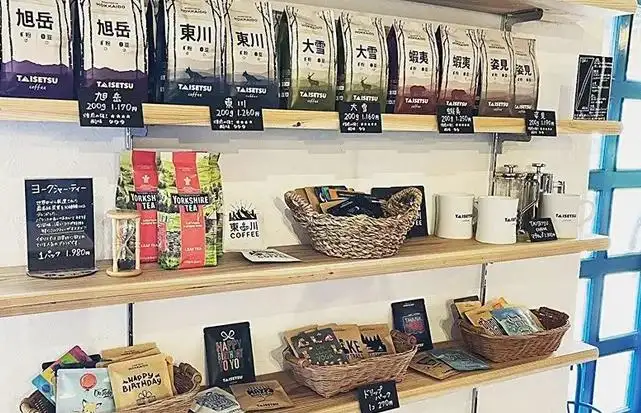
Biodegradable Coffee Bean Bags
Biodegradable Coffee Bean Bags set a higher bar than vague eco labels. If you've ever wondered what separates credible compostable packaging from feel-good marketing, you're in the right place. The goal isn't to chase buzzwords - it's to protect flavor, earn trust, and make sure the bag actually turns into soil when the coffee is gone.
Compostable Is Proven, Biodegradable Is Vague
“Biodegradable” can mean a lot of things, many of them meaningless without context. “Compostable” is different: it's tested against clear criteria designed to protect soil, plants, and people. Well-designed Biodegradable Coffee Bean Bags that meet compostable standards should deliver the following:
• Break down fully into water, carbon dioxide, and biomass within a defined time window (typically months, not years).
• Leave no toxic residues, with heavy metals capped below 0.01%.
• Support healthy plant growth after decomposition in standardized tests.
Look for EN 13432 when you plan to send bags to industrial composting. This European standard requires a controlled environment around 58°C, plus strict disintegration and ecotoxicity testing.
“OK HOME” indicates a bag can break down in a backyard compost setup, which runs cooler and more slowly than industrial systems. Labels matter because the gap between claims and reality is big: recent industry audits found that well over half of “biodegradable” claims fail to meet recognized compostable benchmarks. Verified certification helps you avoid greenwashing and shields your customers from disappointment.
Freshness First: Barriers, OTR, and Flavor Retention
Coffee doesn't forgive sloppy packaging. Oxygen and moisture mute bright notes, flatten acidity, and dull aroma. Traditional aluminum-based structures keep oxygen out with an oxygen transmission rate (OTR) in the neighborhood of 0.5 cc/m²/day. Many compostable laminates sit closer to 120 cc/m²/day. Over 60 days, aluminum formats can preserve roughly 90%+ of aroma, while common compostable stacks land nearer to the mid-70s. One big reason: PLA, a widely used bio-polymer, has micro-pores that allow oxygen to creep through.
Does that mean you should skip Biodegradable Coffee Bean Bags? Not if you plan for the barrier reality. The playbook is straightforward and effective:
• Roast to order and keep batches small so bags move quickly.
• Nitrogen-flush at packout to knock down oxygen load.
• Use a one-way valve and resealable zipper to encourage clean, fast re-closing.
• Favor lighter ink coverage to reduce additives that can complicate composting.
• Store inventory cool and dry to slow staling and moisture uptake.
• Shorten your freshness cycle and monitor aroma over time so you can adjust as needed.
Roasters running tighter cycles routinely hit flavor targets while meeting sustainability goals. Customers get the cup they expect and a compostable story that's honest, not aspirational.
The Real World Test: Will Your Bag Actually Compost?
Infrastructure is the bottleneck. Only a slice of communities have access to industrial composting - roughly the teens across the US and a bit more than a quarter in the EU. The outcome is predictable: most compostable packaging still lands in the trash. Confusion is a big driver. We've seen roasters switch to compostables only to find that customers didn't know where to put the empty bag, so it went to landfill.
You can flip that script with a few practical steps:
• Print clear guidance on the pack: “Industrial Compost Only” or “OK HOME,” as applicable.
• Partner with local compost facilities before launch so your bags have a destination.
• Place compost bins where they're actually used - near the condiments, not by the exit.
• Add a QR that shows a 30-second video: the bag in a bin, the compost process, the finished soil.
• Train staff to point customers to the bin and explain the why in a sentence or two.
When you align infrastructure and habits, composting works like the label promises.
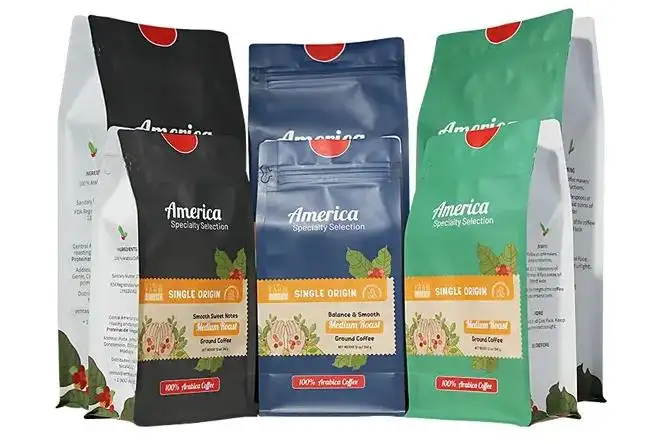
Where Biodegradable Coffee Bean Bags Shine
Biodegradable Coffee Bean Bags make the most sense when you can show value and proof in the same moment:
• Cafes with in-store compost bins and staff who guide disposal.
• “Grind-to-go” refills that keep packaging lightweight and cycling quickly.
• Seasonal releases and limited editions with fast turnover.
• Local delivery in cities with reliable municipal composting, such as San Francisco or Berlin.
Use caution for slow movers, long export lanes, or humid, tropical routes. Products that demand extended shelf life - like concentrates - benefit from higher-barrier formats. Match the bag to the mission, not the myth.
Materials and Designs That Help You Win
Most compostable coffee bags blend PLA for structure with PBAT for flexibility and sealability. A 60/40 PLA-to-PBAT ratio is a common sweet spot that balances strength, heat-seal performance, and composting speed. Layered builds such as kraft/PLA/PBAT deliver a tactile paper feel without metal, while cotton-paper blends offer a premium hand and keep the laminate compostable.
Innovation is closing the barrier gap:
• Seaweed-based nano coatings have posted promising lab results, retaining up to the mid-80% range of aroma at 90 days for medium-turnover products.
• Digital watermarks - tiny, invisible codes - help automated sorters route bags to the correct stream, improving capture rates.
• Composite films that incorporate spent coffee grounds (for example, 30% grounds with 70% PLA) add stiffness, reduce virgin material, and tell a story customers remember: yesterday's brew becomes tomorrow's bag.
Design choices matter too. Resealable valves reduce oxygen ingress between uses. Lighter color palettes typically mean less ink and fewer additives for compost systems to digest. Our Biodegradable Coffee Bean Bags are nitrogen-flush compatible, and artwork can be prepared for digital watermark readiness to support smarter sorting.
Cost, Value, and the Business Case
Compostable formats do cost more. A typical high-barrier plastic/aluminum bag might land around $0.05 each, while compostable structures often run closer to $0.18. Shelf life differs as well - think roughly two years for traditional formats versus closer to six months for common compostable stacks.
The flip side: a majority of eco-minded shoppers say they'll pay more for options that show real impact, not just green graphics. If you set expectations and choose the right SKUs, the math can work. The benefits accrue beyond unit cost - brand trust, local partnerships, and visible waste reduction create value that compounds.
Our compostable line is built around EN 13432-certified structures with kraft paper options, resealable valves, and nitrogen-flush compatibility. We translate technical advantages into practical benefits: tighter freshness cycles that match roast schedules, honest labels that cut confusion, and tactile finishes that make limited releases feel collectible.
A 90-Day Pilot You Can Run Now
If you're ready to test Biodegradable Coffee Bean Bags without risking flavor or budget discipline, start small and measure:
• Pick one seasonal blend for a 90-day pilot.
• Label clearly: “Industrial Compost” or “OK HOME,” as relevant to the structure.
• Partner with a local compost facility; confirm acceptance and processing timelines.
• Place compost bins near service points and add a short QR explainer.
• Train staff to show customers how to compost and why it matters.
• Track aroma retention (sensory and any available OTR-linked data), sell-through per week, and compost bin capture rates.
At the end of 90 days, you'll know what to scale, what to tweak, and where compostables earn their keep. If you want samples, pricing, or a quick packaging review, reach out for a pilot kit and a 20-minute planning call. It's time to move beyond vague “eco” claims and build a compostable program that wins on taste, trust, and the bottom line - with Biodegradable Coffee Bean Bags that perform in real life.
Written by
ypak.coffee
ypak
YPAK PACKAGING GROUP was established in 2011 and formed with 3 companies based on Hongkong, Dongguan and Foshan. We have become one of the largest coffee bag manufacturers in China. We use the best quality WIPF valves from Switzerland to keep your coffee fresh.
Conform to the plastic ban policy imposed to many different countries, we have researched and developed the sustainable packaging bags, such as RECYCLABLE and COMPOSTABLE pouches.
No minimum quantity, no color plates are required with our HP 25K INDIGO DIGITAL PRINTING service.
You are welcome to visit YPAK.
Related Articles
Two Gates on the Road to the EU: Reduction by Design and the Documentation Chain for Coffee Packaging

Recyclable Coffee Bags: How to Protect Freshness Without Compromising Sustainability

Your Brand, Perfectly Packaged: The YPAK Guide to Selecting a High-Quality Custom Coffee Bag