

Updated 7 months ago
Wholesale Drip Coffee Solutions Explained (2026): MOQ, Lead Time, QC

ypak.coffee
YPAK PACKAGING GROUP was established in 2011 and formed with 3 companies based on Hongkong, Dongguan and Foshan. We have become one of the largest coffee bag manufacturers in China. We use the best quality WIPF valves from Switzerland to keep your coffee fresh.
Conform to the plastic ban policy imposed to many different countries, we have researched and developed the sustainable packaging bags, such as RECYCLABLE and COMPOSTABLE pouches.
No minimum quantity, no color plates are required with our HP 25K INDIGO DIGITAL PRINTING service.
You are welcome to visit YPAK.
wholesale drip coffee solutions
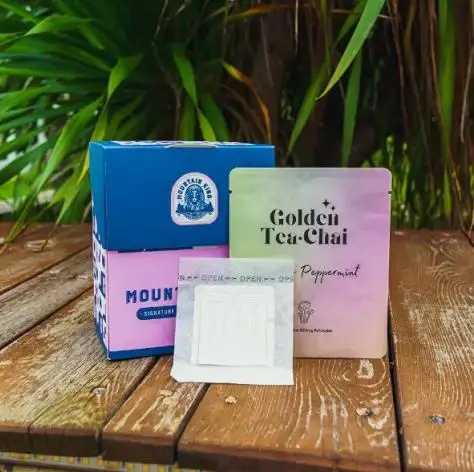
Wholesale drip coffee solutions are no longer only about "putting coffee in a sachet." In 2026, buyers expect consistent flavor, export-ready compliance, and packaging that performs on real filling lines—while still looking premium on retail shelves. At YPAK, we build a complete drip coffee filter sachet system: a high-barrier printed pouch, a food-grade hanging-ear drip filter, and a retail-ready outer box. The goal is simple: help roasters and private-label brands scale single-serve products with predictable quality and timelines.
This guide explains the three questions most beginners ask first—MOQ, lead time, and QC—using practical numbers and decision rules you can apply immediately.
1) What "Wholesale Drip Coffee Solutions" Mean in 2026
A modern drip coffee program is a small system, not a single component. The sachet must protect aroma, the filter must brew cleanly, and the outer box must survive shipping while selling your brand at first glance.
At YPAK, our Custom Drip Coffee Filter Sachet Packaging is designed for specialty coffee brands, hotel amenities, gifting programs, and subscription boxes. The gradient pouch is built for shelf appeal, and the tear notch supports quick opening without tools. Inside, the drip filter's hanging ears help the filter sit stable on most cup types, which reduces spills and customer complaints. Beyond coffee, the same format works well for tea-chai blends, herbal drinks, and functional beverages where portion control and convenience matter.
2) Choosing Formats That Match Your Scale and Equipment
When buyers compare wholesale drip coffee solutions, format selection is usually the fastest way to reduce cost and avoid production friction.
Pre-made pouches are practical when you have multiple SKUs, frequent design changes, or small to medium batch needs. They arrive ready to fill, which simplifies onboarding and reduces technical complexity for new product launches.
Printed rollstock is the scale option. It is designed for automated forming, filling, and sealing systems (such as VFFS/HFFS), and it supports higher throughput with stronger cost efficiency at volume. It also allows film properties—like roll tension and surface "slip"—to be tuned to your line so feeding stays stable.
✅ If you are still validating flavors or launching seasonal sets, pre-made pouches reduce risk.
✅ If your lines are automated and you want the best unit economics, rollstock is the long-term route.
3) MOQ Explained: What Drives the Minimum Order
MOQ is driven by printing setup, materials, and whether you pick pre-made pouches or rollstock—never random.
For most wholesale drip coffee programs, typical MOQ is 5,000–10,000 pouches (or equivalent roll length), varying by process and print method. MOQ enables consistent manufacturing and reliable color/barrier control.
✅ Begin with core SKUs only; expand after sell-in/sell-through metrics.
✅ Design around dose and filter needs; aesthetics are a finish, not the spec.
4) Lead Time in Real Numbers: Sampling to Mass Production
Lead time matters because drip coffee is a freshness product. Even great coffee can disappoint if packaging approval and delivery drag on.
With YPAK wholesale drip coffee solutions, a practical timeline looks like this:
• Sampling lead time: about 3–7 days
• Mass production lead time: about 15–25 days (after artwork and materials are confirmed)
Most delays happen before production starts. The fastest projects are the ones that confirm three items early: dielines, Pantone color targets, and the correct film structure for barrier needs. If you plan a product launch, align your marketing calendar with the packaging critical path, not only with roasting schedules.
Tip for beginners: treat sampling as a performance test, not just a visual proof. Open, tear, smell, brew, and check how the filter hangs on different cup rims. Small usability details often decide repeat purchase rates.
5) QC That Protects Flavor and Prevents Complaints
QC in wholesale drip coffee solutions should protect two outcomes: freshness and packing reliability.
On the freshness side, high-barrier laminated films help slow oxidation and moisture uptake. Common structures include PET/PE, NY/PE (PA/PE), PET/AL/PE, metallized films, and kraft laminates. Film choice should match your storage and distribution reality—retail shelf, hotel stocking, cross-border shipping, or subscription logistics. Strong barriers matter because they preserve aroma longer and reduce "flat" cups that damage brand trust.
From a reliability standpoint, seal integrity cuts leakage and burst risk in shipping. On automated lines, friction and roll behavior are pivotal—unstable web feed can produce mis-seals or line pauses.
✅ Drive QC around airtight sealing, print consistency/registration, and easy-tear usability.
✅ Confirm food-contact compliance for all materials and schedule third-party testing when needed.
Product Details That Create Real Business Value
Beginners often see "premium" as special print effects. In practice, premium is fewer operational issues and a better experience for the end user.
YPAK supports OEM customization spanning pouch materials, filter structure, box sizing, branding, and multilayer film stacks for freshness. Typical sachet sizes include 90 × 110 mm and 95 × 120 mm, sized for common 7–12 g hanging-ear filter packs. Thickness is commonly tailored around 60–120 μm to balance barrier performance and hand feel.
You can also add practical elements that help distribution and retail operations, such as lot codes, QR codes, windows, and anti-counterfeiting features. For brands selling in multiple regions, eco options like recyclable or compostable structures may be available, subject to local regulations and real use cases.
CTA: If you are planning a 2026 launch or upgrade, send YPAK your coffee dose, target markets, and preferred format (pre-made pouch or rollstock). We'll specify a structure, agree on an MOQ range, and share a sampling plan that fits your launch timing.
Written by
ypak.coffee
ypak
YPAK PACKAGING GROUP was established in 2011 and formed with 3 companies based on Hongkong, Dongguan and Foshan. We have become one of the largest coffee bag manufacturers in China. We use the best quality WIPF valves from Switzerland to keep your coffee fresh.
Conform to the plastic ban policy imposed to many different countries, we have researched and developed the sustainable packaging bags, such as RECYCLABLE and COMPOSTABLE pouches.
No minimum quantity, no color plates are required with our HP 25K INDIGO DIGITAL PRINTING service.
You are welcome to visit YPAK.
Related Articles
Two Gates on the Road to the EU: Reduction by Design and the Documentation Chain for Coffee Packaging

Recyclable Coffee Bags: How to Protect Freshness Without Compromising Sustainability

Your Brand, Perfectly Packaged: The YPAK Guide to Selecting a High-Quality Custom Coffee Bag