

Updated 8 months ago
Are Coffee Pouch Bags Truly Recycled? Materials & 2026 Standards Explained

ypak.coffee
YPAK PACKAGING GROUP was established in 2011 and formed with 3 companies based on Hongkong, Dongguan and Foshan. We have become one of the largest coffee bag manufacturers in China. We use the best quality WIPF valves from Switzerland to keep your coffee fresh.
Conform to the plastic ban policy imposed to many different countries, we have researched and developed the sustainable packaging bags, such as RECYCLABLE and COMPOSTABLE pouches.
No minimum quantity, no color plates are required with our HP 25K INDIGO DIGITAL PRINTING service.
You are welcome to visit YPAK.
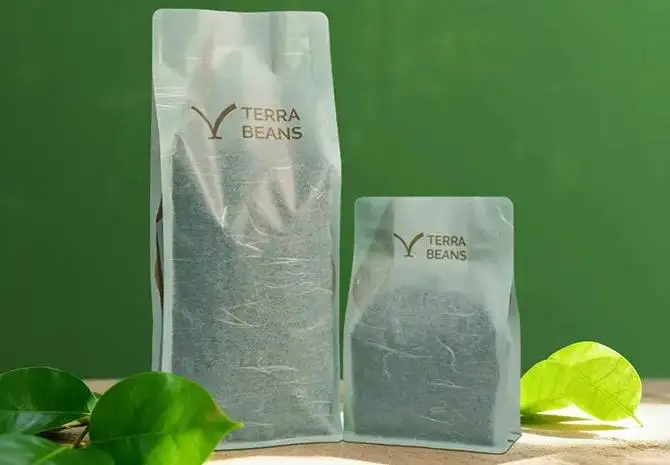
Coffee Pouch Bags
Coffee Pouch Bags are everywhere in modern coffee culture, but can they be truly recycled?
The Big Question: Can Coffee Pouch Bags Be Truly Recycled?
Most coffee lovers never think about the bag after brewing. Yet the fate of that pouch shapes our environmental impact. Traditional Coffee Pouch Bags use multiple layers of plastic and aluminum to keep beans fresh. These layers are fused together. They are hard to separate. As a result, the majority of multi-material flexible packaging still ends up in landfills or incineration. The good news: practical, recyclable designs now exist. With smarter materials and clear standards, Coffee Pouch Bags can move from "cradle-to-grave" to a circular life.
Why Most Coffee Pouch Bags Miss the Recycling Mark?
Freshness has long been achieved by mixing materials: plastic for structure, aluminum for barrier, paper for the look, plus adhesives and inks. This cocktail preserves aroma but blocks recycling. Many municipal systems cannot process multi-layer films. Even advanced facilities struggle to recover clean polymers from laminated bags. Industry studies consistently show very low recovery rates for mixed flexible packaging, often in the single digits. When labels claim recyclability without proper design, confusion grows and contamination rises. The path forward is simple: reduce complexity, design for established streams, and tell the consumer exactly what to do.
Materials That Make Coffee Pouch Bags Recyclable in 2026
Monomaterial PE or PP Coffee Pouch Bags
One polymer, one stream: build coffee pouches entirely from PE or PP to make recycling possible. That means the film, zipper, and even the one-way valve should be polymer-compatible. Use recyclable inks and avoid metalized barriers. These Coffee Pouch Bags can be sorted and reprocessed in existing streams. The result: a closed loop for plastics, lower virgin material use, and easier consumer action.
• One polymer family (PE or PP) across film, zipper, and valve
• No aluminum layer; oxygen barrier via advanced coatings
• Recyclable inks and minimal adhesives for clean processing
Compostable Coffee Pouch Bags (Industrial and Home)
Compostable options solve the end-of-life challenge a different way. PLA (from corn starch or sugarcane) and other bio-materials can break down into water, CO₂, and nutrient-rich compost under industrial conditions. Some emerging structures aim for home compostability too. These Coffee Pouch Bags are ideal for regions with robust composting infrastructure. Always match claims to certification and local access.
• Certified to EN 13432 or ASTM D6400 for industrial composting
• Seek "OK Compost Industrial" or "OK Compost Home" marks where applicable
• Clear disposal guidance reduces contamination in organic streams
PCR-Content Coffee Pouch Bags
PCR (post-consumer recycled) materials cut the footprint by reusing plastics already in circulation. Through co-extrusion, 30 - 50% PCR can sit in a middle layer, like a sandwich, without touching the coffee. You keep barrier performance while lowering energy use and emissions.
• 30 - 50% PCR in the core layer with food-safe inner contact layer
• Verified mechanical properties comparable to traditional films
• A practical step toward brand sustainability targets
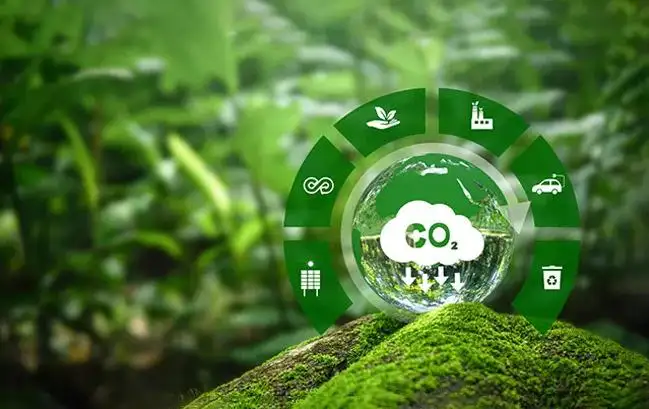
The 2026 Rulebook: Design, Labels, and Infrastructure
What qualifies as "recyclable" or "compostable" is no longer a guessing game. By 2026, regulators and industry programs are converging on consistent guidance that favors simplicity and verified performance.
• APR/RecyClass: Mono-material PE/PP, compatible closures, minimal barriers (no metallized foil), and detection-safe inks/dyes.
• EU PPWR: Harmonized recyclability and labeling, standard claims, and unified reporting.
• U.S. truth-in-labeling: SB 343 confines "recyclable" to what's collected and processed at scale; heightened enforcement against misleading claims.
• Compostability Standards: EN 13432 and ASTM D6400 remain the anchors; "OK Compost Industrial" and "OK Compost Home" marks provide consumer clarity. Only claim compostability where access exists.
• Consumer Labels That Drive Behavior: Programs like How2Recycle (U.S.) and OPRL (UK) give actionable instructions tailored to local systems, cutting contamination and boosting recovery.
• EPR Readiness: Extended producer responsibility is expanding. Track material data, fees, and recovery rates to align with producer obligations and avoid unpleasant surprises.
The big takeaway: if a pouch is simple, verifiably recyclable or compostable in the regions you sell, and labeled with precise end-of-life instructions, it's far more likely to be handled correctly.
2026-Ready Coffee Pouch Bags, Benefits You Can Use
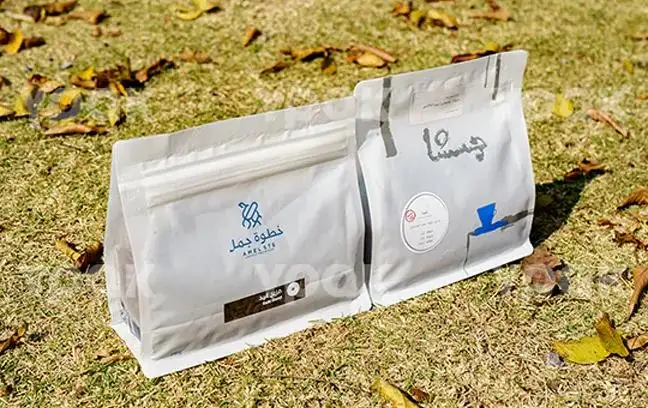
Our 2026-ready Coffee Pouch Bags are built around your operational needs and the planet's limits. Choose mono-material PE or PP for genuine recyclability. Or select certified industrial-compostable PLA structures where infrastructure supports them. For brands seeking faster impact, our PCR "sandwich" films place 30 - 50% recycled content in the middle layer, preserving barrier performance while reducing energy demand in production.
These bags protect freshness with oxygen and moisture barriers designed for specialty coffee. They can include a recyclable one-way valve and a same-polymer zipper to keep flavor intact. Flat-bottom formats stand sturdy on shelves and offer five panels for storytelling. Printed with eco-friendly inks, your branding is vibrant without compromising recovery. Add a QR code to show your carbon journey, from farm to roastery, and make sustainability transparent.
What does this mean for you?
• Compliance without drama: Be 2026-ready on recyclability and labeling.
• Footprint, minimized: PCR cores + smart barriers deliver lower energy and emissions, same freshness.
• Recycling made obvious: Simple instructions help customers do the right thing.
• Shelf-ready style: Flat-bottom Coffee Pouch Bags bring a premium stance and performance.
Make the switch today:
Let's build a simple plan and move to production.
• Audit the current pouch: layers, valves, zippers, inks, and labels
• Choose your path: mono-material recyclability, industrial compostability, or PCR content
• Align labels: How2Recycle or OPRL guidance, plus region-specific instructions
• Pilot and test: barrier, freshness, drop tests, and consumer disposal behavior
• Measure impact: add QR-based carbon tracking and report progress publicly
Ready to modernize your Coffee Pouch Bags? Contact our team to request a 2026-ready spec, samples, and a quick recyclability assessment. We'll help you pick the right material path, tune barrier performance for your roast profile, and set up compliant labels that your customers understand. Say goodbye to complex laminates and hello to practical circular design.
Written by
ypak.coffee
ypak
YPAK PACKAGING GROUP was established in 2011 and formed with 3 companies based on Hongkong, Dongguan and Foshan. We have become one of the largest coffee bag manufacturers in China. We use the best quality WIPF valves from Switzerland to keep your coffee fresh.
Conform to the plastic ban policy imposed to many different countries, we have researched and developed the sustainable packaging bags, such as RECYCLABLE and COMPOSTABLE pouches.
No minimum quantity, no color plates are required with our HP 25K INDIGO DIGITAL PRINTING service.
You are welcome to visit YPAK.
Related Articles
Two Gates on the Road to the EU: Reduction by Design and the Documentation Chain for Coffee Packaging

Recyclable Coffee Bags: How to Protect Freshness Without Compromising Sustainability

Your Brand, Perfectly Packaged: The YPAK Guide to Selecting a High-Quality Custom Coffee Bag