

Updated 2 months ago
How to Optimize Coffee Bag Packaging for Better Consumer Experience

ypak.coffee
YPAK PACKAGING GROUP was established in 2011 and formed with 3 companies based on Hongkong, Dongguan and Foshan. We have become one of the largest coffee bag manufacturers in China. We use the best quality WIPF valves from Switzerland to keep your coffee fresh.
Conform to the plastic ban policy imposed to many different countries, we have researched and developed the sustainable packaging bags, such as RECYCLABLE and COMPOSTABLE pouches.
No minimum quantity, no color plates are required with our HP 25K INDIGO DIGITAL PRINTING service.
You are welcome to visit YPAK.
Coffee Bag Packaging
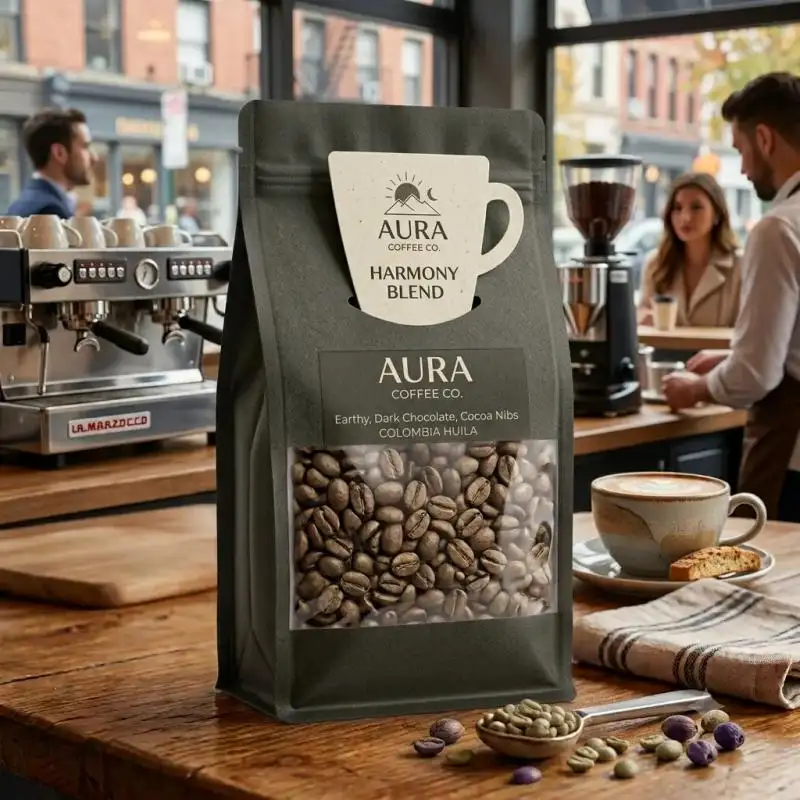
Coffee bag packaging protects coffee and creates an influence on the consumer experience from the time a product is on the shelf to the time it is used. A packaging design should be easy to identify, open, pour, reseal, and store. The packaging format and design also affect the barrier materials, valves, and zippers, as well as printing and finishing.
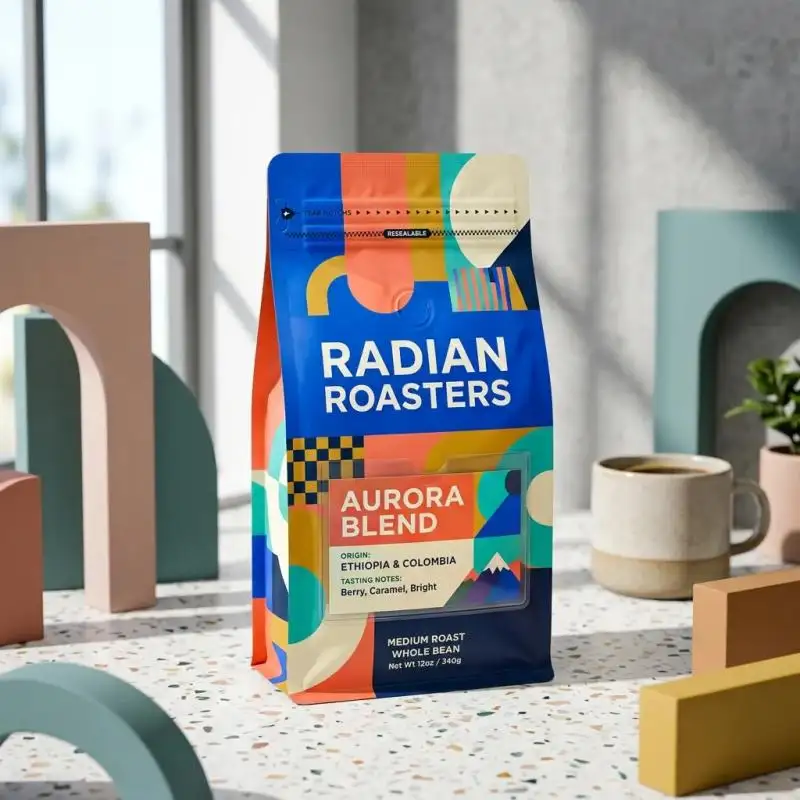
A successful packaging design should consider freshness, convenience, sustainability, and effective visual communication and design, as well as the ease of the design and packaging process. Coffee brands should therefore compare different bag formats and evaluate how material and feature upgrades affect the same coffee bag packaging structure.
What are the Stages of Customer Experience with Coffee Packaging?
Customer experiences can be described in stages. Customer experience in coffee packaging can be segmented into the following stages:
•Shelf stage: Can customers identify the brand, coffee origin, roast level, and product type?
•Opening stage: Is the tear notch easy to find? Does the top seal open cleanly?
•Pouring stage: Is the opening large enough to pour out without spilling?
•Freshness stage: Does the seal help the barrier maintain aroma and flavor?
•Storage stage: Can the package stand on its end, seal, and fit in a cupboard?
•Disposal stage: Can customers identify how to properly package the coffee?
Well-designed Coffee Bag Packaging does not rely on one feature. It combines structural, visual and functional details into a complete user experience.
The Consumer Journey from Shelf to End Use
1. Product Recognition
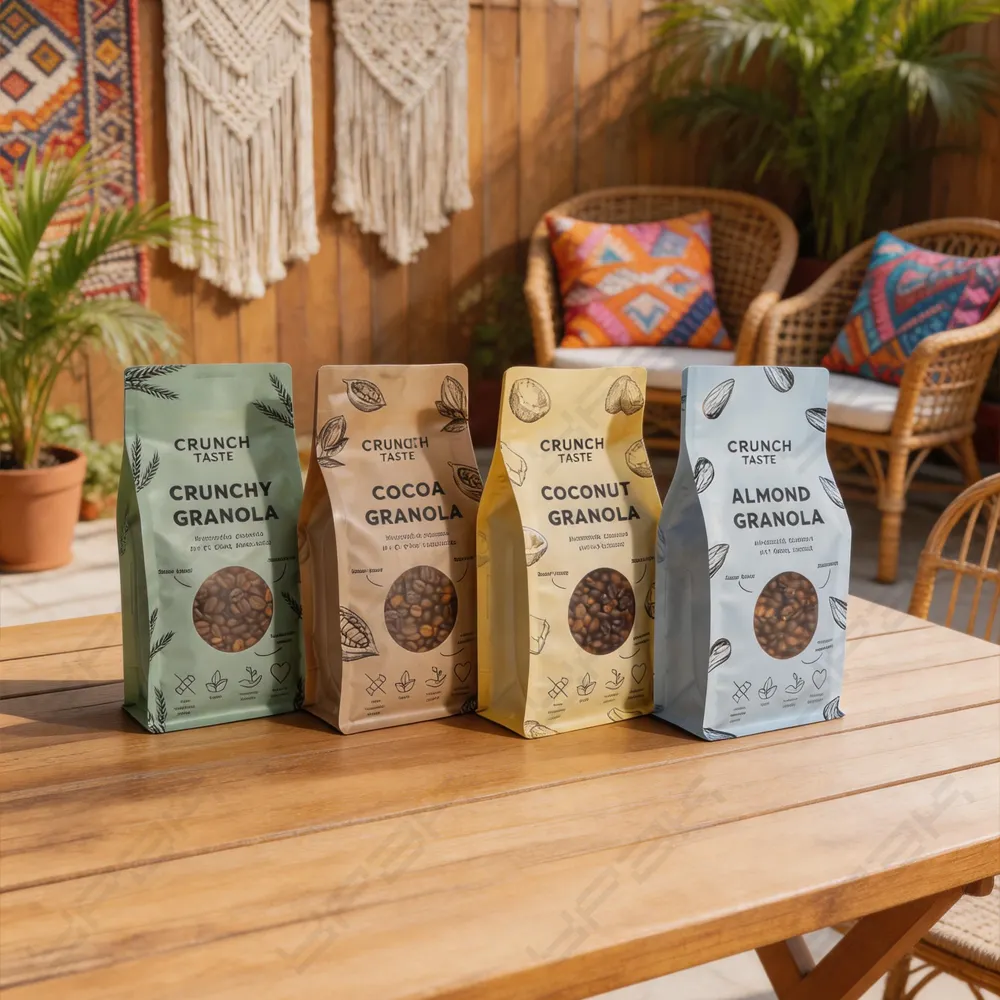
Variations in color and font and information order on packaging can help consumers distinguish products. Considerable effort must be taken to balance the display of the product behind clear packaging with the protection needs of the packaging.
2. First Opening
The ease of first opening is determined by the location of tear notches and the type and positioning of the seal.
3. Daily Use
The design of the packaging can influence ease of scooping, weighing and pouring as well as stability of the bag for daily use.
4. Storage and Disposal
Freshness and efficiency of storage are affected by barrier performance, resealability and packaging dimensions. Disposal instructions should appropriately name the waste and describe the disposal route.
| Consumer Stage | Common Problem | Packaging Improvement |
| Shelf browsing | Products look too similar | Information hierarchy and brand recognition |
| First opening | Uneven or difficult tearing | Tear notches, laser scoring, suitable seal |
| Daily use | Beans spill during pouring | Bag design with stability and wider opening |
| Repeated storage | Zipper is difficult to close | Bag design with wider zipper or zipper pocket |
| Disposal | Material instructions are unclear | Clear recycling or disposal instruction labels |
Which Coffee Bag Format Offers the Best Experience?
Different bag formats provide different combinations of shelf impact, convenience and storage stability.
| Bag Format | Shelf Display | Convenience | Storage Stability | Typical Application |
| Flat Bottom Bag | Strong | High | High | Specialty coffee and retail |
| Stand-Up Pouch | Good | High | Good | E-commerce, retail and samples |
| Side Gusset Bag | Moderate | Moderate | Moderate | Traditional and larger packs |
| Quad Seal Bag | Strong | Good | High | Premium and medium-to-large packs |
| Flat Pouch | Limited | Moderate | Low | Samples, ground coffee and single portions |
Flat Bottom Bag vs. Stand-Up Pouch
Flat Bottom Coffee Bag Packaging is designed for optimal shelf display for high-end products, due to its stable bottom and multiple printable panels. Conversely, Stand-Up Pouches offer more versatility in sizing, and are suitable for use with lighter products, samples and e-commerce sales.
Both formats can include zippers, degassing valves and tear notches. However, the opening width, filling process and top construction may produce different pouring and resealing experiences.
Side Gusset Bag vs. Quad Seal Bag
Side gusset bags are widely used for traditional coffee packaging and larger filling weights. Quad seal bags have four reinforced vertical seals, producing a more structured shape and additional printable side panels.
The main consumer differences involve standing stability, opening design and whether the bag includes a practical resealable feature.
How Different Features Change the Same Coffee Bag
The material, functionality, and design of a coffee bag can radically alter the consumer's experience of the coffee within.
| Configuration | Basic Option | Upgraded Option | Impact on Consumer Experience |
| Barrier structure | Laminate | High-barrier structure | Retention of aroma and product freshness |
| Closure | Heat seal only | Resealable zipper | Convenience improved |
| Degassing | No valve | One-way valve | Retention of aroma and product freshness |
| Surface finish | Glossy | Mat | Variety of visual and tactile experiences |
| Opening | Standard top seal | Tear notch | First opening is cleaner |
Standard vs. High-Barrier Structure
Standard structures work well for coffee bags distributed locally. High-barrier coffee bags are best suited for international trade where coffee bags may require long periods on the shelf before sale.
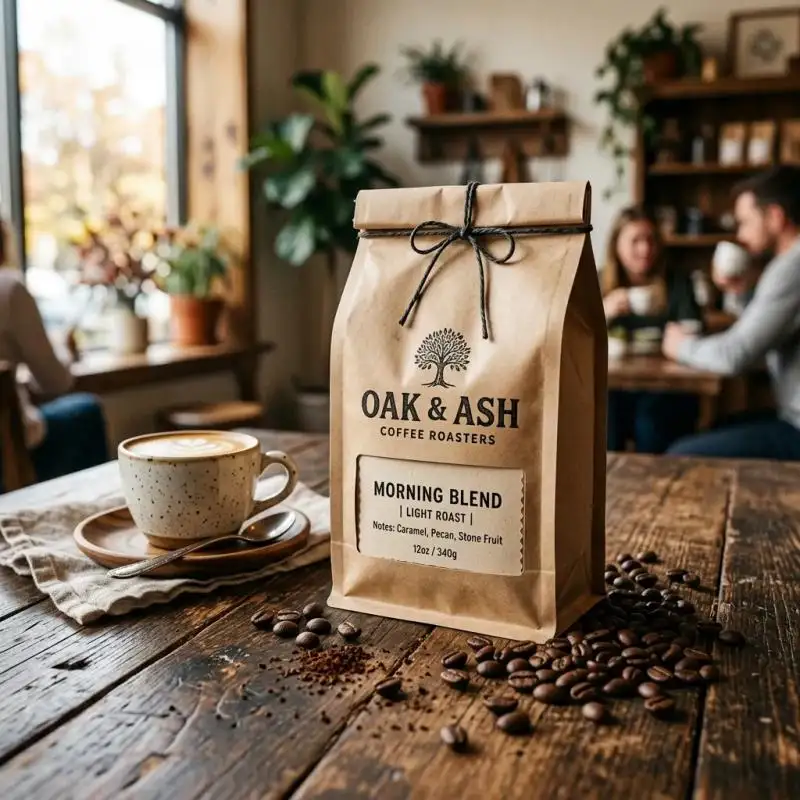
While the consumer cannot see the barrier layer, the performance of the layer can be experienced through retention of aroma and product freshness.
No Zipper vs. Zipper
Heat seal bags work well for single use or bulk products. Press-to-close zippers work well for many retail applications. Pocket zippers offer even greater convenience. Hook and loop closures can provide a high level of convenience but may require a greater cost and compatibility consideration.
No Valve vs. One-Way Degassing Valve
Freshly roasted coffee has a high level of captured gas, primarily CO2. A one-way degassing valve allows gas to escape from the bag while limiting the entrance of air. The specification and placement of the valve is dependent on the bag structure, the filling process, and the type of coffee.
Satin vs. Gloss vs. Matte
Gloss finishes yield high color saturation but show spots and reflections. Matte finishes allow for a low-glare look. Soft-touch surfaces allow for a differentiated look and feel. Performance and durability testing should be conducted for surfaces before going into production.
Material Influence on Consumer Perception and Packaging
The choice of a particular material for a design concept influences the function of the packaging and the way the idea is interpreted by design.
•Plastic laminates: Provide an excellent barrier protection and a great deal of flexibility for packaging.
•Kraft paper laminates: Have a more natural or craft look, but do usually require an internal barrier layer.
•Mono-material recyclable packaging: Reduces complexity for packaging but needs to be assessed for how it matches the local recycling infrastructure for the packaging along with the duration it needs to stay on the shelf.
•Coffee bags that have a compostable option: May be desirable for a strong sustainable grade offer, but there needs to be assurance for the storage conditions, if it will seal, and have access to a composting facility.
Consumers mainly see the external appearance and environmental statement. Coffee brands must also verify barrier, seal strength, valve performance and transportation resistance.
Information Design: Simplifying Coffee Packaging
Designing the front panels of coffee packaging should focus on including the brand, coffee name, flavor profile, roast date, origin, processing method, and roast level. Brew method instructions should remain brief. Claims for packaging being recyclable, compostable, or made from post-consumer recycled content (PCR) should reflect the entire packaging.
Instead of using printed packaging, QR codes could offer brewing and packaging traceability as well as guides and stories.
For coffee, YPAK employs digital printing in flexible multi-project packaging to accommodate short runs. Traditional printing would be preferable for coffee packaging systems that are high-volume and low-design flexible.
To enhance visibility and differentiate packages on shelves, contrast printing and soft-touch, matte, or glossy finishes are used. Coatings and foil stamping and embossing can provide tactile and visual effects. Pack windows may allow some light exposure but protect contents from light.
Cost, durability, and sustainability and recyclability of design of packaging should be integrated with finishes that serve a primary function to enhance effective communication of product and brand.
Solutions to Consumer Experience Problems with Coffee Bags
| Design Problem | Causes | Solutions |
| Bag open accessibility | Incorrectly cut tear notches | Ensure accuracy of cut notches |
| Zipper | Beans enter zipper track | Change zipper design or reposition |
| Spill | Beans enter zipper track | Change zipper design or reposition |
| Bag not standing | Bottom design is inadequate | Use flat bottom design or standup pouch |
| Seal integrity issues | Aroma decline barrier or seal | Upgrade the barrier and test the seal |
| Bag expansion | Beans enter zipper track | Change zipper design or reposition |
| Too much bag expansion | (Pressure build‑up) | Use a one‑way valve |
| Poor disposal options | Missing disposal instructions | Add disposal instructions |
Closing Words: Design Coffee Bags with Customers in Mind
We appreciate your bag designs to help us make your coffee bags using barrier materials, zippers, valves, and designs. Printing, filling, sealing, opening, and storing will all be tested prior to allowing the bag to be sold in mass. Contact us with your moments!
FAQs
Q1. What is the difference between standard and high-barrier coffee packaging?
Standard packaging structures may be adequate for domestic sales. In contrast, high-barrier packaging structures are more protective for longer shelf lives, international sales, and prolonged storage at retail.
Q2. How does Coffee Bags Packaging impact the consumer experience?
The design of the bag and the features of the packaging (such as the closure, the tear notch, the opening, zippers, and valves) impact the ability of the consumer to easily recognize, access, pour, reseal, and store the coffee.
Q3. What coffee bag format is the most consumer friendly?
The most consumer friendly formats are flat bottom bags and stand-up pouches, as they offer display stability, ease of access, and resealing options.
Q4. What is the purpose of the one way degassing valve in coffee bags?
Coffee is still off gassing CO2 after it is roasted. A one way valve lets the gas escape, but not air, which helps the bag keep its shape and keeps the coffee fresh.
Q5. Do Coffee Bags Packaging need a resealable zipper?
For coffee that is consumed over multiple days, a zipper greatly improves the bag's storage convenience and helps reduce the exposure of the coffee to air and moisture.
Written by
ypak.coffee
ypak
YPAK PACKAGING GROUP was established in 2011 and formed with 3 companies based on Hongkong, Dongguan and Foshan. We have become one of the largest coffee bag manufacturers in China. We use the best quality WIPF valves from Switzerland to keep your coffee fresh.
Conform to the plastic ban policy imposed to many different countries, we have researched and developed the sustainable packaging bags, such as RECYCLABLE and COMPOSTABLE pouches.
No minimum quantity, no color plates are required with our HP 25K INDIGO DIGITAL PRINTING service.
You are welcome to visit YPAK.
Related Articles
Two Gates on the Road to the EU: Reduction by Design and the Documentation Chain for Coffee Packaging

Recyclable Coffee Bags: How to Protect Freshness Without Compromising Sustainability

Your Brand, Perfectly Packaged: The YPAK Guide to Selecting a High-Quality Custom Coffee Bag