

Home /
What are the most common coffee bag sizes?
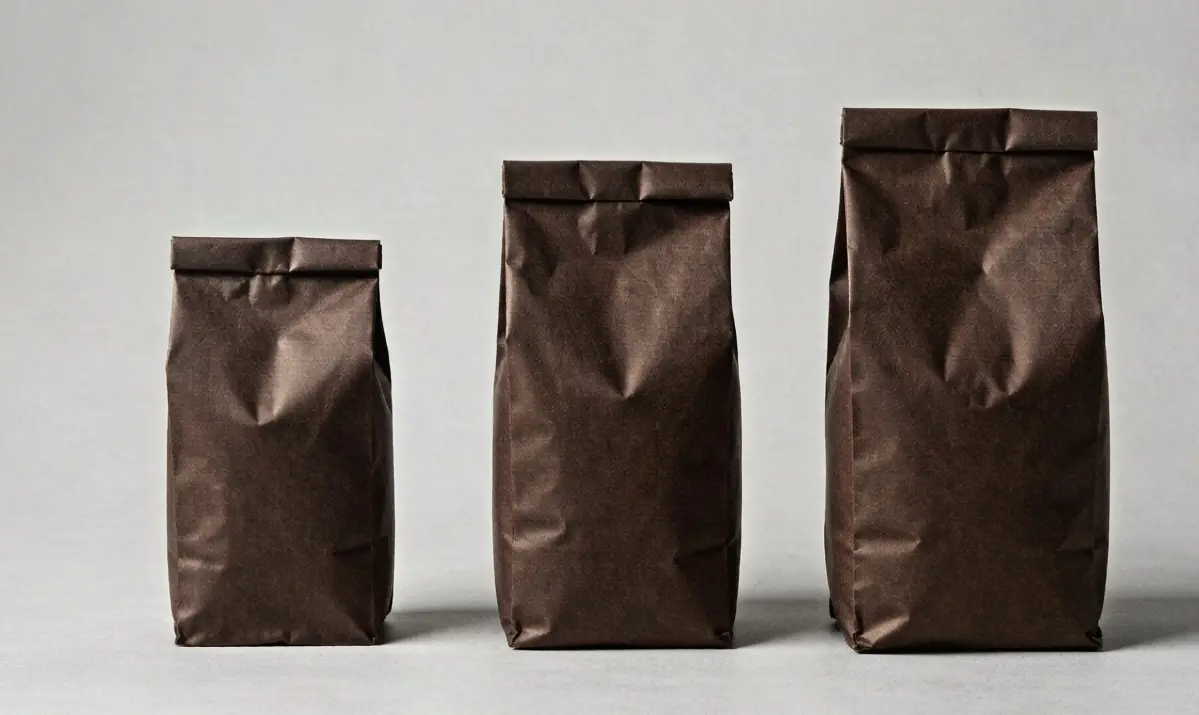
Size is an important consideration when choosing a coffee packing. Coffee bag sizes go beyond just storing your beans; they can impact perceived value, shelf appeal, customer experience, and even your carbon footprint. With the continued growth and development of specialty coffee, it is important for roasters to understand the most common coffee bag sizes and how they are strategically used.
Covering industry-standard coffee bag sizes, preferences by region, sustainability issues and trends, this comprehensive guide will help you make informed decisions about your brand.
Industry-Standard Coffee Bag Sizes: A Complete Breakdown
There are typically 3 to 4 coffee bag sizes that most coffee roasters use, with small- to medium-sized bags for retail and larger bags for bulk or wholesale orders. Let's take a closer look at the most frequently used sizes and their usual uses:
Sample & Single-Serve Sizes (25g-50g / 1-2 oz)
-
Perfect for promotional giveaways, samples, and hospitality
-
Low production costs make them ideal for introducing new customers to your coffee
-
Popular for travel, gifting, and on-the-go situations where traditional brewing equipment is unavailable
Small Retail Sizes (113g-227g / 4-8 oz)
-
227g (8 oz) is particularly popular in North America for single-origin specialty coffees
-
Represents one standard measuring cup in the US market
-
Ideal for customers who want to try multiple coffees without committing to larger quantities
Standard Retail Sizes (250g-500g / 8.8 oz-1.1 lb)
-
250g is the most common size in Europe and specialty stores worldwide
-
340g/12 oz and 450-500g/1 lb formats are more familiar to North American consumers
-
Offers both freshness and value—enough for multiple brews while ensuring coffee is consumed quickly
Large Retail & Bulk Sizes (900g-20kg / 2 lb-44 lb)
-
900g (2 lb) and 2.3kg (5 lb) bags cater to frequent brewers and wholesale customers
-
More cost-effective per serving despite higher upfront cost
-
Typically stored in backrooms rather than displayed on retail shelves
Regional Preferences: How Geography Influences Size Selection
North American Market
The 340g (12 oz) bag is a ubiquitous choice on retail shelves both in the United States and Canada. As Chris Molieri, owner and CEO of Greenstreet Coffee Company explains, "We mostly sell 12 oz bags – normally whole bean coffee, but sometimes ground. We are fans of the SCA Golden Ratio of 1:15 to 1:18, so customers have approximately 20 cups of coffee out of a bag" . The 227g (8 oz) size is also still preferred, especially for high-quality single-origin coffees.
European Market
The 250g format is the most popular across Europe and it is now the norm for specialty coffees in Europe. The size offers a perfect sweet spot between freshness and value: it will give the customer the best time to drink coffee, while still allowing for several tasty brews.
Global Considerations
Asian markets have smaller formats (100g-200g) that may have better performance as there are differences in consumption patterns and storage space considerations. Often, Australian roasters provide 250g and 500g sizes to meet different customer needs.
Strategic Size Selection: Matching Bags to Your Business Model
Choosing the right coffee bag sizes requires careful consideration of multiple factors:
Customer Consumption Patterns
-
For daily drinkers brewing multiple cups: Larger bags (500g-1kg) offer better value and convenience
-
For experimental drinkers wanting variety: Smaller bags (250g-350g) allow for quicker turnover and sampling
-
For commercial clients: Bulk sizes (2.3kg+) provide cost efficiency and operational simplicity
Roast Profile Alignment
-
Light roasts and single-origin micro-lots: Often sold in smaller packages (125g-250g) to emphasize freshness and exclusivity
-
Everyday blends and medium roasts: Better suited to 340g-500g formats for consistent sales and better unit economics
Sales Channel Optimization
-
Retail stores: Favor 250g-500g sizes with eye-catching designs
-
E-commerce and subscriptions: Perform well with 125g-340g options and sample packs
-
Wholesale accounts: Require 1kg+ sizes with practical, durable packaging
Sustainability & Environmental Considerations
The coffee packaging industry is under growing pressure to tackle environmental issues. The larger bags tend to have a higher material consumption per unit but, over time, are more sustainable because they can be shipped less frequently and less packaging waste is created.
Material Matters More Than Size
The most important package sizing factors are sustainability and material selection. An environmental friendly smaller bag, which is made of recyclable low-density polyethylene (LDPE) can be more environmentally friendly than a larger bag, which is produced from non-recycable material.
2025 Sustainable Packaging Trends
-
Compostable Materials: Plant-based films and bioplastics that decompose organically
-
Recyclable Mono-materials: Single-material constructions that simplify recycling processes
-
Reusable Systems: Refillable containers and pouch return programs
-
Minimalist Designs: Reduced material usage without compromising functionality
Research indicates that 82% of consumers value brands that provide sustainable packaging options, highlighting the significance of making eco-friendly decisions both for the environment and for business.
2025 Packaging Trends: Beyond Basic Sizes
Smart Packaging Integration
QR Codes connecting to farm stories, brewing tutorials or loyalty programmes are now commonplace. Some innovative brands embed NFC chips which can be used to verify authenticity and change colour to indicate freshness as coffee ages.
Personalized Digital Printing
Digital printing offers the ability to print small runs of packages at competitive prices, without needing to setup large equipment for each job. This enables the roaster to develop seasonal blends, pairings, and other region-specific designs without waste .
Functional Design Innovations
-
Stand-up pouches with resealable zippers and degassing valves
-
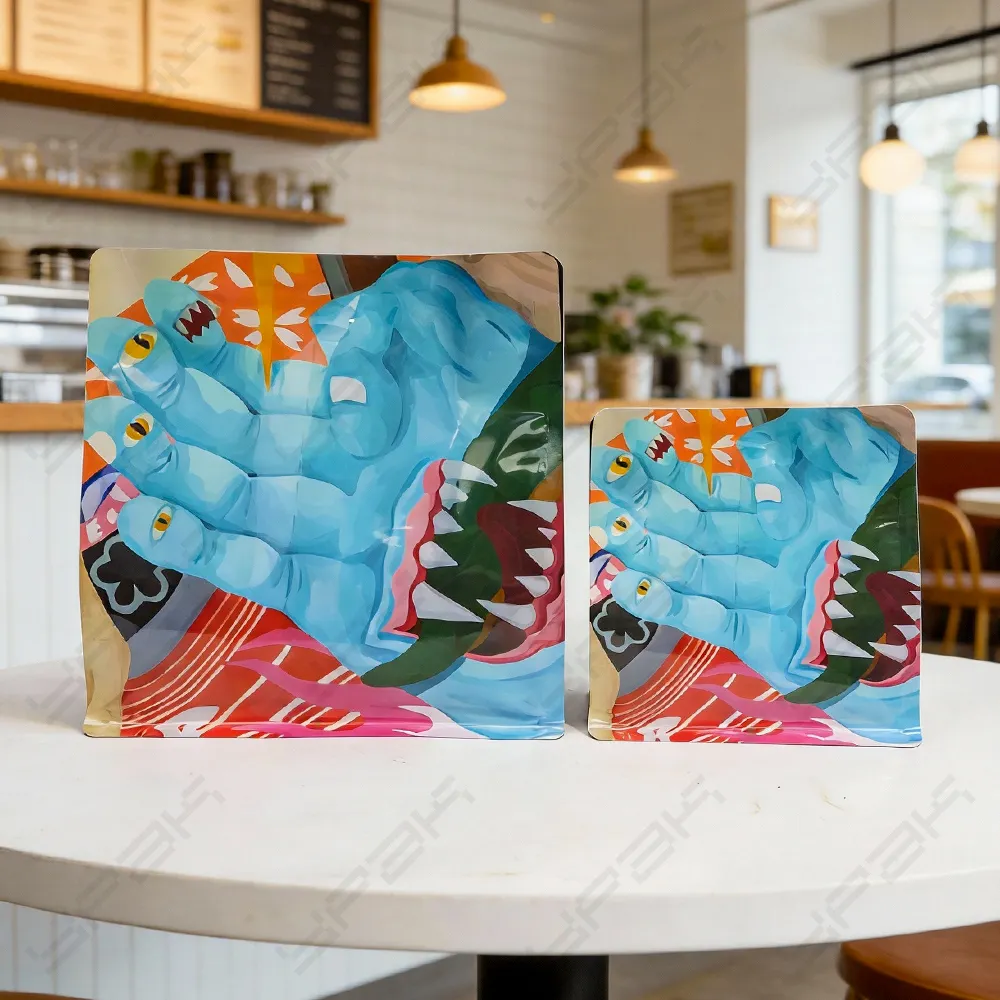
Flat-bottom bags for premium shelf presentation
-
Drip bag formats for single-serve convenience
-
Aroma-preserving barriers that extend freshness
Practical Implementation Guide
Starting Your Size Selection
-
Analyze Your Customer Base: Survey existing customers about their consumption habits and preferences
-
Test Multiple Formats: Begin with 2-3 sizes that cover different use cases
-
Consider Your Roasting Schedule: Match bag sizes to your production capacity and freshness requirements
-
Evaluate Logistics: Calculate shipping costs and storage requirements for each size option
Optimizing for Different Markets
-
North America: Lead with 340g/12 oz, supplement with 227g/8 oz for premium offerings
-
Europe: Standardize on 250g, offer 500g for value-conscious customers
-
Online Sales: Include sample packs (25g-50g) to encourage experimentation
-
Wholesale: Provide 1kg and 2.3kg options with simple, functional designs
Balancing Practicality and Presentation
For smaller sized bags, the design needs to be succinct and informative, whereas larger formats can provide more room for details like origin stories, tasting notes, and brewing tips. Whether big or small, make sure all bags contain these details: net weight, roast date, roast notes, and storage directions.
Conclusion: Size as Strategic Advantage
Coffee bag sizes aren't just physical dimensions; they're psychological, practical, and eco-considerations that shape the customer experience, streamline operations, and reduce environmental footprint. Knowing the industry standards, preferences in the region, and emerging trends, roasters can create an optimal size portfolio that will cater to a variety of customers and help to achieve business goals.
In the year 2025, the most successful brands will be the ones that think about packaging as a whole, and not just the size of the package. For micro-roasters just beginning their journey or established brands looking to grow, strategic decisions about size can boost customer satisfaction, bolster sustainability measures, and help propel your business forward in a fiercely competitive industry.
As always, pay attention to your client's needs and understand what makes the most sense for them, and ensure you are adding value to the coffee making process. With customer data and savvy packaging choices, you can design coffee bags that hold onto freshness and also convey your brand's message and foster long-term customer connections.