

Home /
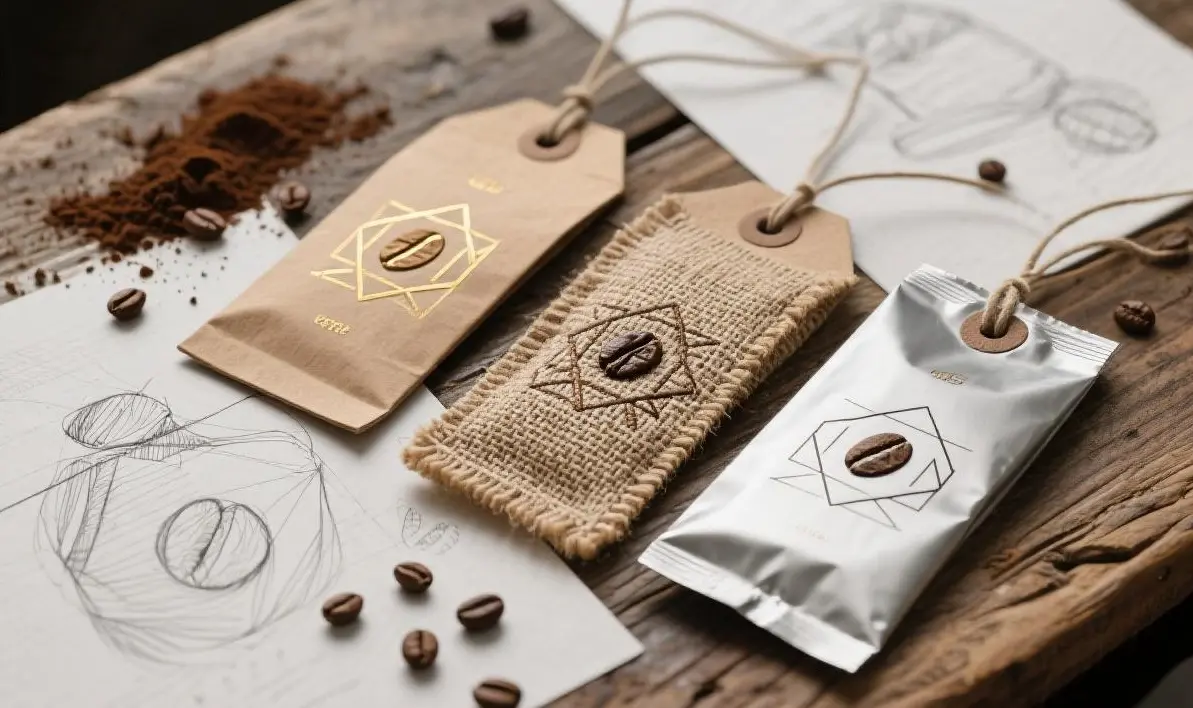
The Ultimate Guide to Coffee Bag Label Design & Printing
When you're dealing with specialty coffee, you've got just a few seconds to get a consumer to pay attention to your product on a busy shelf. For the coffee to make a great first impression, it's the roast that matters the most, but it's the coffee bag label design that does the work. A label is not just a sticker, it's a silent salesperson, the brand ambassador and a functional necessity all in one.
It doesn't matter if you're a small Mom and Pop roaster or a big coffee company, you know the need to understand the details of coffee packaging labels. From choosing the right materials to adding the functional components, creating the visual hierarchy that sells your brand, and much more, this comprehensive guide will walk you through everything you need to know.
1. The Psychology of First Impressions: Why Your Label Matters
Your customers will first see your packaging before smelling the rich aroma of your beans and before taking the first sip. Coffee is a visual product and when it comes to marketing coffee, your label serves as your first line of defense against obscurity.
The ideal coffee label does three things:
-
It grabs attention through compelling visuals and strategic use of color.
-
It communicates value by looking premium, rugged, or artisanal—whatever aligns with your brand identity.
-
It provides trust by offering clear, legible information about the product inside.
Investing time and resources into your custom coffee bag label design isn't just about looking good; it's about creating a tangible connection with your target audience.
2. Laying the Foundation: Choosing the Right Materials
Great labels all start with the label material. Coffee packages come in many shapes and forms, from flat bottomed to stand up pouches, and each type of package calls for a different type of label material for durability and appearance.
Quick facts of the best materials to use for different coffee packaging types:
|
Packaging Type
|
Recommended Material
|
Key Benefits
|
|---|---|---|
|
Flat-Bottom Bags
|
BOPP (Biaxially Oriented Polypropylene)
|
Excellent strength, moisture resistance, and flexibility. Ideal for heavy bags.
|
|
Stand-Up Pouches
|
Polyethylene (PE)
|
Highly flexible and conformable. Adapts well to the dynamic shape of pouches.
|
|
Coffee Bottles (Cold Brew)
|
Vinyl
|
Water-resistant and durable under cold, damp conditions (refrigeration).
|
Stand-Up Pouches vs. Flat-Bottom Bags
Stand-up pouches are dynamic and frequently have glossy surfaces. They need to rely on a good quality adhesive that will tolerate minimal expansion and contraction. Polyethylene (PE) is the standard in this case. However, a flat bottom bag is more straining because of its size and weight (usually for larger 12oz or 1lb bags). Now, BOPP is wonderful for such bags due to the resistance it offers to tearing and moisture, which means your label won't be damaged from the roastery to the customer's kitchen.
Don't Forget the Coffee Bottles
The popularity of cold brew and ready-to-drink coffees is growing. If you're going to go with bottled coffee, you need to make a change in your material approach. Labels must be able to take heavy condensation and refrigeration in bottles. Here, vinyl labels are the best option. They're extremely durable, waterproof, and will keep your branding crisp and professional, even if they get wet.
3. Form Meets Function: Integrating Practical Elements
If it is not useful for the product, a beautiful label is of no use. Coffee is a volatile organic product, giving off carbon dioxide (CO2) following roasting. This gas must be controlled otherwise the bag will burst or the beans become stale.
The Essential Degassing Valve
Usually, most coffee bags will have one-way degassing valve. This can help to keep the oxygen out while allowing CO2 to escape, maintaining the freshness and taste of the coffee. You need to take this valve into consideration when creating your label. The valve can be installed through a thick part of a label and interfere with the function of the valve at times. Consider using clear labels or custom-shaped die-cuts that seamlessly incorporate the valve into the design without compromising the visual message.
Resealable Closures
The theme is convenience for the consumer. Today there are many bags for your coffee that feature a zipper or velcro closure. The label design should make it easy to understand how to use the resealable option or it should be designed in such a way that the label itself does not block the resealable option. No matter how good the roast, a frustrated customer who can't open or reseal their coffee bag is not going to buy another.
4. Visual Hierarchy and Design Principles That Sell
Once you have the material and functional elements sorted, it's time to dive into the creative aspects of your coffee packaging labels.
Typography and Readability
The brand name should be the largest text on the label while the coffee blend or the origin (e.g., "Ethiopian Single Origin" or "Dark Espresso Roast") should be the next. Make sure the font you choose aligns with your brand's personality. For a small-batch artisanal roaster, a rustic and handwritten font would work best, whereas for a modern, urban coffee brand a sleek and bold sans-serif font would suite the brand better.
Color Psychology
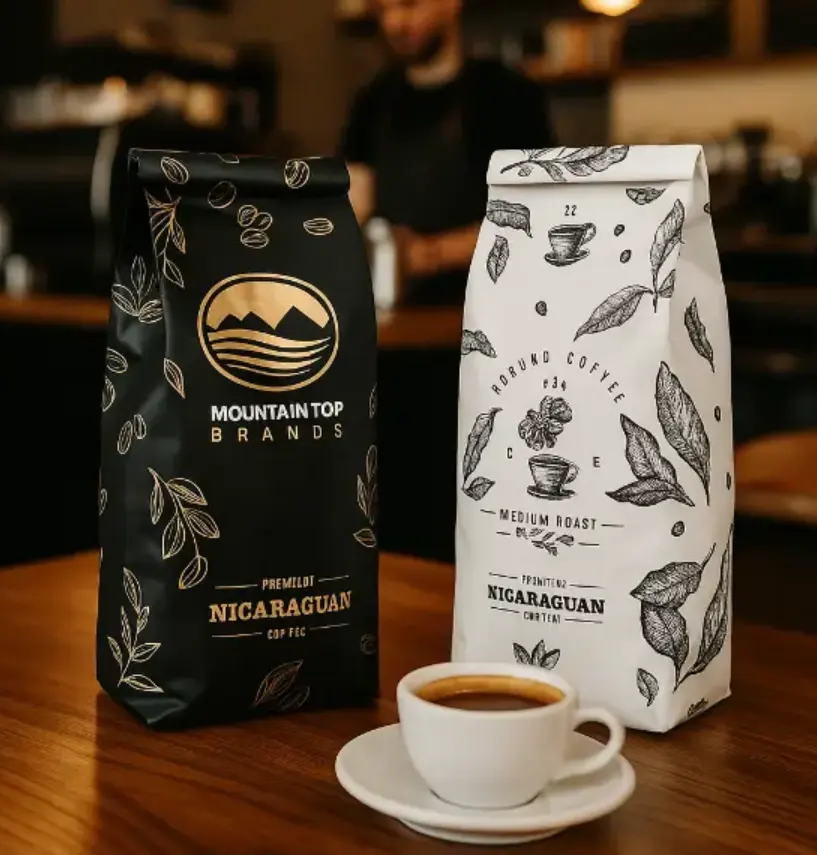
Colors evoke emotions. Brown and earthy colors hint at a classic, natural and robust taste. Black and gold are associated with luxury and premiumness. For an energising, edgy, high caffeine coffee, bright, neon colours may be appropriate. Make sure there is sufficient contrast between the text and the background color so that the information can be read at a glance.
Embellishments and Finishes
If you want your coffee to look truly premium on the shelf, consider adding special finishes to your labels.
-
Foil Stamping: Adds a metallic shimmer (gold, silver, or copper) that catches the light.
-
Raised Spot UV: Creates a glossy, tactile 3D effect on specific parts of the design.
-
Soft-Touch Lamination: Gives the label a velvety, smooth texture that feels luxurious to the touch.
These small details elevate the perceived value of your product and make it stand out from the sea of flat, matte labels.
5. Telling Your Story: The Heart of Your Brand
When consumers are concerned with where their products are made, your label is the ideal place to share your brand's story. Is your business a family company with history of decades? Are your beans from fair trade farmers in Guatemala? Does your coffee come from small-batch, locally roasted coffee?
Share these details with the use of the real estate on your label (or the back panel). Authenticity resonates with customers. If individuals have a personal stake in your brand's mission and values, they will be more likely to be loyal and repeat buyers.
Pro Tip: Incorporate a QR code on your label. This is a great opportunity to connect shoppers to your website so they can discover more about your efforts to be environmentally responsible, see videos of how you roast your coffee, or find roasting how-to videos. It connects the dots between the physical packaging and digital engagement.
While creativity is crucial, you must also comply with labeling regulations (such as those set by the FDA in the US). Missing mandatory information can lead to fines or having your product pulled from shelves.
Ensure your coffee bag label design includes:
-
Net Weight: The amount of coffee in the bag (e.g., 12 oz / 340 g).
-
Ingredients: Especially important if you sell flavored coffees.
-
Roast Date or Best By Date: Freshness is everything in coffee. Customers want to know when the beans were roasted.
-
Country of Origin: Where the beans were grown.
-
Roaster's Contact Information: Name and address of the manufacturer or distributor.
Make this information easy to find, typically on the back or bottom of the bag, and use a clean, highly readable font.
Conclusion: Brewing Success with the Perfect Label
Creating the ideal perfect coffee bag label is a fine art. This demands balancing beauty with material properties, incorporating essential working features such as zippers and valves, and conveying your brand's distinctive narrative without breaking the law.
When you pick the right materials (such as BOPP for packaging bags or Vinyl for bottles), design with function in mind, use the right typography and use authentic brand materials in your packaging, you're creating more than just a label. You make a life experience.
Keep in mind your coffee is a labor of love. Ensure your custom coffee label design accurately portrays your passion, quality, and craftsmanship in each roast. Once you get the design right, you are not selling a bag of beans; you're offering your customer a cup of joy in your world.